How a tiny rock on the Atlantic became a gateway to the New World
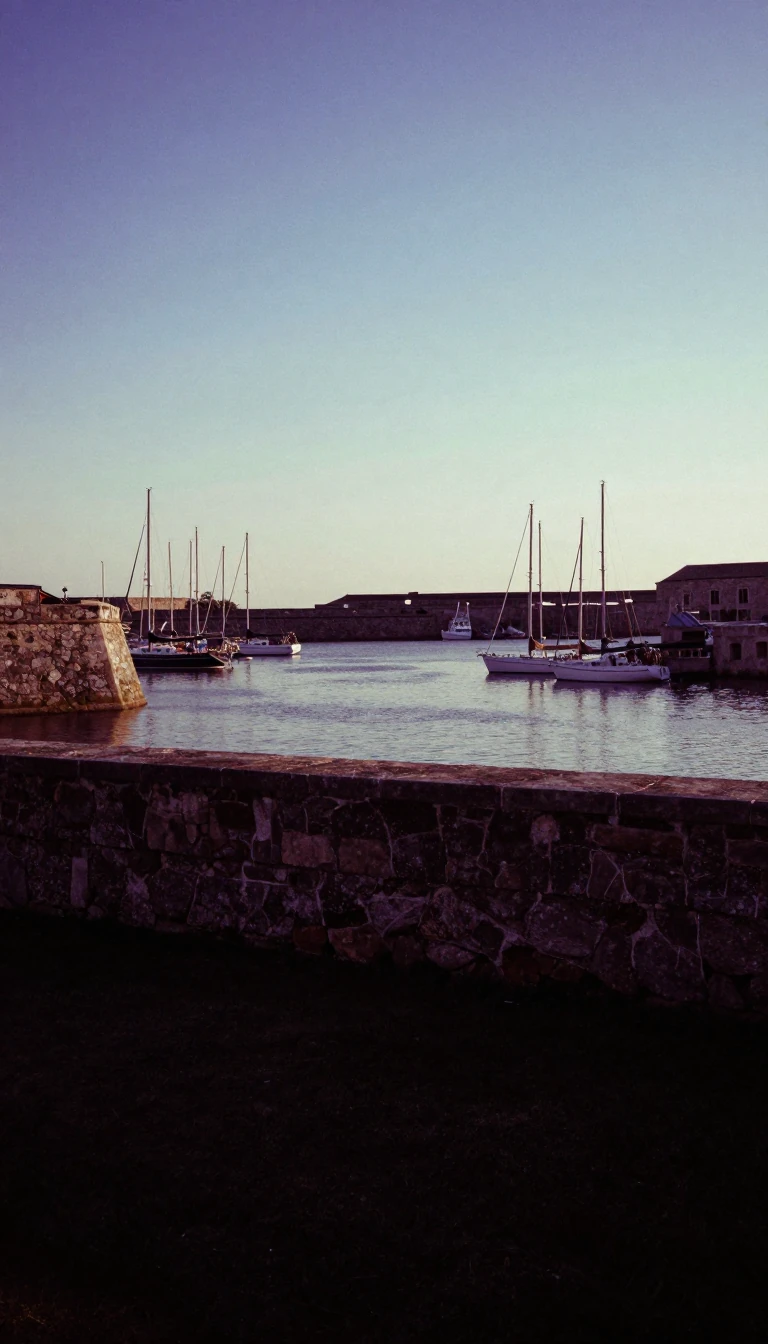
In short: La Rochelle began as a humble Gallo-Roman settlement, yet it evolved into a formidable maritime powerhouse. From serving as the Knights Templar's largest Atlantic base to becoming a defiant Huguenot republic, this French seaport has survived sieges, slave trade cycles, and world wars to remain a vital cultural hub.
First recorded in 961 as Rupella, meaning 'little rock,' La Rochelle’s strategic importance was cemented in 1130 when Duke Guillaume X of Aquitaine established it as a free port. By the 12th century, the city’s fortunes were tied to the English market, facilitated by the marriage of Eleanor of Aquitaine to Henry II. This era saw the city become a crucial hub for the Knights Templar, who used it as their primary Atlantic fleet station and a trade intermediary between England and the Mediterranean.
The city’s history is marked by intense religious and political friction. During the 16th century, it became a center for Protestantism, eventually declaring itself an independent Reformed Republic. This 'state within a state' status triggered repeated conflicts with the French crown, culminating in the devastating 14-month siege by Cardinal Richelieu between 1627 and 1628. The city’s later prosperity was built on the triangular trade, involving sugar, furs, and the slave trade, before the Napoleonic Wars and the abolition of slavery shifted its economic focus.
In the 20th century, La Rochelle’s geography made it a strategic target during the Second World War. Germany constructed a massive submarine base at La Pallice, which remains a haunting architectural relic today. The city held out as a German stronghold until May 1945, making it the final French city to be liberated. Today, the city balances its rich historical fabric—including medieval towers and 18th-century ceramics—with a modern tertiary economy, serving as a center for oceanography, film festivals, and political discourse.
Opens the Intellect+ feed with this card first. Swipe up for the next one.
Sources
- Summary by Intellect · source: La Rochelle
- Also: Wikidata — La Rochelle · CC0
- Also: Wikidata — La Rochelle · CC0
To cite this card, link to https://intellectplus.co.uk/app/places-la-rochelle.
How we source, check and correct cards: Editorial standards.
General information, not professional advice. Spotted an error? Flag the card or see corrections and complaints.
Intellect Plus is a visual educational discovery platform for exploring fascinating facts and ideas. Brain Food, Not Brain Rot. What is Intellect Plus?
Related
More in Countries and other regions · More in Countries & Cities · Latest · A–Z · All topics
