Africa's lowest point is a shimmering, hypersaline crater lake of white gold.
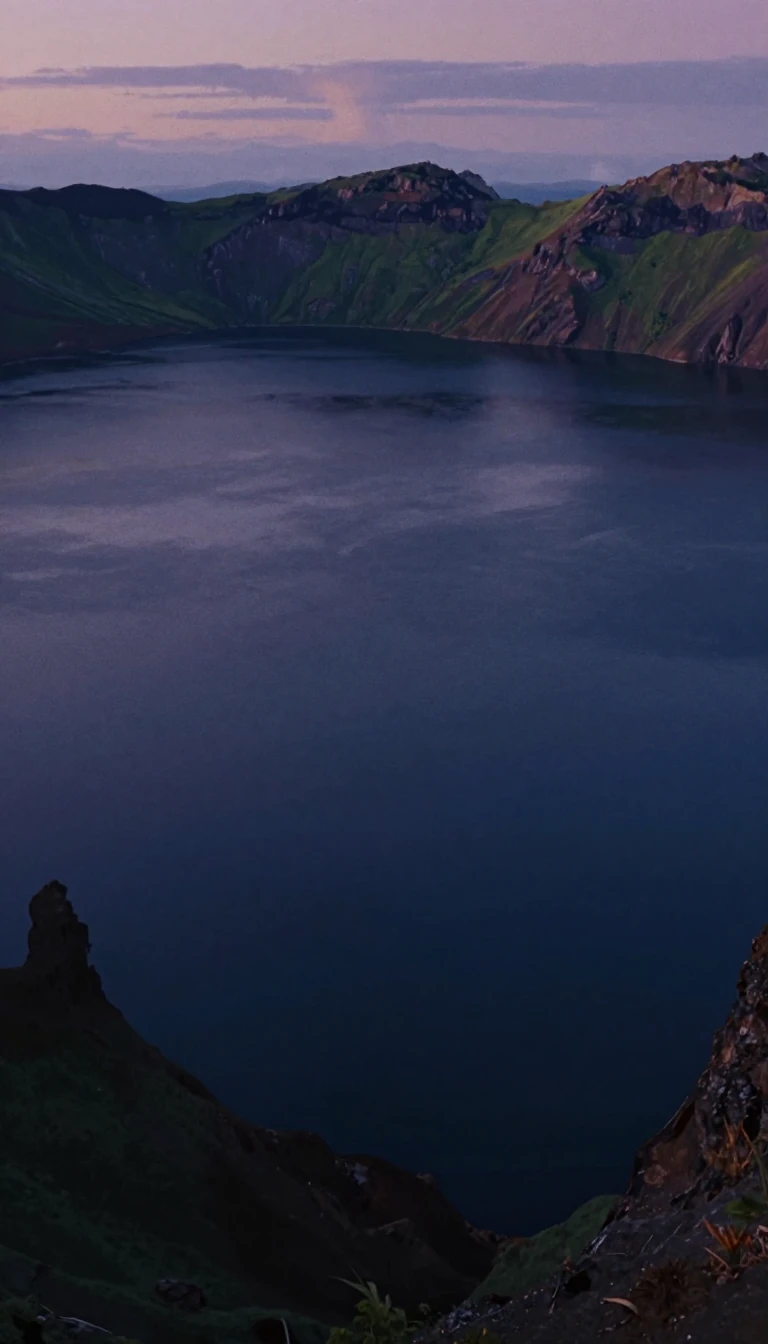
In short: Lying 155 meters below sea level in the Danakil Desert, Lake Assal is a geological marvel. This hypersaline crater lake, with salt concentrations far exceeding the Dead Sea, serves as a natural laboratory for understanding deep-sea brines and has fueled caravan trade and industrial salt mining for generations.
Located in central-western Djibouti at the top of the Great Rift Valley, Lake Assal sits in a closed depression 155 meters below sea level. It is the lowest point on the African continent and the third-lowest on Earth. The lake is fed primarily by subsurface geothermal springs linked to the Gulf of Tadjoura, with water flowing through a five-kilometer-long fissured channel in the surrounding volcanic basalt. Because there is no outflow, intense evaporation in the hot desert climate concentrates the salts, creating a hypersaline environment where surface concentrations reach 276.5 grams per liter, increasing to 398 grams per liter at 20 meters depth.
The lake is divided into two distinct zones: a white, crystallized salt plain on the northwest side and a high-saline brine area. This salt has been a source of wealth for centuries, historically bartered by Afar nomads for commodities like coffee, ivory, and sorghum. In the modern era, the salt has been dubbed white gold, with industrial production scaling up significantly since 2008. Today, the area is a focal point for both economic development and scientific research, as its unique chemistry provides an ideal experimental site for studying the evolution of deep-sea brines found at the bottom of the Red Sea.
Geologically, the lake is situated in an actively extending continental rift. The surrounding landscape is dominated by volcanic basalt formations dating back 3.4 to 1.0 million years, with the Ardoukôka volcano located just three kilometers away. While the lake supports no aquatic fauna, common bacteria thrive in its mineral-rich waters, and small minnow fish have been observed near the geothermal spring sources. The region remains a protected zone under Djibouti's environmental plans, with ongoing proposals to designate the lake and the nearby volcano as a UNESCO World Heritage Site.
Opens the Intellect+ feed with this card first. Swipe up for the next one.
Sources
- Summary by Intellect · source: Lake Assal (Djibouti)
To cite this card, link to https://intellectplus.co.uk/app/places-lake-assal-djibouti.
How we source, check and correct cards: Editorial standards.
General information, not professional advice. Spotted an error? Flag the card or see corrections and complaints.
Intellect Plus is a visual educational discovery platform for exploring fascinating facts and ideas. Brain Food, Not Brain Rot. What is Intellect Plus?
Related
More in Bodies of water · More in Countries & Cities · Latest · A–Z · All topics
