Lalitpur: The Ancient City of Artisans Built on a Dried-Up Lake Bed
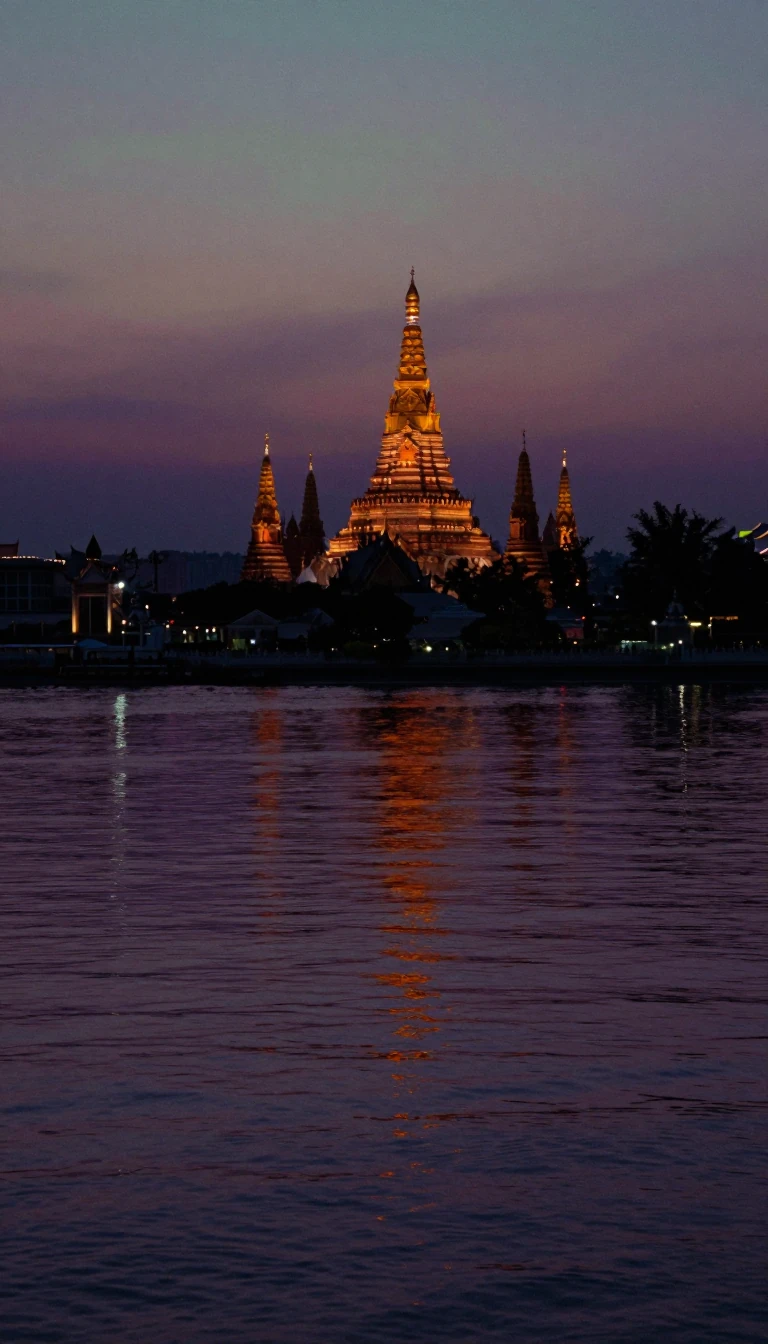
In short: Known locally as Yala, Lalitpur is a historic Nepalese metropolis defined by its deep-rooted artisanal heritage. From its ancient Buddhist stupas to its exquisite Malla-era architecture, the city has survived centuries of political upheaval, maintaining its identity as a premier center for metalwork and wood carving in the Kathmandu Valley.
Lalitpur, situated on the south side of the Bagmati River, sits upon the central bed of an ancient dried lake known as the Nagdaha. While local legends suggest a much older origin, historical records often credit King Varadeva with founding the city in the third century CE. By the time of the Licchavi period, between 400 and 750 CE, it had already established itself as a vital hub for urban culture, trade, and religion. Its enduring Buddhist character is marked by four cardinal stupas, which tradition attributes to the Mauryan Emperor Ashoka during his visit around 249 BCE.
The city reached its architectural zenith under the Malla kings between the 12th and 18th centuries. This era transformed Lalitpur into a masterpiece of Newar planning, resulting in the iconic Patan Durbar Square. The site, now a UNESCO World Heritage zone, features intricate structures like the Krishna Mandir and the Golden Temple. This period fostered a unique religious syncretism, where Hindu and Buddhist traditions merged seamlessly in rituals and iconography. Even as the city faced political shifts—including the 1768 annexation by Prithvi Narayan Shah—its artisans continued to refine their crafts, exporting metalwork and sculptures across Asia.
Today, Lalitpur functions as a metropolitan city of nearly 300,000 people, serving as a critical economic and educational center. While it remains less urbanized than its neighbor Kathmandu, it hosts major institutions like the Patan Academy of Health Sciences and the Pulchowk Engineering Campus. Despite the 2015 earthquake that caused significant damage to its historic squares, the city preserves its legacy through its workshops and traditional craft families. It remains a vibrant, multi-ethnic space where the ancient, the artisanal, and the modern coexist within its 29 municipal wards.
Opens the Intellect+ feed with this card first. Swipe up for the next one.
Sources
- Summary by Intellect · source: Lalitpur, Nepal
- Also: Wikidata — Lalitpur · CC0
- Also: www.britannica.com — Lalitpur | Nepal, History, Map, Agriculture, Population, & Facts | Britannica
To cite this card, link to https://intellectplus.co.uk/app/places-lalitpur-nepal.
How we source, check and correct cards: Editorial standards.
General information, not professional advice. Spotted an error? Flag the card or see corrections and complaints.
Intellect Plus is a visual educational discovery platform for exploring fascinating facts and ideas. Brain Food, Not Brain Rot. What is Intellect Plus?
Related
More in Asia · More in Countries & Cities · Latest · A–Z · All topics
