From Ancient Rashtrakuta Capital to India's Modern Soybean Trading Powerhouse
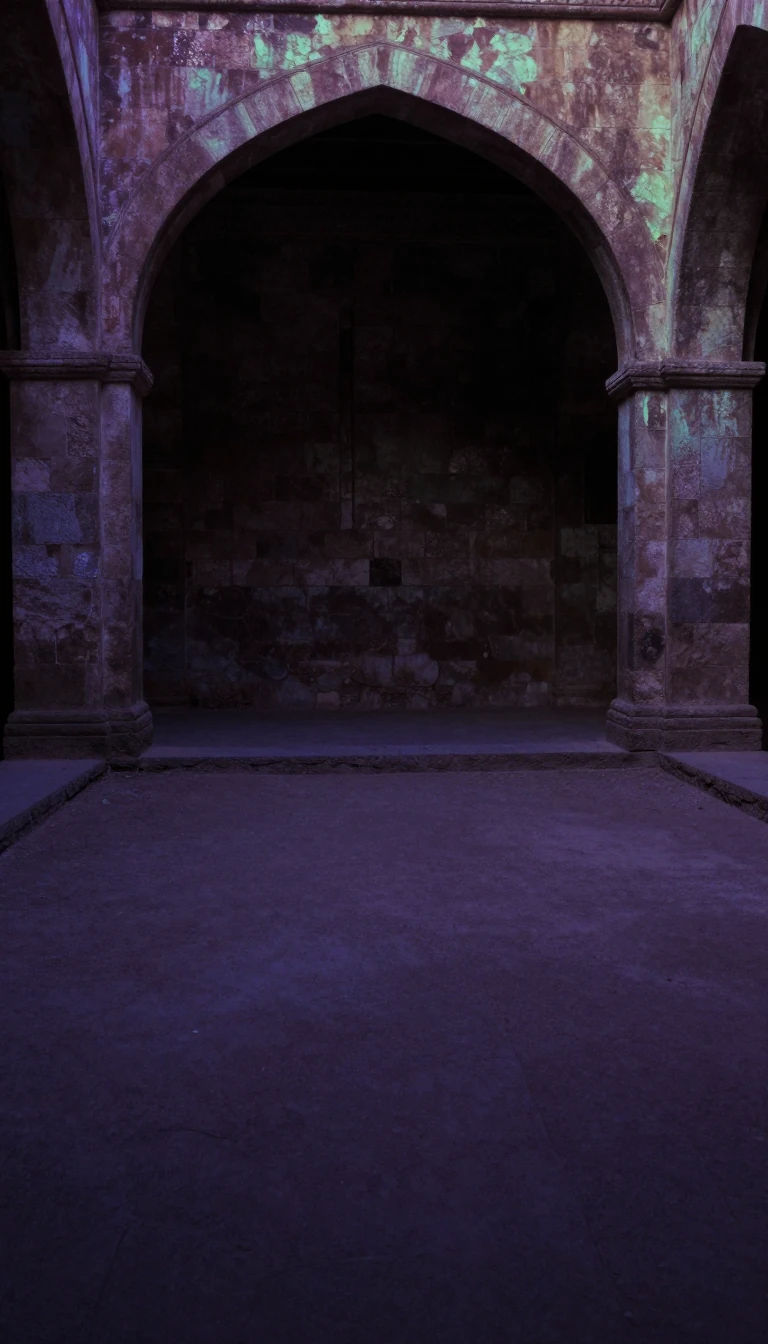
In short: Once the seat of the Rashtrakuta dynasty, Latur has transformed from an ancient historical hub into a modern educational and agricultural center. Known for its rigorous Latur Pattern of study and as the nation's largest soybean trading hub, this Maharashtra city balances deep historical roots with contemporary economic and academic ambition.
Latur, historically known as Lattaluru or Ratnapur, boasts a heritage stretching back to the Rashtrakuta period. Between 753 and 973 AD, it served as a vital base for a branch of the Rashtrakutas, who ruled the Deccan region. The city's historical significance is etched into its landscape, including the 12th-century inscriptions of King Someshvara III found at the Papvinashak Temple, which describe a thriving center populated by 500 scholars. Over centuries, the city passed through the hands of various powers, including the Satavahanas, the Yadavas, the Delhi Sultans, and the Mughals, before eventually becoming part of the Princely state of Hyderabad in the 19th century.
The modern identity of Latur is defined by its evolution into an educational and agricultural powerhouse. The city is famous for the Latur Pattern, an intensive coaching methodology that has helped students excel in competitive medical and engineering entrance examinations. This academic reputation is supported by over 140 colleges, including specialized institutions like the M.S. Bidve Engineering College, founded in 1983, and the Maharashtra Institute of Medical Science & Research. Economically, the region is a critical player in India's agricultural sector, serving as the country's largest trading center for soybeans and a key component of Maharashtra's sugar belt, hosting more than eleven sugar factories.
Despite its growth, Latur has faced significant challenges, most notably the devastating 6.3 magnitude earthquake on 30 September 1993. The shallow focus of the tremor caused widespread destruction and approximately 10,000 deaths, prompting a national overhaul of building codes and seismic zone classifications. Today, the city continues to navigate environmental pressures, including water scarcity and the impacts of climate change, while managing its development through the Latur Municipal Corporation. With a population of 382,940 as of the 2011 census, Latur remains a resilient urban center, blending its ancient legacy with the demands of a rapidly evolving Indian economy.
Opens the Intellect+ feed with this card first. Swipe up for the next one.
Sources
- Summary by Intellect · source: Latur
- Also: Wikidata — Latur · CC0
To cite this card, link to https://intellectplus.co.uk/app/places-latur.
How we source, check and correct cards: Editorial standards.
General information, not professional advice. Spotted an error? Flag the card or see corrections and complaints.
Intellect Plus is a visual educational discovery platform for exploring fascinating facts and ideas. Brain Food, Not Brain Rot. What is Intellect Plus?
Related
More in Asia · More in Countries & Cities · Latest · A–Z · All topics
