Amravati: A Strategic Gateway Between Ancient Empires and Modern Maharashtra Commerce
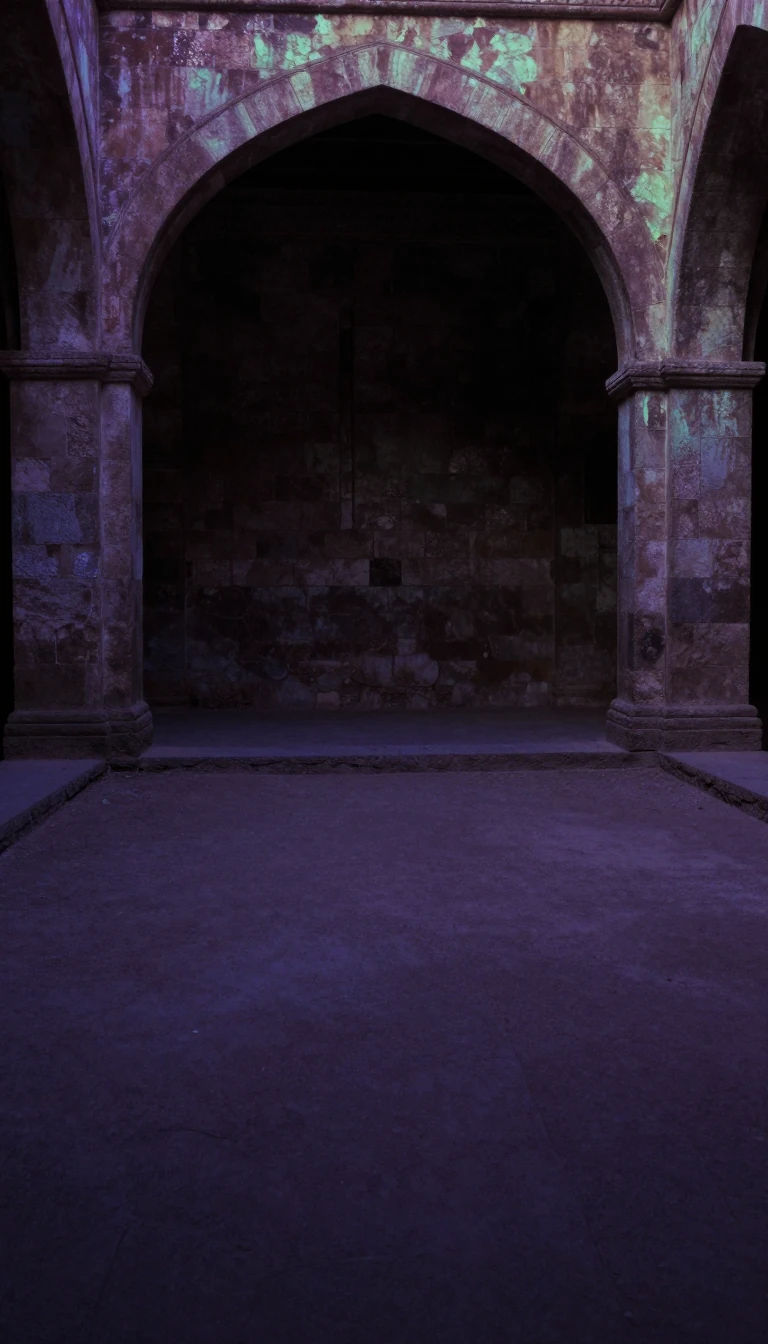
In short: Nestled near vital hill passes between the Purna and Wardha river basins, Amravati has served as a critical trade and administrative hub for centuries. From its roots as a regional center in the ancient Deccan to its current status as a major municipal corporation, the city remains a crossroads of history.
Located in the Vidarbha region of Maharashtra, Amravati occupies a strategic position about 85 miles west of Nagpur. The city sits near essential passes through hills that divide the cotton-growing lands of the Purna River basin to the west and the Wardha River basin to the east. Historically, the area is tied to the legacy of the Satavahanas, the first Deccanese dynasty to establish a vast empire in the southern region, or daksinapatha. While some scholars trace the family to the 3rd century bce, Puranic evidence suggests their ascendancy began late in the 1st century bce.
The Satavahana era marked the beginning of the historical period in the Deccan, characterized by an extensive currency system and flourishing Indo-Roman trade. This economic prosperity fueled liberal patronage of Buddhist and Brahmanical communities. However, the region also saw intense conflict, notably between the Satavahanas and the western Kshatrapas. Following the decline of the Satavahana empire, which was complete by the early 4th century, the region transitioned through various local powers, including the Vakatakas, before eventually coming under the influence of later dynasties like the Yadavs and the Bhosle family in the 18th century.
Modern Amravati has evolved significantly from its ancient origins. Once known as Udumbravati, the city is home to the historic Ambadevi temple, from which it is claimed to derive its name. By the 21st century, it had become the second-largest city in the Vidarbha region, serving as the administrative headquarters for both the district and the division. With a population exceeding 646,000 as of 2011, the city reflects a diverse cultural landscape where Hinduism, Islam, and Buddhism coexist. Today, it functions as a key node in Maharashtra’s infrastructure, connected by national highways and a railway terminus, while maintaining its role as a center for regional trade and governance.
Opens the Intellect+ feed with this card first. Swipe up for the next one.
Sources
- Summary by Intellect · source: Amravati | Temple City, Buddhist Site, Trade Hub | Britannica
- Also: Amravati
To cite this card, link to https://intellectplus.co.uk/app/places-amravati.
How we source, check and correct cards: Editorial standards.
General information, not professional advice. Spotted an error? Flag the card or see corrections and complaints.
Intellect Plus is a visual educational discovery platform for exploring fascinating facts and ideas. Brain Food, Not Brain Rot. What is Intellect Plus?
Related
More in Asia · More in Countries & Cities · Latest · A–Z · All topics
