A remote volcanic outpost in the Indian Ocean is fighting to reclaim its past.
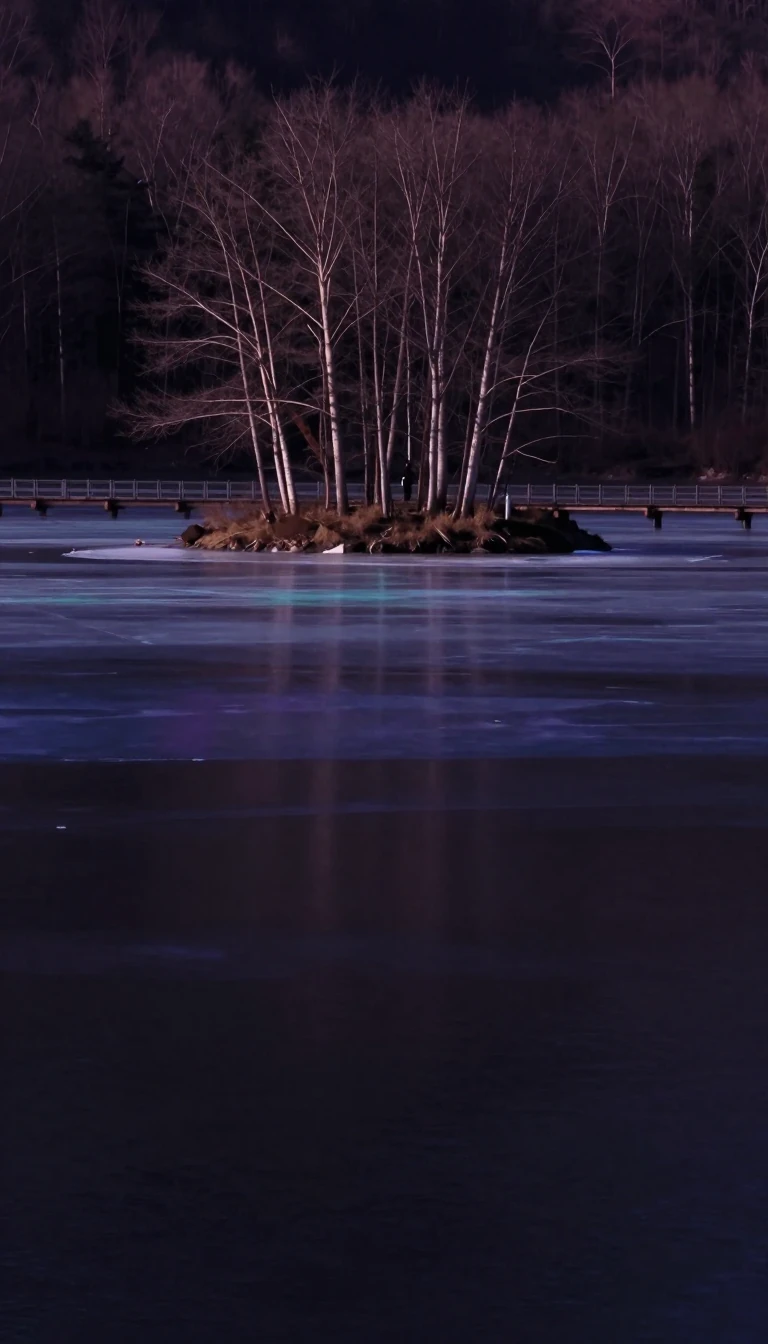
In short: Equidistant from Madagascar, Australia, and Antarctica, Île Amsterdam is a lonely, wind-swept volcanic island. Once decimated by invasive cattle and forest fires, this French territory is now the site of an ambitious ecological restoration, proving that even the most isolated ecosystems can recover when human interference is finally reversed.
Located in the southern Indian Ocean, Île Amsterdam is a 56.6 square kilometre volcanic island that serves as the northernmost point of the Antarctic Plate. Its rugged landscape, dominated by the 867-metre Mont de la Dives, features a central plateau known as the Plateau des Tourbières. Despite its remote location, the island has a long history of human interaction, beginning with its sighting by Juan Sebastián Elcano in 1522. For centuries, it served as a stopover for sealers and explorers, though early attempts at permanent settlement—such as the 1871 venture by a resident of Réunion—consistently failed.
The island’s ecology suffered significantly due to human activity. In 1825, fires set by sealers destroyed much of the native Phylica arborea forest, while the introduction of cattle in 1871 led to widespread habitat degradation. By the 1980s, the cattle population had swelled to an estimated 2,000, severely impacting the island's lowlands. Conservation efforts eventually turned the tide: cattle were eradicated between 2008 and 2010, and thousands of native trees were planted. These interventions allowed the endemic Amsterdam albatross to rebound from just five breeding pairs in 1983 to 80 pairs by 2025.
Today, the island hosts the Martin-de-Viviès research station, where scientists study meteorology and biology. However, the environment remains fragile. Invasive rodents and feral cats have historically threatened native seabirds, prompting an intensive eradication campaign that began in 2020. Recent challenges include a wildfire in early 2025 that forced the evacuation of all 31 residents and damaged critical infrastructure. Despite these setbacks, the island remains a vital site for understanding volcanic activity and island biogeography, with its unique geology shaped by mantle plume activity and its proximity to the Southeast Indian Ridge.
Opens the Intellect+ feed with this card first. Swipe up for the next one.
Sources
- Summary by Intellect · source: Île Amsterdam
- Also: Wikidata — Île Amsterdam · CC0
To cite this card, link to https://intellectplus.co.uk/app/places-le-amsterdam.
How we source, check and correct cards: Editorial standards.
General information, not professional advice. Spotted an error? Flag the card or see corrections and complaints.
Intellect Plus is a visual educational discovery platform for exploring fascinating facts and ideas. Brain Food, Not Brain Rot. What is Intellect Plus?
Related
More in Islands · More in Countries & Cities · Latest · A–Z · All topics
