How a North London junction transformed from rural farmland into a cultural urban village
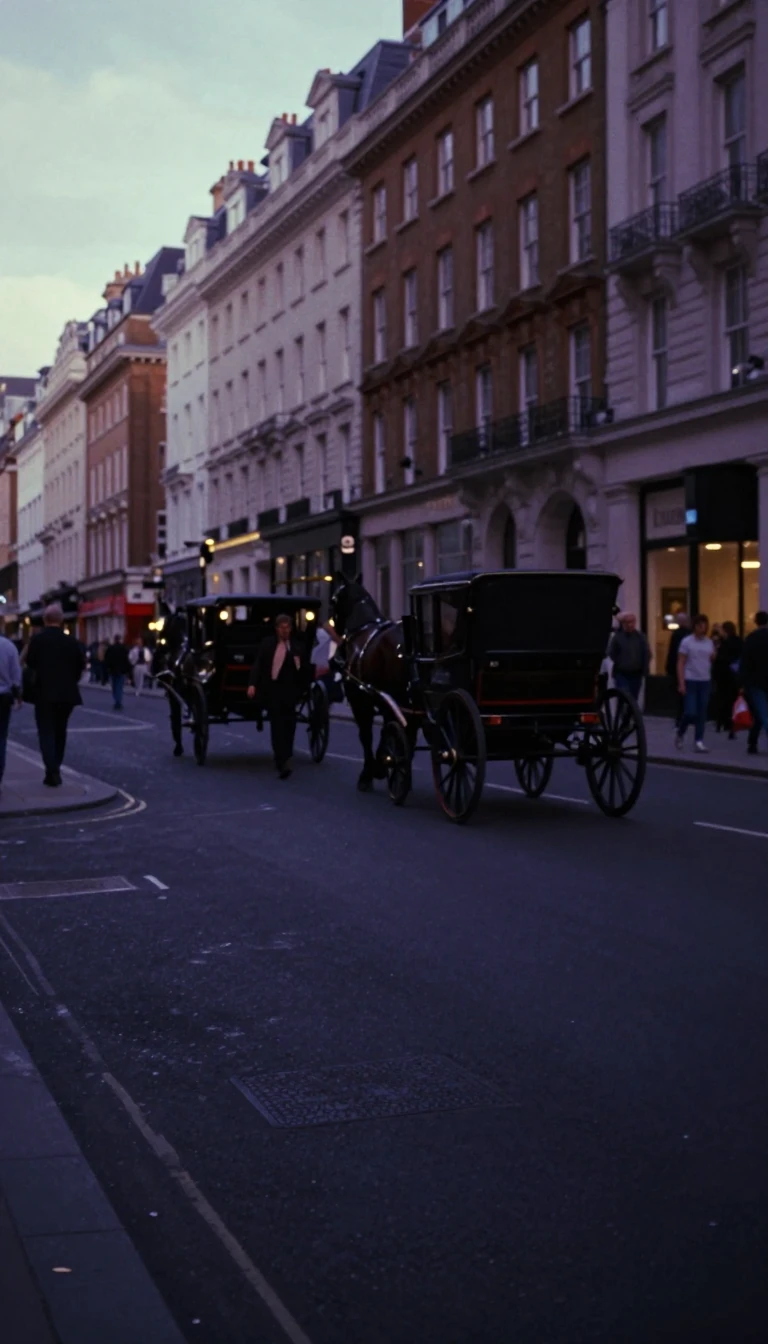
In short: Crouch End began as a modest settlement clustered around a wooden cross at a four-road junction. Once a rural refuge for wealthy merchants, it evolved through railway expansion and student-led activism into a distinct urban village. Today, it balances historic landmarks with a vibrant, modern identity shaped by its community.
The name Crouch End, derived from Middle English, reflects its origins as an outlying area near a cross. By the late eighteenth century, the district attracted affluent merchants escaping the City of London, though it maintained a rural character until the arrival of the railway around 1880. This infrastructure boom sparked rapid development, replacing grand villas with middle-class housing and a bustling retail scene. Following the Second World War, the area underwent another shift; as older housing stock was repurposed, it became a hub for students from the local art college, earning a reputation as a bedsit district before rising property values drew in a wealthier demographic.
Crouch End’s cultural legacy is anchored by the Hornsey Town Hall, a modernist landmark completed in 1935. Once a seat of local government, the building has hosted legendary acts like Queen and The Kinks and served as a filming location for productions like The Crown. After extensive renovations, it reopened in 2025 as a contemporary arts centre and hotel. Nearby, the red-brick Clock Tower, erected in 1895 to honor local official Henry Reader Williams, remains a beloved icon, symbolizing the area's long-standing commitment to preserving its local green spaces and heritage.
The area’s intellectual spirit was famously tested in May 1968, when students at the Hornsey College of Art occupied their campus to protest the prevailing ideology of British art education. This radical movement, which linked with similar uprisings in Paris, led to the dismissal of several staff and students. Today, the site of that former college has been converted to serve the community, housing Coleridge Primary School. Meanwhile, institutions like the Hornsey Library continue to foster local engagement, hosting literary festivals and maintaining one of the country’s largest collections of music sets, ensuring the area remains a center for creative and civic life.
Opens the Intellect+ feed with this card first. Swipe up for the next one.
Sources
- Summary by Intellect · source: Crouch End
To cite this card, link to https://intellectplus.co.uk/app/culture-crouch-end.
How we source, check and correct cards: Editorial standards.
General information, not professional advice. Spotted an error? Flag the card or see corrections and complaints.
Intellect Plus is a visual educational discovery platform for exploring fascinating facts and ideas. Brain Food, Not Brain Rot. What is Intellect Plus?
Related
More in UK & Irish culture · More in Cultures · Latest · A–Z · All topics
