How the London Borough of Wandsworth balances historic identity with modern urban growth
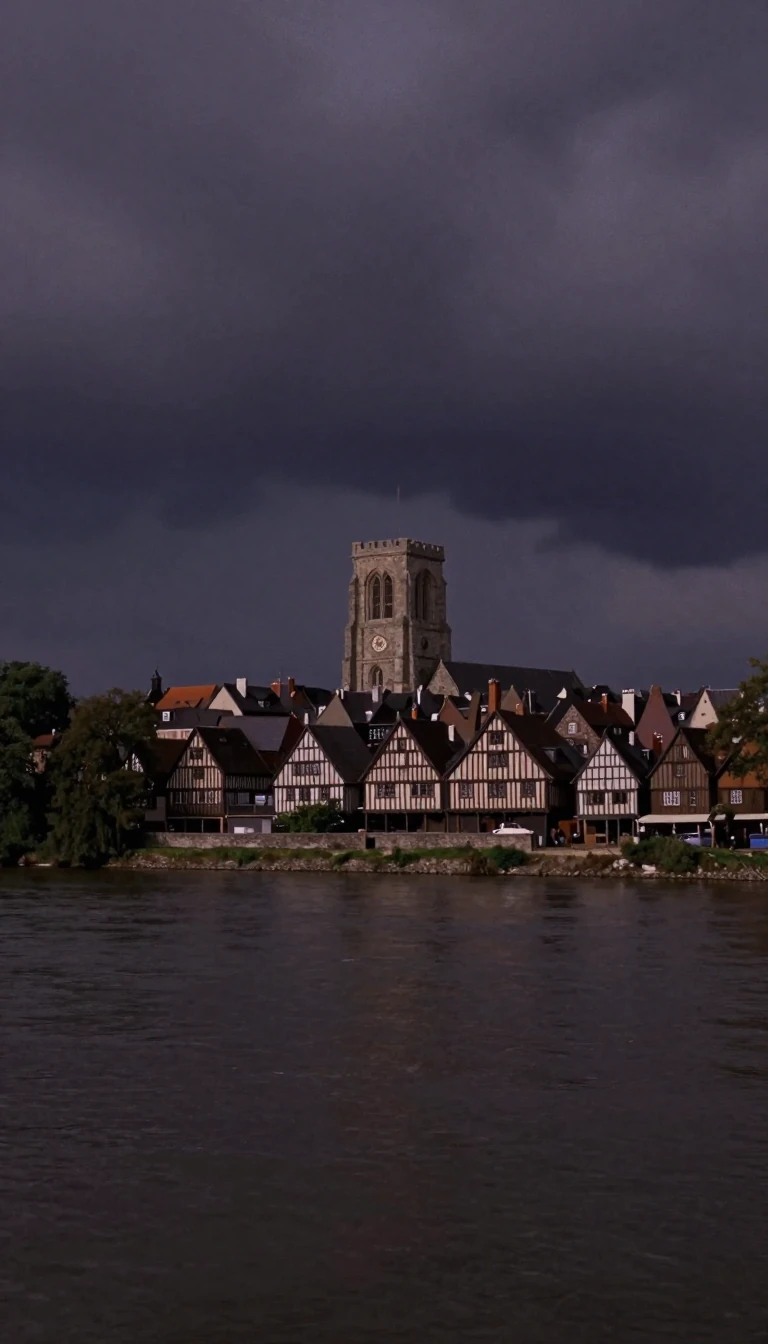
In short: Wandsworth is a South West London borough defined by its unique history, ranging from Huguenot refugees to the industrial legacy of Battersea. Today, it stands out for its economic vitality, boasting the lowest unemployment rate in London while maintaining a complex network of transport, green spaces, and diverse educational institutions.
The modern London Borough of Wandsworth was established in 1965 under the London Government Act 1963. Its roots, however, run much deeper, tracing back to the historic county of Surrey. Before the current administrative structure, the area was governed by various parish vestries and district boards under the Metropolitan Board of Works, which was created in 1856. By 1900, these were reorganized into metropolitan boroughs, eventually leading to the current borough, which encompasses communities like Battersea, Balham, Putney, and Tooting.
The borough’s character is reflected in its official armorial bearings, which blend symbols from the former Metropolitan Boroughs of Battersea and Wandsworth. The shield features a chequered fess representing William de Warren, the first Earl of Surrey, with gold squares bearing teardrops that commemorate the French Huguenots who settled in the area starting in 1685. Other elements, such as a ship and specific animals like the black dragon, symbolize the four original parishes and the borough's connection to London’s broader history.
Economically and socially, Wandsworth is notable for its performance. A 2017 study by the Trust for London and the New Policy Institute identified it as having the lowest unemployment rate of any London borough, alongside the second-lowest rate of low-paid employees. The borough is also a hub for education, hosting institutions like the Roehampton University-affiliated Whitelands College, which moved to the area in 1930/1931, and a variety of academies and schools including Emanuel and Graveney.
Infrastructure plays a critical role in the borough's function, from the busy Clapham Junction railway station to extensive cycling networks like Cycle Superhighway 7 and 8. The borough also manages significant green spaces, including Tooting Commons, which are patrolled by the Wandsworth Parks and Events Police. With a 2021 population of 327,506, Wandsworth remains a dense, interconnected part of Inner London that continues to evolve while preserving its distinct architectural and cultural heritage.
Opens the Intellect+ feed with this card first. Swipe up for the next one.
Sources
- Summary by Intellect · source: London Borough of Wandsworth
To cite this card, link to https://intellectplus.co.uk/app/society-london-borough-of-wandsworth.
How we source, check and correct cards: Editorial standards.
General information, not professional advice. Spotted an error? Flag the card or see corrections and complaints.
Intellect Plus is a visual educational discovery platform for exploring fascinating facts and ideas. Brain Food, Not Brain Rot. What is Intellect Plus?
Related
More in Education · More in Society · Latest · A–Z · All topics
