A Gothic Masterpiece Built on the Ethical Foundations of Medieval Mediterranean Commerce
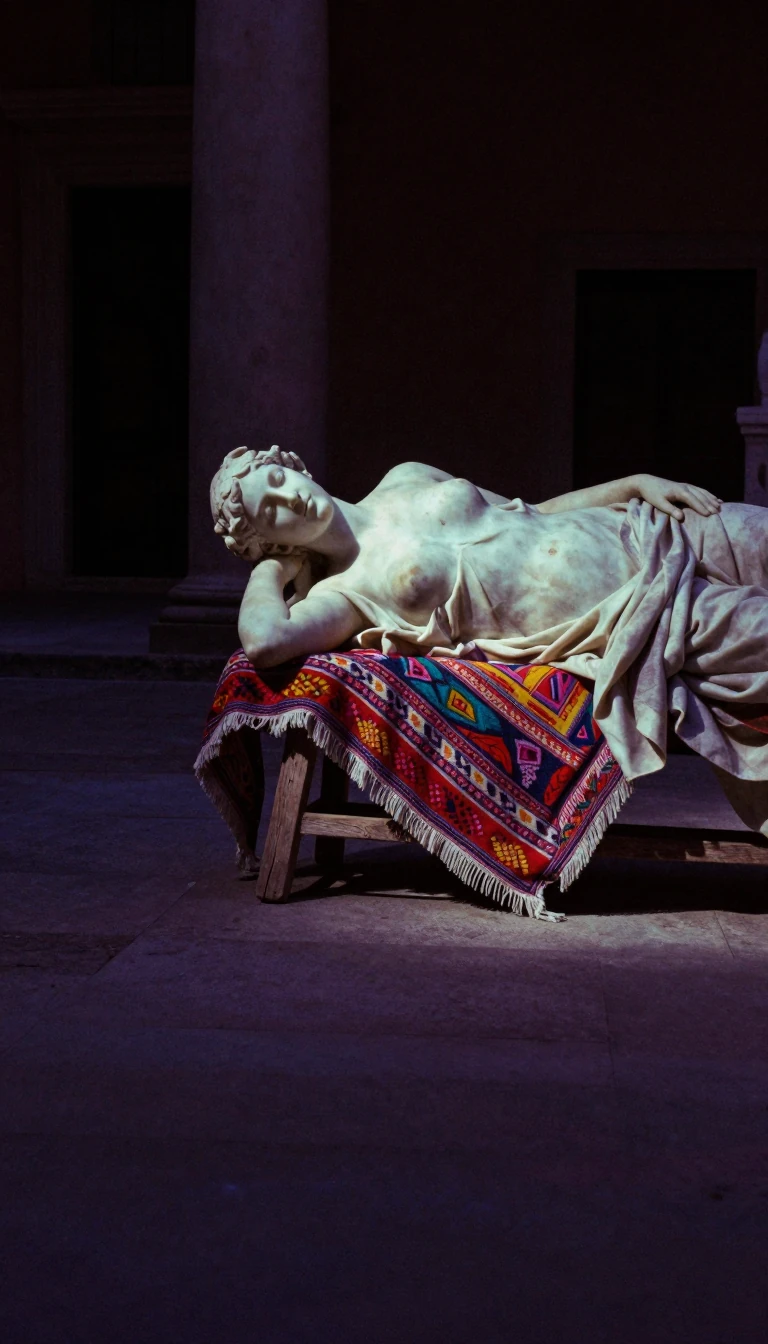
In short: Constructed between 1482 and 1533, the Lonja de la Seda in Valencia stands as a testament to a city at the height of its mercantile power. Beyond its stunning twisted columns and late Gothic architecture lies a unique historical experiment: a financial center built upon the explicit integration of ethics and economics.
The Lonja de la Seda, or Silk Exchange, emerged during the 15th century as Valencia reached its commercial zenith. Its design was inspired by the Lonja of Palma de Majorca, which had been completed by architect Guillem Sagrera in 1448. The primary architect for the new Valencian structure, Pere Compte, completed the iconic Sala de Contractació—the Trading Hall—in just fifteen years, between 1483 and 1498. This hall served as the heart of the city's financial activity, where merchants negotiated contracts amidst lavish decorations.
A striking feature of the Trading Hall is the blue band inscribed with golden letters that wraps around all four walls. The Latin text serves as a moral manifesto for the merchant class, declaring that honest trade—free from deceit and usury—leads to both material wealth and eternal life. According to scholar Joan Francesc Mira, this inscription demonstrates that the integration of ethical principles into economic life was a local priority, proving that one did not need to be a foreigner or a Protestant to engage in fair and virtuous commerce.
The complex is composed of three distinct parts: the Trading Hall, the Pavilion of the Consulate, and a central tower. The Pavilion housed the Consolat del Mar, the first marine merchant tribunal in Spain, while the tower occasionally served as a prison for merchants who failed to settle their debts. UNESCO designated the site a World Heritage Site in 1996, recognizing it as an exceptional example of secular late Gothic architecture that captures the immense wealth and influence of a major Mediterranean mercantile city. Even today, the building remains a powerful symbol of the historical intersection between civic pride, architectural ambition, and the pursuit of commercial integrity.
Opens the Intellect+ feed with this card first. Swipe up for the next one.
Sources
- Summary by Intellect · source: Lonja de la Seda
- Also: Wikidata — Lonja de la Seda · CC0
To cite this card, link to https://intellectplus.co.uk/app/places-lonja-de-la-seda.
How we source, check and correct cards: Editorial standards.
General information, not professional advice. Spotted an error? Flag the card or see corrections and complaints.
Intellect Plus is a visual educational discovery platform for exploring fascinating facts and ideas. Brain Food, Not Brain Rot. What is Intellect Plus?
Related
More in World Heritage Sites · More in Countries & Cities · Latest · A–Z · All topics
