Deep in the Patagonian Andes stands a forest of ancient, towering, living giants
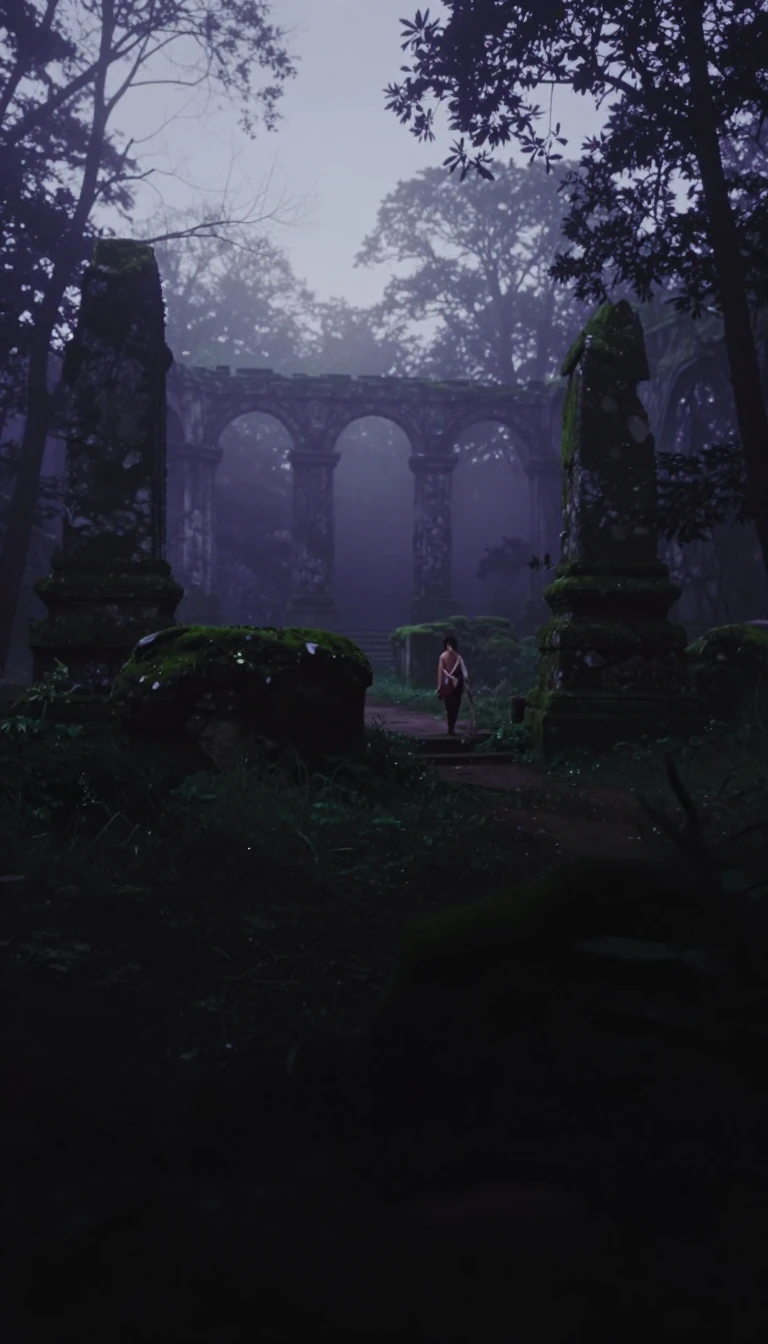
In short: Los Alerces National Park protects some of the world's oldest trees, the alerce. These slow-growing, endangered conifers can live for over 3,600 years. Nestled against the Chilean border, this pristine landscape of glacial lakes and temperate rainforests offers a rare glimpse into a continuous, ancient Patagonian ecosystem.
Established in 1937, Los Alerces National Park spans over 187,000 hectares in Argentina's Chubut Province, with an additional 71,000 hectares designated as a national reserve. The park's dramatic topography, shaped by successive glaciations, ranges from the 2,440-meter peak of Cordon de las Pirámides down to 330 meters where the Futaleufú River flows toward Chile. This verticality creates a diverse environment, transitioning from dense Valdivian temperate rain forests at lower elevations to alpine meadows and snowfields above the 1,400-meter tree line.
The park's namesake, the alerce tree, is a member of the cypress family and is known to the Mapuche people as lahuán. These trees are among the longest-living species on Earth, with some individuals reaching ages exceeding 3,600 years. While the largest known alerce in Argentina stands 57 meters tall at Puerto Sagrario, researchers believe even larger specimens remain hidden in restricted areas of the park. These virgin forests, covering over 7,400 hectares, serve as a vital sanctuary for the species, which has historically faced significant pressure from lumber exploitation.
The park's climate is heavily influenced by moisture-laden clouds from the Pacific Ocean, which drop up to 3,000 millimeters of precipitation annually near the border. This creates a sharp gradient; as one moves east, the landscape enters a rain shadow where precipitation drops to roughly 800 millimeters. This moisture sustains a complex network of lakes, including Rivadavia, Futalaufquen, and the artificial Amutui Quimey Reservoir, which supports hydroelectric infrastructure. Designated a World Heritage Site in 2017, the park remains a critical refuge for endemic flora and fauna, maintaining a state of conservation that is nearly pristine.
Managing this vast area involves balancing tourism with preservation. While the park is a popular destination for fishing, walking, and boat tours—particularly to view the Torrecillas glacier—most development is confined to the national reserve. A 10-kilometer-wide buffer zone surrounds the park's non-border edges, helping to shield this ancient forest from external encroachment and ensuring the survival of its unique, slow-growing inhabitants.
Opens the Intellect+ feed with this card first. Swipe up for the next one.
Sources
- Summary by Intellect · source: Los Alerces National Park
- Also: Wikidata — Los Alerces National Park · CC0
To cite this card, link to https://intellectplus.co.uk/app/places-los-alerces-national-park.
How we source, check and correct cards: Editorial standards.
General information, not professional advice. Spotted an error? Flag the card or see corrections and complaints.
Intellect Plus is a visual educational discovery platform for exploring fascinating facts and ideas. Brain Food, Not Brain Rot. What is Intellect Plus?
Related
More in World Heritage Sites · More in Countries & Cities · Latest · A–Z · All topics
