Once the world's most coveted spice hub, Maluku remains a complex, volcanic archipelago.
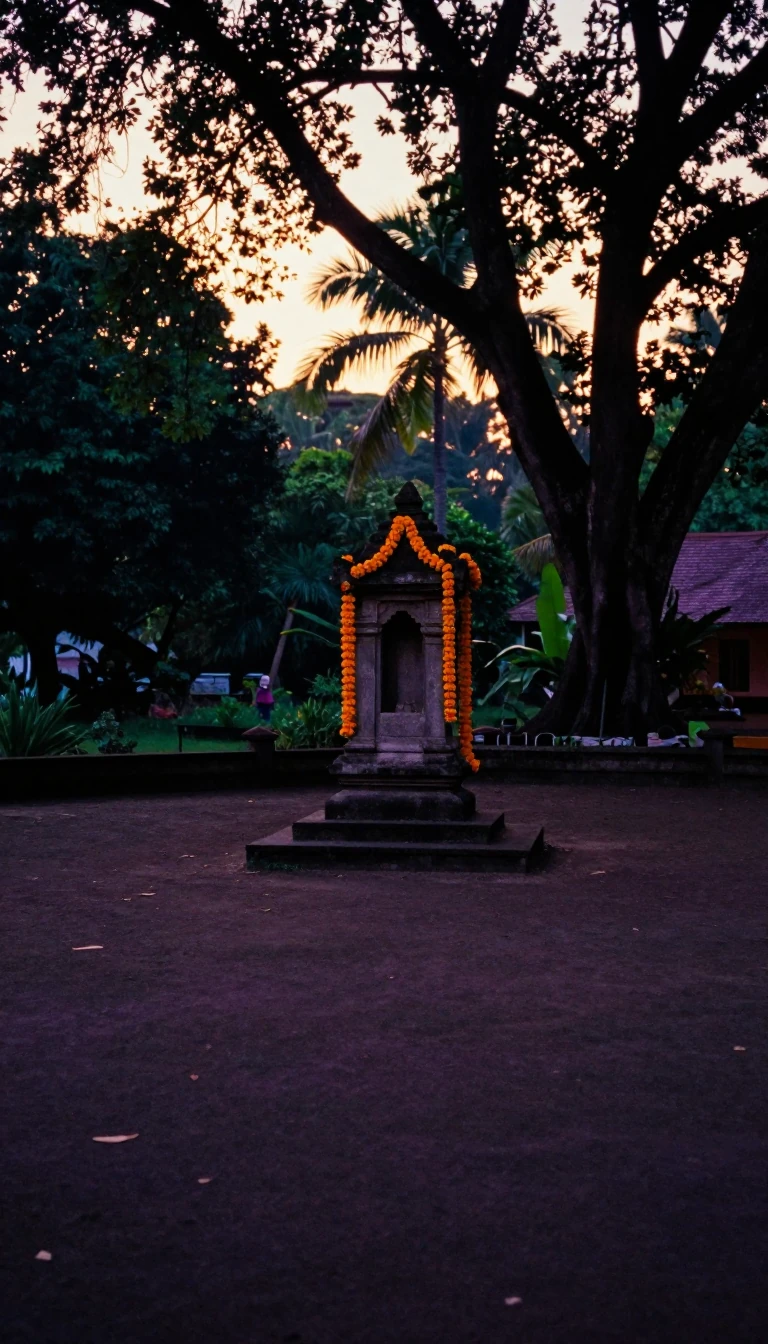
In short: Known historically as the Spice Islands, Maluku was the global center for cloves and nutmeg. Today, this eastern Indonesian province spans over 600 islands, balancing a rich, volatile history of colonial struggle and religious tension with a modern economy rooted in agriculture, forestry, and its unique, rugged volcanic geography.
Maluku, a province in eastern Indonesia, comprises the southern portion of the Moluccas. Its geography is defined by more than 600 islands, ranging from tiny atolls to the mountainous island of Ceram. The region is geologically active; Mount Api in the Banda Islands erupted violently in 1988 after 80 years of dormancy, while Ambon, the provincial capital, experiences frequent earthquakes. The landscape is lush, featuring evergreen forests and fertile lowlands enriched by volcanic ash, supporting a diverse array of wildlife including babirusas and various species of lories and cockatoos.
The province's history is inseparable from the global spice trade. Before European arrival, the region was dominated by powerful sultanates, including Ternate and Tidore, which controlled the flow of cloves and nutmeg to Indian, Chinese, and Arab traders. This strategic value drew the Portuguese in the 16th century and the Dutch, who solidified control by 1667. The islands later endured British rule, Japanese occupation during World War II, and a post-war struggle for integration into the newly independent Republic of Indonesia.
Modern Maluku is shaped by these historical layers. In 1999, the region was administratively split into the provinces of Maluku and North Maluku, a decision driven by the need to manage escalating communal violence between Christian and Muslim populations that had displaced tens of thousands. Today, the economy relies on agriculture—producing rice, spices, and coffee—alongside forestry and fishing. While the Malay, Ambonese, and Tanimbarese remain the largest ethnic groups, the province remains sparsely populated compared to western Indonesia, with many smaller islands left uninhabited.
Opens the Intellect+ feed with this card first. Swipe up for the next one.
Sources
- Summary by Intellect · source: Maluku | Indonesian Archipelago, Spice Islands & History | Britannica
- Also: Maluku (province)
To cite this card, link to https://intellectplus.co.uk/app/places-maluku-province.
How we source, check and correct cards: Editorial standards.
General information, not professional advice. Spotted an error? Flag the card or see corrections and complaints.
Intellect Plus is a visual educational discovery platform for exploring fascinating facts and ideas. Brain Food, Not Brain Rot. What is Intellect Plus?
Related
More in Regions and country subdivisions · More in Countries & Cities · Latest · A–Z · All topics
