The only continent where science is the primary national policy
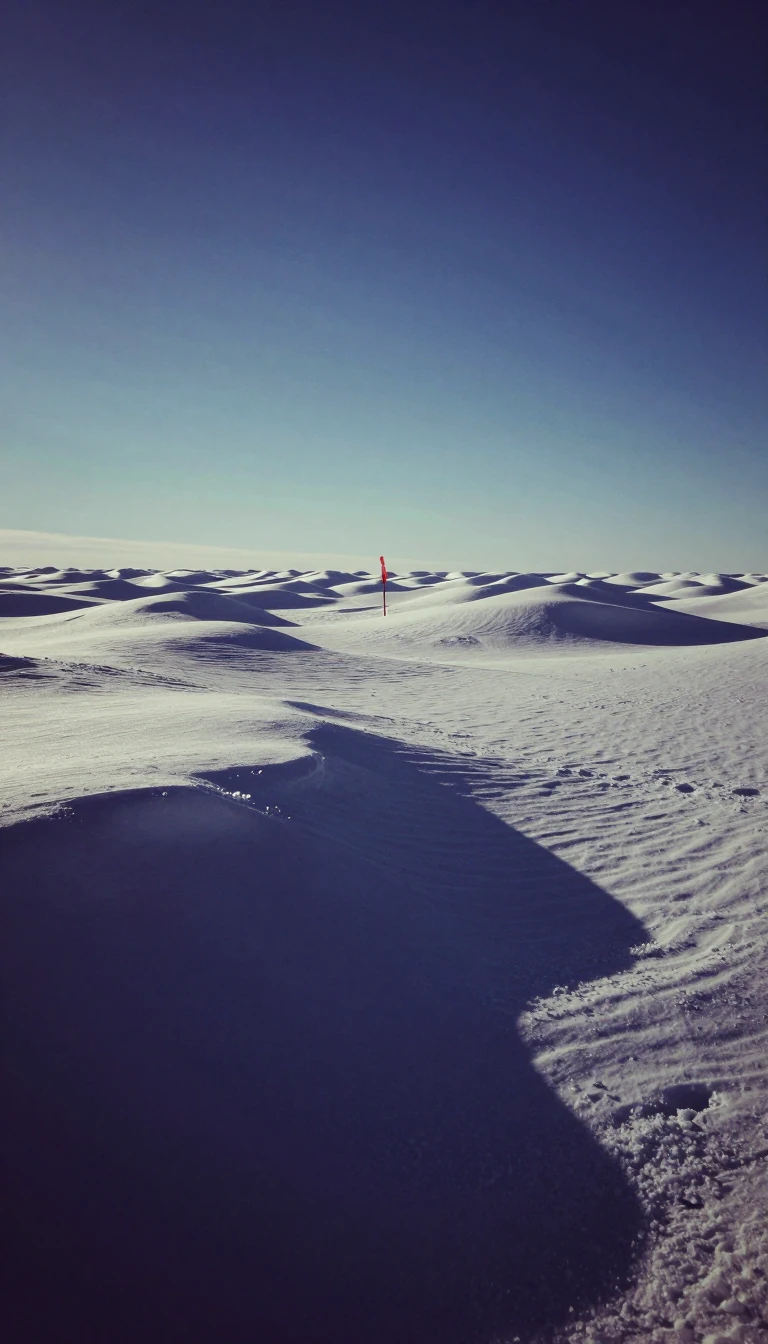
In short: In a world of geopolitical friction, Antarctica stands as a unique sanctuary. Since 1959, the United States has operated there under a mandate where scientific discovery is the primary expression of national interest. It is a rare international accord where the pursuit of knowledge takes precedence over territorial gain.
The transition of Antarctica from a site of exploration to a laboratory of peace began with the International Geophysical Year (IGY) in 1957–58. This multi-national effort was designed to study global geophysical processes, providing the framework for the Antarctic Treaty signed in 1959. This treaty established the continent as a zone reserved exclusively for peaceful purposes. Today, the National Science Foundation (NSF) manages the United States Antarctic Program (USAP), coordinating research that spans astronomy, glaciology, and environmental monitoring.
The logistics of this scientific mission are immense. The USAP operates three year-round research stations, including McMurdo Station—the largest by population—and the Amundsen–Scott South Pole Station. McMurdo serves as the primary logistics hub, situated on barren volcanic hills and hosting two airfields and a heliport. In contrast, the South Pole station sits on an ice sheet 2,700 meters thick that drifts roughly 10 meters a year toward the Weddell Sea. These facilities allow researchers to study everything from active volcanoes like Mount Erebus to the extreme meteorology of the polar plateau.
However, maintaining this 'peace and science' mandate faces modern complexities. While the 1991 Environmental Protocol protects the ecosystem, the program also navigates internal challenges, including infrastructure modernization projects like AIMS, which aims to build 370,000 square feet of new facilities at McMurdo. Furthermore, recent years have seen the program grapple with internal safety assessments, labor disputes regarding wages and mistreatment, and significant budgetary pressures that threaten to impact the decommissioning of research vessels and the continuity of science.
Opens the Intellect+ feed with this card first. Swipe up for the next one.
Sources
- Summary by Intellect · source: United States Antarctic Program
To cite this card, link to https://intellectplus.co.uk/app/nature-united-states-antarctic-program.
How we source, check and correct cards: Editorial standards.
General information, not professional advice. Spotted an error? Flag the card or see corrections and complaints.
Intellect Plus is a visual educational discovery platform for exploring fascinating facts and ideas. Brain Food, Not Brain Rot. What is Intellect Plus?
Related
More in Geology · More in Nature · Latest · A–Z · All topics
