How a former pharmacy became the epicenter of New York's underground cultural revolution
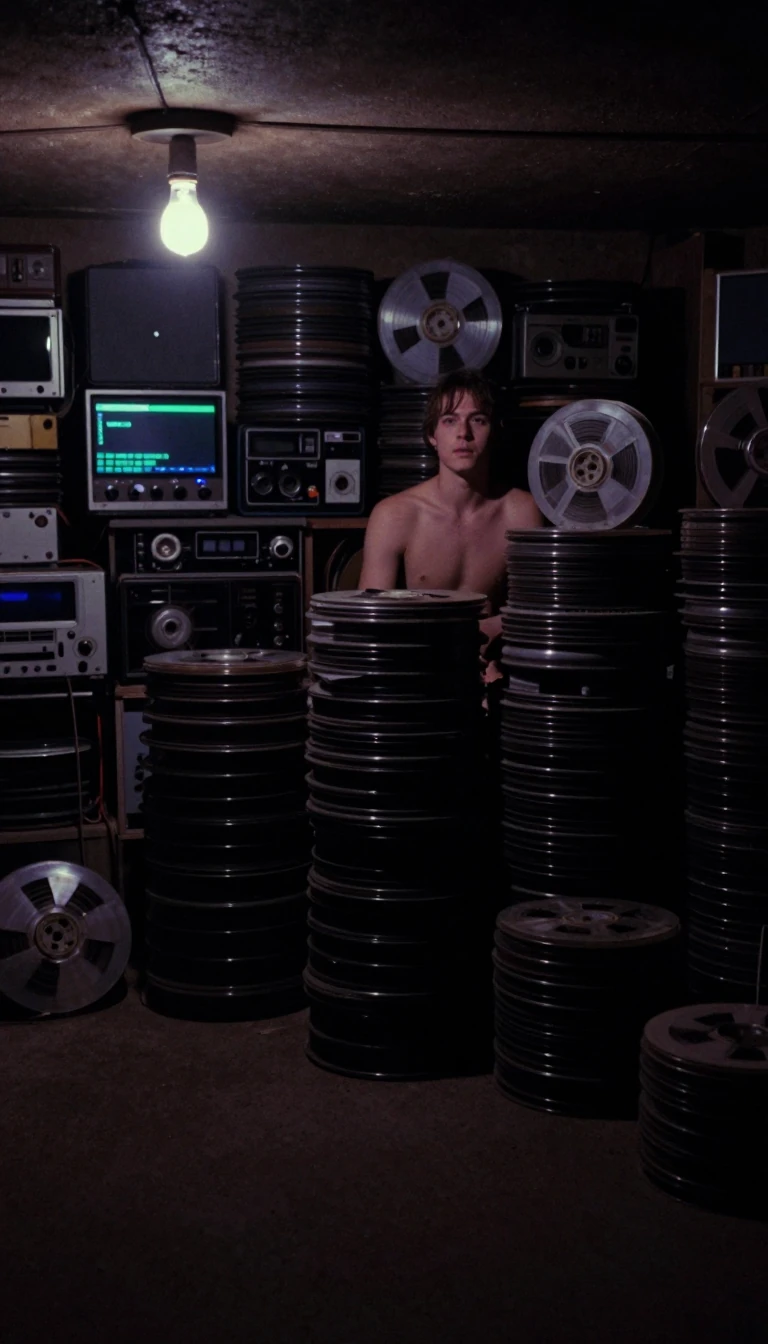
In short: Max's Kansas City was more than a nightclub; it was a crucible where pop art, glam rock, and punk collided. From Andy Warhol’s red-lit back room to the early stages of Bruce Springsteen and the Ramones, this Park Avenue South venue defined the raw, electric spirit of New York’s 1960s and 1970s.
Opened by Mickey Ruskin in 1965 at 213 Park Avenue South, Max's Kansas City occupied a space previously used as a pharmacy. Ruskin acquired the location with minimal capital, transforming it into a legendary gathering spot for artists, musicians, and the city's jet set. The venue was famously divided into three distinct areas: the Bar, the Back Room, and the Upstairs. The Back Room, illuminated by Dan Flavin’s signature red light installation, became the domain of Andy Warhol and his entourage, who famously traded artwork for credit to cover their tabs.
The club’s influence spanned multiple musical eras. In the late 1960s and early 1970s, it served as a home base for glam rock icons like David Bowie, Iggy Pop, and the New York Dolls. It also hosted pivotal early performances, including Bruce Springsteen’s 1972 solo acoustic set and the international debut of Bob Marley & the Wailers. By the mid-1970s, under the booking guidance of Peter Crowley, the venue pivoted to become a foundational site for the burgeoning punk scene, hosting acts like the Ramones, Blondie, and the Talking Heads.
Financial instability plagued the venue throughout its history. Ruskin filed for bankruptcy in 1974, a move attributed by some to competition from the Bottom Line and by others to mismanagement. Although the club reopened in 1975 under new ownership and continued to influence the punk movement, it eventually closed its original doors in 1981. Today, the legacy of the venue persists through the Max's Kansas City Project, a non-profit established in 2001 by Yvonne Sewall-Ruskin to provide emergency support for artists in crisis, honoring the spirit of the original establishment.
The cultural impact of Max's is well-documented in memoirs and retrospectives, including the 2015 book by photographer Marcia Resnick. While the physical space at 213 Park Avenue South has seen various uses—including a campaign office for Mayor Ed Koch and a Korean deli—the venue remains a symbol of a time when disparate creative worlds homogenized into a singular, influential underground scene.
Opens the Intellect+ feed with this card first. Swipe up for the next one.
Sources
- Summary by Intellect · source: Max's Kansas City
- Also: Wikidata — Max's Kansas City · CC0
To cite this card, link to https://intellectplus.co.uk/app/places-max-s-kansas-city.
How we source, check and correct cards: Editorial standards.
General information, not professional advice. Spotted an error? Flag the card or see corrections and complaints.
Intellect Plus is a visual educational discovery platform for exploring fascinating facts and ideas. Brain Food, Not Brain Rot. What is Intellect Plus?
Related
More in Basics · More in Countries & Cities · Latest · A–Z · All topics
