Why medieval market towns were the original engines of European economic growth
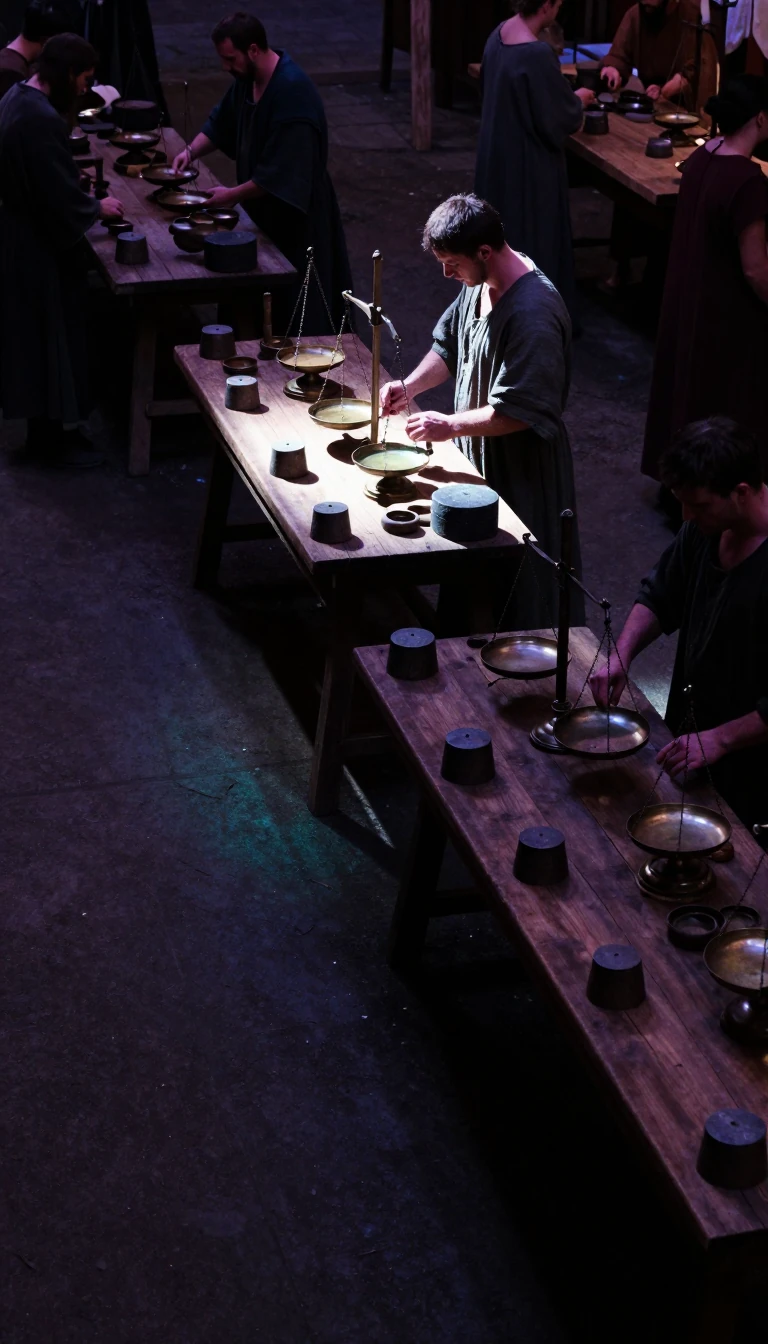
In short: Before permanent retail, the market town was the heartbeat of local life. These settlements, defined by royal charters and custom, transformed the medieval landscape by concentrating trade, social interaction, and governance. From the 12th century onwards, they became the essential hubs that fueled the transition to a cash-based economy.
The rise of the market town was a defining feature of the Middle Ages. By the 12th century, the number of these settlements began to surge across Europe, supported by a growing urban society and the spread of a cash-based economy. While some were 'prescriptive' towns—gaining status through long-standing custom—many were formally established by kings and administrators. These rulers recognized that a successful market attracted people, generated vital tax revenue, and provided the resources necessary to fund town defenses.
Geography played a critical role in their success. Early market towns often emerged near fortified sites like castles or monasteries, which provided both protection and a steady demand for goods. Others were strategically placed at crossroads or river fords to maximize accessibility. By the 13th century, a network of chartered markets had spread across England, governed by strict rules that prevented rival markets from opening within a day's travel—a distance of approximately 10 kilometers—to ensure the viability of existing trade centers.
The marketplace itself was more than just a site for transactional exchange; it was the primary venue for social interaction, the sharing of information, and the circulation of gossip. Traders ranged from professional shopkeepers in permanent buildings to casual stallholders and itinerant peddlers. As the economy evolved, the importance of these periodic markets began to wane in the mid-16th century, supplanted by permanent retail establishments and a rising global merchant class. Yet, the legacy of these towns persists in the street plans, market squares, and even the names of many modern European municipalities.
Despite their historical significance, the cultural role of market towns has received surprisingly little scholarly attention compared to their economic impact. While historians like Braudel and Reynold have documented the mechanics of medieval trade, the social fabric of these communities remains a rich area for further study. Today, the term often survives as a historical moniker, a reminder of a time when the weekly market was the center of the known world.
Opens the Intellect+ feed with this card first. Swipe up for the next one.
Sources
- Summary by Intellect · source: Market town
- Also: Wikidata — market town · CC0
To cite this card, link to https://intellectplus.co.uk/app/places-market-town.
How we source, check and correct cards: Editorial standards.
General information, not professional advice. Spotted an error? Flag the card or see corrections and complaints.
Intellect Plus is a visual educational discovery platform for exploring fascinating facts and ideas. Brain Food, Not Brain Rot. What is Intellect Plus?
Related
More in Basics · More in Countries & Cities · Latest · A–Z · All topics
