Mayurbhanj: The Indian district that was once a semi-independent buffer state
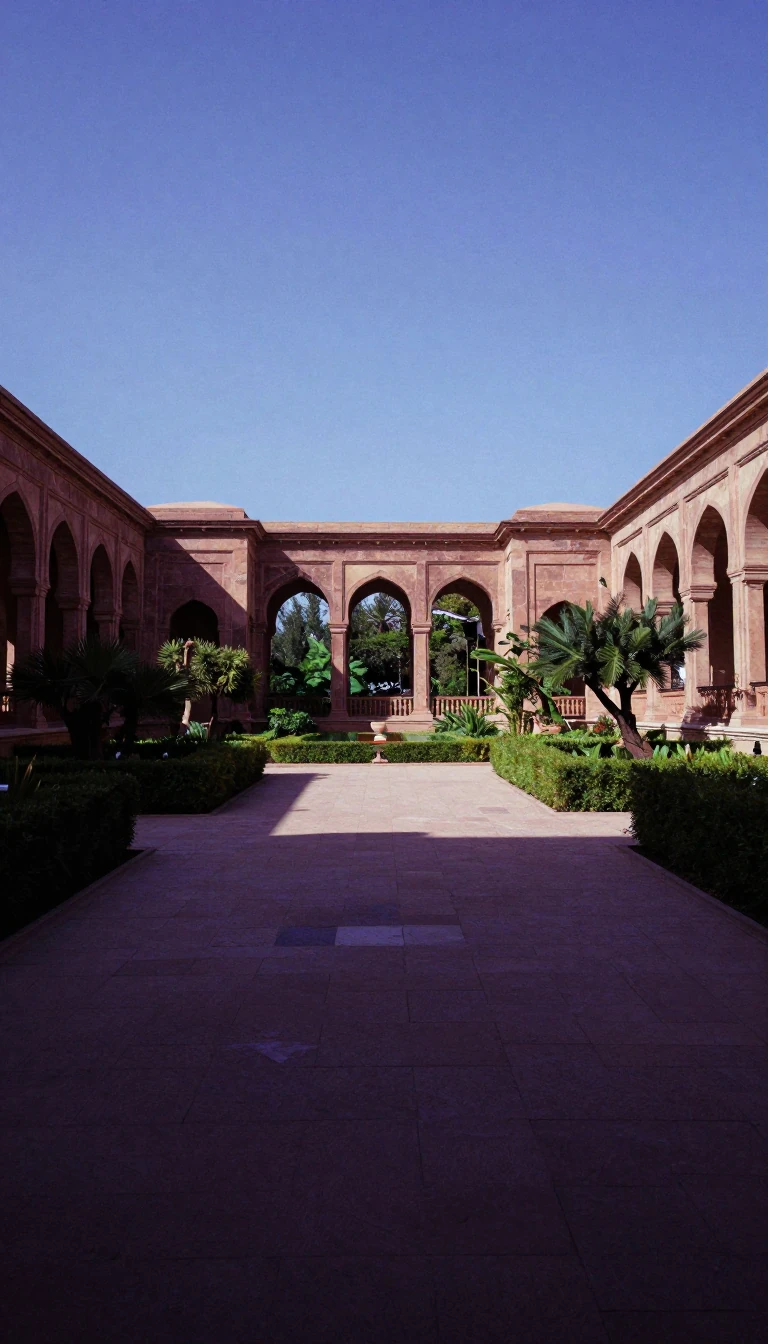
In short: Spanning over 10,000 square kilometers, Mayurbhanj is the largest district in Odisha, India. Once a powerful princely state with its own legislative assembly, it served as a strategic buffer between competing empires before its eventual merger with the state of Odisha in 1949.
Mayurbhanj’s history is defined by the Bhanja dynasty, whose influence dates back to the medieval period. The territory, once known as Khijjinga mandala, was governed from Khiching until the capital shifted to Haripur and later Baripada. During the Mughal era, the state expanded significantly, with rulers like Raja Krushna Chandra Bhanja extending their reach toward the Bay of Bengal. By the 18th century, the region became a contested zone between the Maratha Empire and British authorities, eventually gaining recognition as a feudatory state that acted as a buffer between these two powers.
The district’s administrative evolution is equally complex. In the early 20th century, Maharaja Sriram Chandra Bhanj Deo modernized the state, building infrastructure like narrow-gauge railways and establishing municipal governance. Following India’s independence in 1947, the Maharaja initially resisted immediate merger, having already granted his state a responsible government with a cabinet of ministers. However, facing administrative challenges and social instability, he signed the Instrument of Merger in 1948. The transition concluded on January 1, 1949, when Mayurbhanj officially became part of Odisha.
Geographically, the district is dominated by the Simlipal National Park, which covers more than a quarter of its land and influences the local climate. The landscape transitions from the mountainous central zone to high western plateaus and fertile eastern plains. This diverse terrain supports a population of over 2.5 million people, a majority of whom belong to Scheduled Tribes, including the Santal and Ho communities. While agriculture remains the primary occupation, the district’s cultural identity is a unique blend of ancient traditions, such as the Jagannath cult and tribal rites, alongside modern administrative structures.
Opens the Intellect+ feed with this card first. Swipe up for the next one.
Sources
- Summary by Intellect · source: Mayurbhanj district
- Also: Wikidata — Mayurbhanj district · CC0
To cite this card, link to https://intellectplus.co.uk/app/places-mayurbhanj-district.
How we source, check and correct cards: Editorial standards.
General information, not professional advice. Spotted an error? Flag the card or see corrections and complaints.
Intellect Plus is a visual educational discovery platform for exploring fascinating facts and ideas. Brain Food, Not Brain Rot. What is Intellect Plus?
Related
More in Asia · More in Countries & Cities · Latest · A–Z · All topics
