What makes a city a metropolis? It is rarely just about the population count.
In short: While we often equate a metropolis with sheer size, the term historically signifies a mother city or a central hub of influence. From ancient Greek roots to modern legal definitions, the criteria for what constitutes a metropolis vary wildly across the globe, shifting from administrative status to economic connectivity.
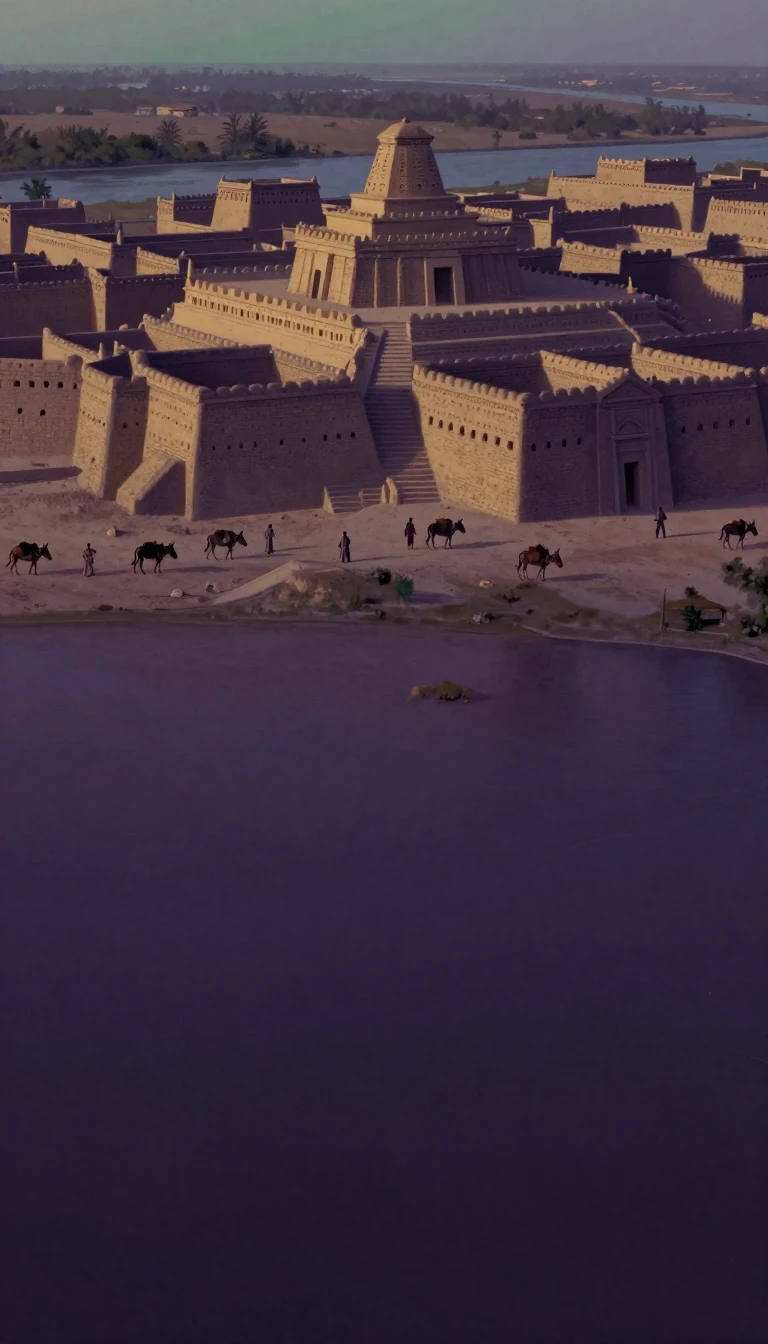
The word metropolis derives from the Greek mētēr, meaning mother, and polis, meaning city. In antiquity, it referred to the original city that sent out settlers to form colonies, maintaining deep cultural and political ties. By the 16th century, the term began to describe large secular centers, with London serving as the primary example until the 19th century. Today, the definition has evolved to encompass polycentric urban regions where multiple cities function as a single economic unit, such as the Tokyo-Osaka corridor.
Legal definitions are equally diverse. In the United States, the Census Bureau uses a threshold of 50,000 inhabitants to define a Metropolitan Statistical Area, while India’s 74th Amendment sets the bar at one million. Japan designates only Tokyo as a metropolis, structuring it as a prefecture rather than a standard city. Meanwhile, in countries like France, Portugal, and Spain, the term historically distinguished the mainland from overseas colonial territories, though modern usage in France now also applies to large urban agglomerations like Lyon.
Modern urban planning increasingly focuses on metropolitan functions rather than simple population statistics. Germany, for instance, evaluates regions based on their decision-making, innovation, and gateway capabilities. This shift acknowledges that a metropolis is defined by its role as a hub for commerce, communications, and regional influence. Whether through the legal frameworks of Turkey’s 30 metropolitan municipalities or the statistical divisions of Australia, the metropolis remains a dynamic concept, constantly adapting to the realities of global urban growth and socioeconomic integration.
Opens the Intellect+ feed with this card first. Swipe up for the next one.
Sources
- Summary by Intellect · source: Metropolis
- Also: Wikidata — Metropolis · CC0
To cite this card, link to https://intellectplus.co.uk/app/places-metropolis.
How we source, check and correct cards: Editorial standards.
General information, not professional advice. Spotted an error? Flag the card or see corrections and complaints.
Intellect Plus is a visual educational discovery platform for exploring fascinating facts and ideas. Brain Food, Not Brain Rot. What is Intellect Plus?
Related
More in Cities · More in Countries & Cities · Latest · A–Z · All topics
