Why the world's largest city might actually be a giant rural landscape
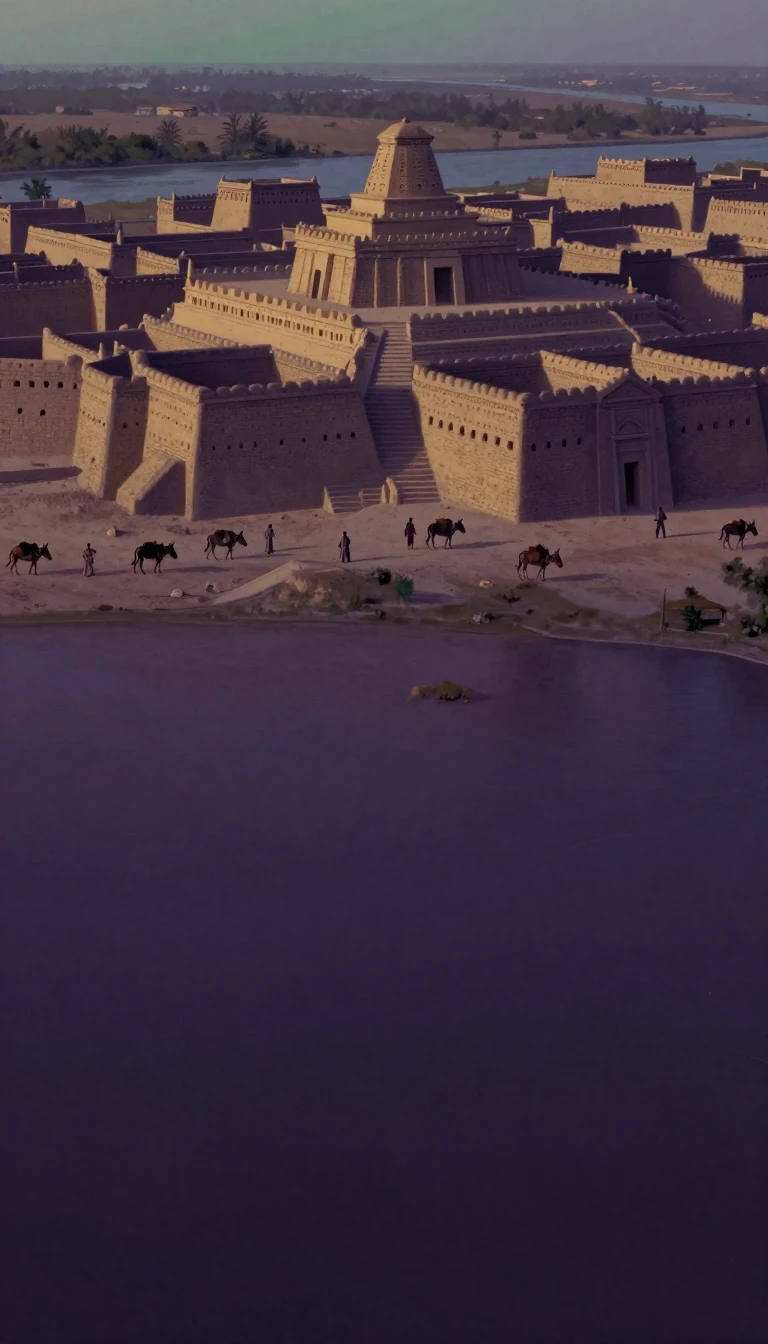
In short: Defining a city is deceptively complex. Depending on whether you count administrative borders, commuter zones, or continuous urban sprawl, the title of largest city shifts dramatically. Official census data often struggles to capture reality, especially when massive municipalities include millions of agricultural workers within their legal boundaries.
The United Nations identifies three primary ways to classify a city: the city proper, the metropolitan area, and the urban area. These definitions are not interchangeable, leading to significant discrepancies in global rankings. A city proper refers to the population living within specific administrative or legal boundaries. This approach can be misleading; for instance, Chongqing is often cited as the world's largest city proper, yet roughly 30% of its 30 million residents are agricultural workers living in rural settings across an area the size of Austria.
Metropolitan areas offer a different perspective by focusing on labor markets and commuter zones. These regions include the central city and surrounding territories linked by transport and economic activity. In the United States, the Office of Management and Budget establishes these statistical boundaries, while other nations, such as the Philippines and Indonesia, utilize specific development agencies to manage these sprawling, interconnected regions. This definition prioritizes functional integration over political lines, capturing the reality of modern urban life where people live in suburbs but work in the core.
Finally, urban areas are defined by physical continuity, focusing on built-up land masses that contain no rural territory. This method, favored by organizations like Demographia, ignores political borders entirely to map the actual footprint of human development. Because countries use wildly different criteria—ranging from population density thresholds to the presence of infrastructure like sewerage—direct comparisons remain notoriously difficult. As of 2025, the United Nations estimates there are 85 cities worldwide with populations exceeding 5 million, though the true scale of these urban centers depends heavily on which lens you choose to view them through.
Ultimately, the challenge of counting city dwellers is compounded by the presence of slum communities and unhoused populations, which often fall outside the scope of official census reporting. Whether a city is measured by its legal jurisdiction, its economic reach, or its physical sprawl, the resulting data is a reflection of the specific criteria chosen rather than an absolute truth.
Opens the Intellect+ feed with this card first. Swipe up for the next one.
Sources
- Summary by Intellect · source: List of largest cities
- Also: Wikidata — list of largest cities · CC0
- Also: Wikidata — list of largest cities in Brazil · CC0
To cite this card, link to https://intellectplus.co.uk/app/places-list-of-largest-cities.
How we source, check and correct cards: Editorial standards.
General information, not professional advice. Spotted an error? Flag the card or see corrections and complaints.
Intellect Plus is a visual educational discovery platform for exploring fascinating facts and ideas. Brain Food, Not Brain Rot. What is Intellect Plus?
Related
More in Cities · More in Countries & Cities · Latest · A–Z · All topics
