How ancient architects carved a sacred capital directly into the top of a mountain.
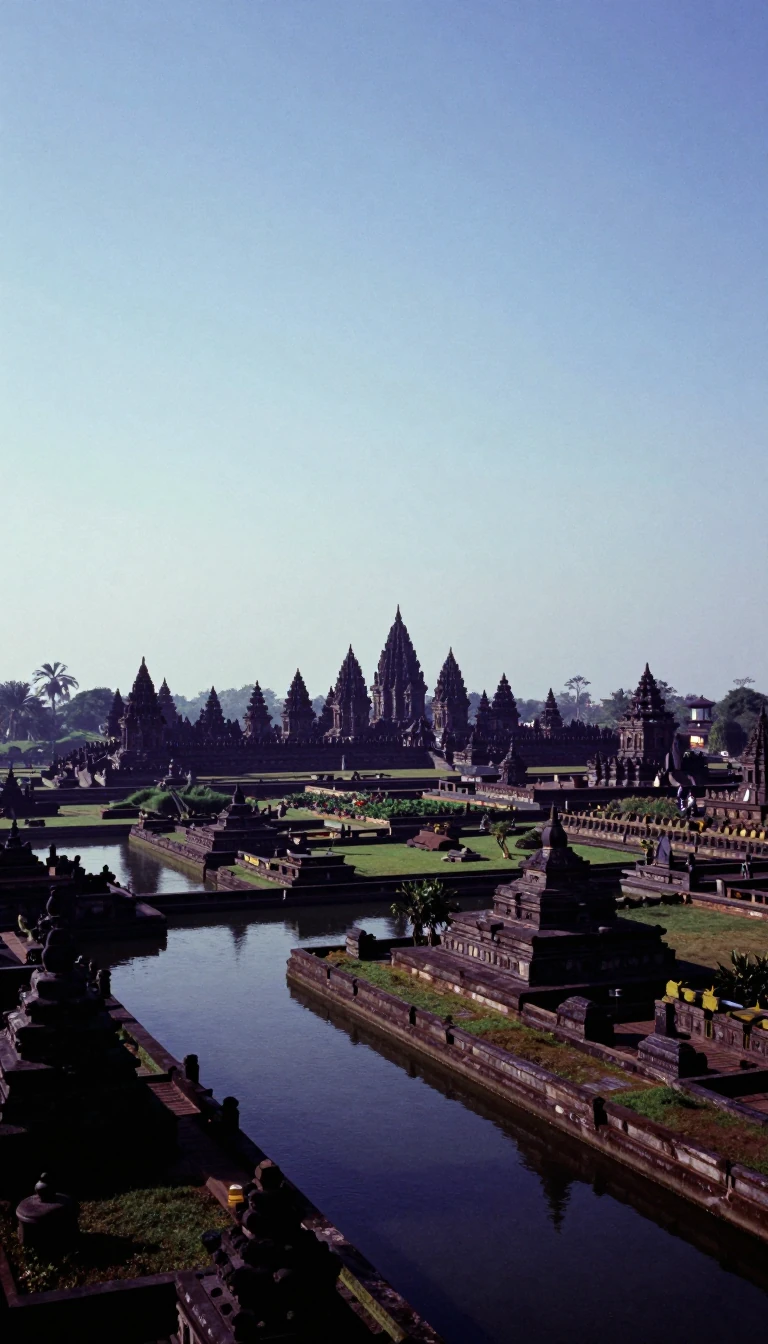
In short: Monte Albán is a masterpiece of Mesoamerican engineering, where successive civilizations transformed a rugged ridgeline into a sprawling ceremonial center. By leveling the mountain peak and constructing intricate systems of terraces, dams, and canals, these ancient builders created a permanent, elevated landscape that dominated the Oaxacan valley for over a millennium.
Founded around 500 B.C., Monte Albán served as the pre-eminent Zapotec capital for thirteen centuries. Its construction required immense effort; the site is perched on an artificially leveled ridge, rising roughly 400 meters above the valley floor. This strategic, defensible location allowed the city to exert significant influence over the surrounding region, acting as a hub for political, economic, and religious activity. The site was not merely a city but a sacred topography, with its ceremonial core featuring a 300-meter esplanade, ball courts, and elaborate tombs.
The city’s development is categorized into five distinct phases. During Monte Albán II, between 300 B.C. and 100 A.D., the site underwent major urbanization, characterized by the sophisticated management of its environment through the construction of hillside terraces and water-control systems. Later phases, specifically IV and V, saw the ceremonial center transition into a fortified town. Throughout its history, the site was shaped by diverse cultural influences, including the Olmecs, Zapotecs, and Mixtecs, as well as interactions with distant powers like Teotihuacan and the Maya.
The site’s eventual decline began around 850 A.D., though the reasons for its abandonment remain a subject of historical debate. Despite this, the physical integrity of the ceremonial center has been remarkably preserved. Modern archaeological efforts, most notably the large-scale scientific excavations led by Alfonso Caso starting in 1931, revealed the site's complex chronology and artistic legacy. Today, Monte Albán stands as a testament to pre-Columbian urban planning, showcasing a unique harmony between monumental architecture and the challenging natural landscape of the Mexican highlands.
Opens the Intellect+ feed with this card first. Swipe up for the next one.
Sources
- Summary by Intellect · source: Historic Centre of Oaxaca and Archaeological Site of Monte Albá;n
- Also: Monte Albán
To cite this card, link to https://intellectplus.co.uk/app/places-monte-alb-n.
How we source, check and correct cards: Editorial standards.
General information, not professional advice. Spotted an error? Flag the card or see corrections and complaints.
Intellect Plus is a visual educational discovery platform for exploring fascinating facts and ideas. Brain Food, Not Brain Rot. What is Intellect Plus?
Related
More in World Heritage Sites · More in Countries & Cities · Latest · A–Z · All topics
