A Swiss mountain holds the world's most detailed record of ancient marine life
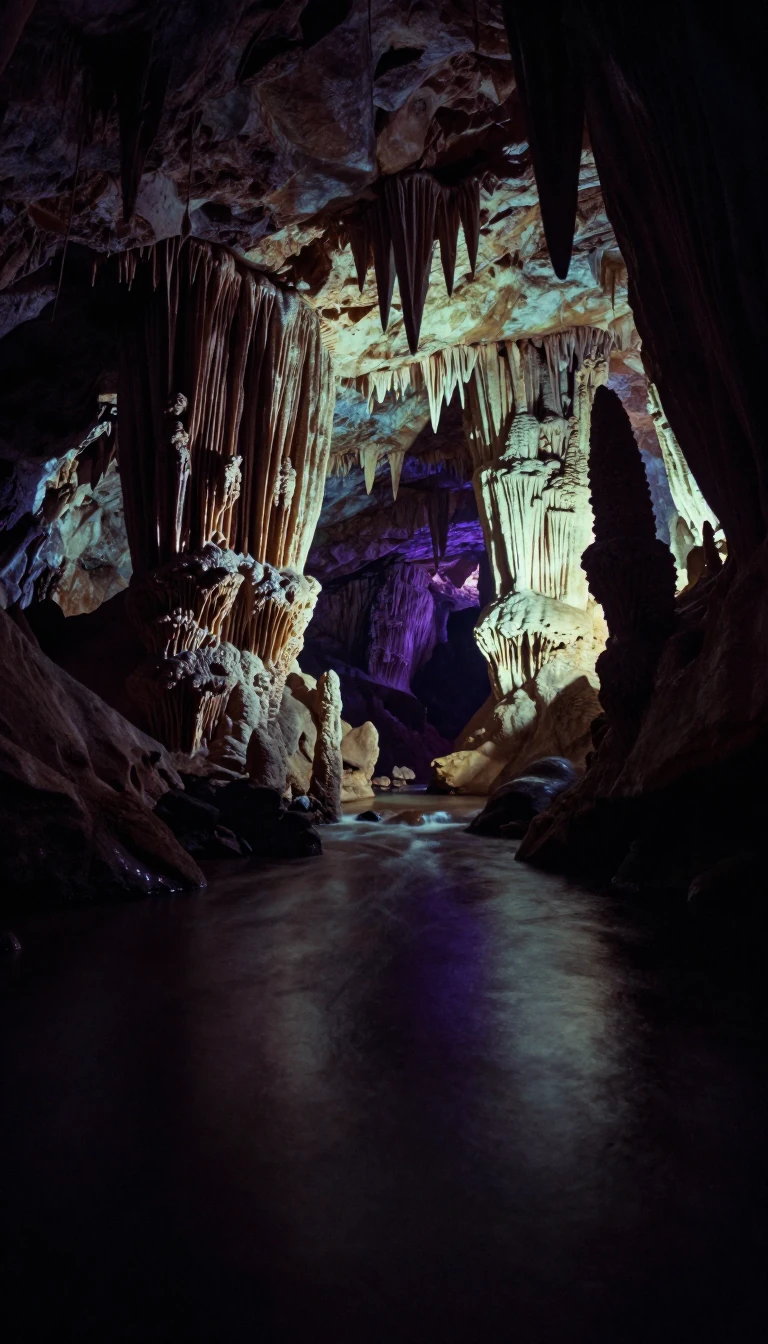
In short: Rising above Lake Lugano, Monte San Giorgio is more than a scenic peak. It serves as a geological time capsule, preserving an extraordinary fossil record from the Middle Triassic period. This UNESCO World Heritage site reveals a lost tropical world, offering scientists unparalleled insight into the evolution of prehistoric marine ecosystems.
The mountain’s geological history stretches across a vast timeline, covering over 100 million years from the Permian to the Jurassic. Its internal structure acts as a vertical archive, with older volcanic basement rocks exposed at the northern base and younger sedimentary layers appearing as one moves southward. These strata document the shifting environments of the ancient Tethys Sea, transitioning from terrestrial volcanic landscapes to shallow carbonate platforms and eventually into deeper, oxygen-depleted basins.
The site’s fame rests primarily on its Middle Triassic fossiliferous layers, specifically the Grenzbitumenzone and the Meride Limestone. These sections were formed in restricted marine basins where low oxygen levels at the seafloor prevented scavengers from disturbing carcasses. This unique preservation environment has yielded thousands of specimens, including diverse marine reptiles, fish, and cephalopods. Systematic excavations, pioneered by Bernhard Peyer in 1924 and continued by Emil Kuhn-Schnyder, have transformed our understanding of these ancient creatures, with the University of Zurich’s institute now housing over 15,000 individual fossils.
Beyond its paleontological treasures, the mountain functions as a modern ecological refuge. Its varied geology creates a mosaic of soil types, supporting distinct plant communities ranging from sweet chestnut forests to rare dry meadows. These habitats host over 100 vertebrate species and hundreds of fungi, some of which are endemic to the region. Today, the site is managed through a transnational partnership between Swiss and Italian authorities, ensuring that both its fragile fossil deposits and its contemporary biodiversity are protected for future study and low-impact exploration.
The site's significance was formally recognized by UNESCO in 2003, with an Italian expansion added in 2010. While early industrial efforts in the 20th century sought to extract shale for pharmaceutical products like saurol, modern management focuses on scientific research and conservation. By linking deep-time geological processes with current ecological health, Monte San Giorgio remains a vital site for understanding both the history of life on Earth and the preservation of rare, localized biomes.
Opens the Intellect+ feed with this card first. Swipe up for the next one.
Sources
- Summary by Intellect · source: Monte San Giorgio
- Also: Wikidata — Monte San Giorgio · CC0
- Also: Wikidata — Monte San Giorgio site fossils · CC0
To cite this card, link to https://intellectplus.co.uk/app/places-monte-san-giorgio.
How we source, check and correct cards: Editorial standards.
General information, not professional advice. Spotted an error? Flag the card or see corrections and complaints.
Intellect Plus is a visual educational discovery platform for exploring fascinating facts and ideas. Brain Food, Not Brain Rot. What is Intellect Plus?
Related
More in World Heritage Sites · More in Countries & Cities · Latest · A–Z · All topics
