The Jura Mountains gave their name to the Jurassic period of Earth's history
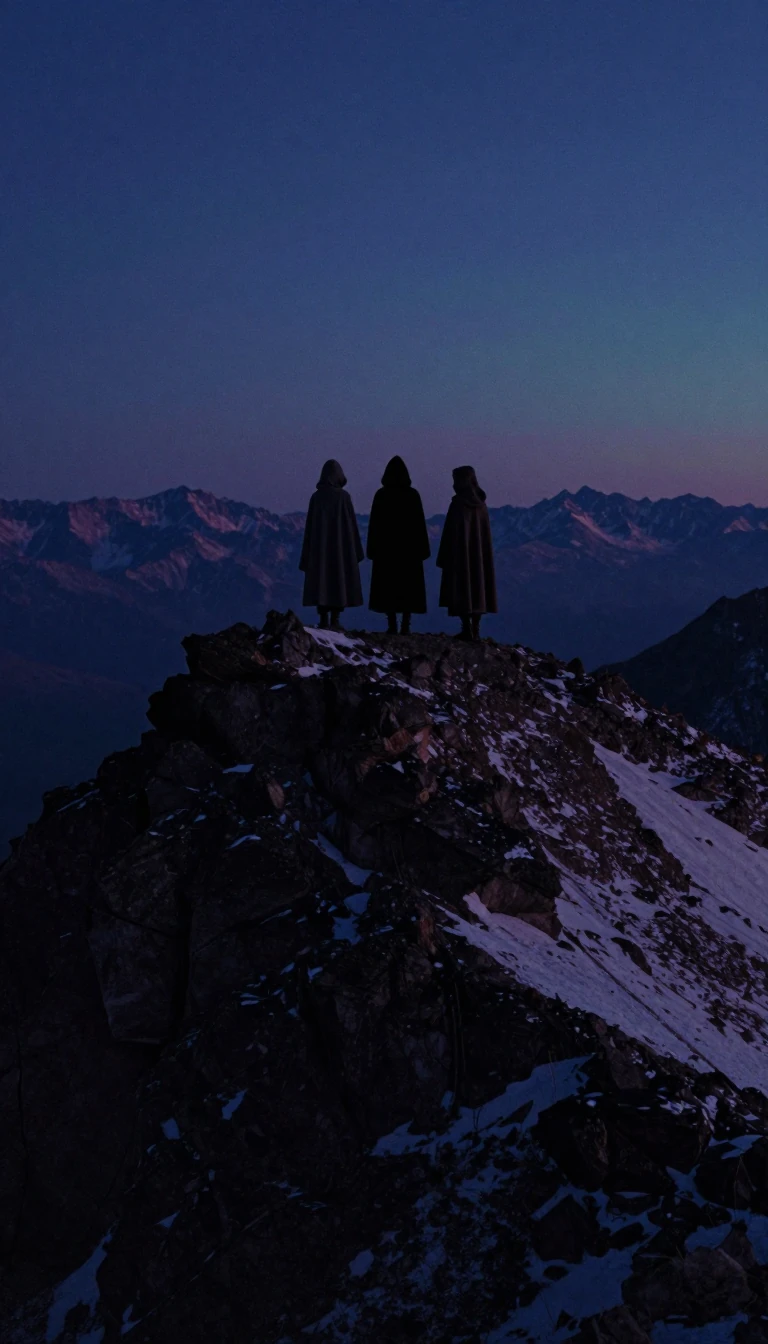
In short: Spanning the border between France and Switzerland, the Jura Mountains are more than just a scenic range. Their unique limestone formations, identified by Alexander von Humboldt, provided the geological foundation for the term Jurassic. These peaks hold secrets of ancient marine environments and the powerful forces that shaped modern Europe.
The Jura Mountains form a 225-mile arc stretching between the Rhône and Rhine rivers. While the range is primarily located in Switzerland, a significant portion of its western sector lies within France. The highest elevations are found in the south, near Geneva, where peaks such as Crêt de la Neige reach 5,636 feet. As the range extends toward the northeast, the crests gradually decrease in height.
Geologically, the Jura are part of the Alpine foreland, formed during the Cenozoic Era as a result of the same tectonic movements that created the Alps. The mountain-building process occurred in two distinct thrust phases: the first created the outer French ridges, while the second formed the higher inner ranges. The prevalence of limestone, often alternating with softer marl, makes the terrain highly permeable, leading to a notable deficiency of surface water. Consequently, many streams in the region flow underground, reappearing as rivers like the Orbe.
The name Jura is derived from the Gaulish word for forest, though it shares roots with the Slavic term for mountain. The region's fossil-bearing limestone, which Humboldt dubbed Jura Limestone, defines the Jurassic Period, spanning roughly 200 to 145 million years ago. Today, the landscape is characterized by dense forests, high plateaus, and a dairy-focused economy. Beyond agriculture, the area has become a hub for specialized light industries, including Swiss watchmaking, gem cutting, and the production of precision instruments like camera equipment and music boxes.
The climate is a transitional maritime-continental type, with raw conditions on the heights and milder temperatures in protected valleys. This environment supports a mix of oak, beech, and fir forests, with sycamore maples appearing in the southern reaches. Above the tree line, which sits at approximately 5,300 feet, the landscape transitions into Alpine grasses. The region's natural beauty and varied topography have fostered a robust tourism industry, offering everything from summer hiking to winter skiing.
Opens the Intellect+ feed with this card first. Swipe up for the next one.
Sources
- Summary by Intellect · source: Jura Mountains | France, Switzerland, Map, Location, & Heights | Britannica
- Also: Jura Mountains
To cite this card, link to https://intellectplus.co.uk/app/nature-jura-mountains.
How we source, check and correct cards: Editorial standards.
General information, not professional advice. Spotted an error? Flag the card or see corrections and complaints.
Intellect Plus is a visual educational discovery platform for exploring fascinating facts and ideas. Brain Food, Not Brain Rot. What is Intellect Plus?
Related
More in Organisms · More in Nature · Latest · A–Z · All topics
