Why is this fertile Nile Delta region known as the land of Egyptian presidents?
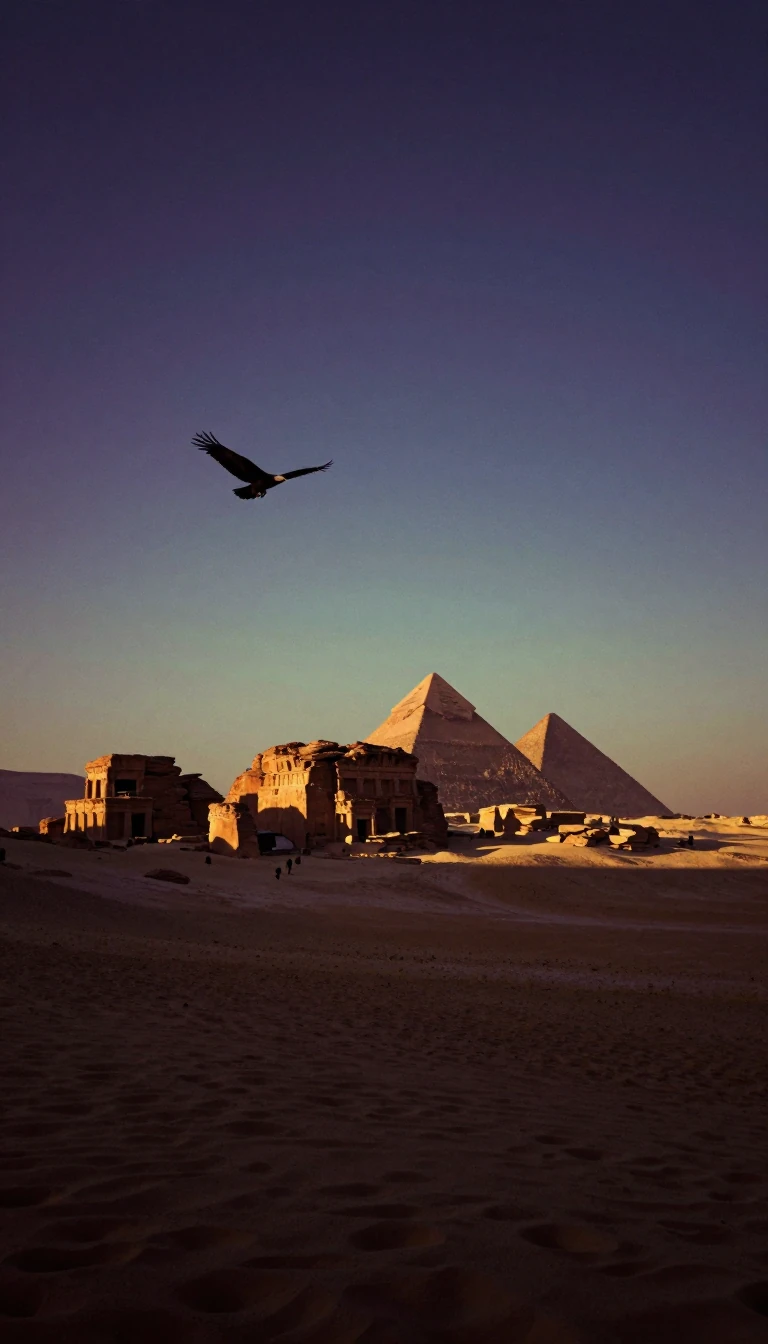
In short: Monufia Governorate, a triangular expanse in the Nile Delta, is famously the birthplace of four Egyptian presidents. Beyond its political legacy, this region—named for the ancient city of Menouf—is defined by a deep-rooted agricultural identity, a complex history of colonial resistance, and a unique, persistent cultural stereotype.
Monufia’s name originates from the Ancient Egyptian term Nafr, meaning the Good Land. Historically, the region was an administrative patchwork; it was known as Al-Menoufiatayn during the Fatimid Caliphate and later consolidated into a single unit in 1315 by Sultan Al-Nasir Muhammad ibn Qalawun. Its capital shifted to the centrally located Shibin El Kom in 1826 under Muhammad Ali Pasha, a move designed to improve regional oversight. Today, the governorate is predominantly rural, with urbanization rates significantly lower than the national average.
The region’s identity is inextricably linked to the Denshawai Incident of 1906, a flashpoint of British colonial injustice. When British officers hunting pigeons accidentally killed a local woman and set a loft on fire, the resulting confrontation led to a brutal military trial and the execution of four villagers. This event, which Mustafa Kamil used to galvanize international opposition to British rule, remains so central to the local psyche that June 13 is commemorated as the governorate’s national day.
Economically, Monufia is a powerhouse of agriculture, benefiting from the fertile soil between the Rosetta and Damietta branches of the Nile. However, the 1991 incorporation of Sadat City—a massive industrial hub transferred from Beheira Governorate—transformed its landscape. While Sadat City occupies over 35% of the governorate’s total area, it remains the least populated district. This expansion has fueled ongoing debates, with some calling for the city to become the capital of an entirely new, independent governorate.
Despite its prestige, the region is the subject of a long-standing, unflattering stereotype. The phrase 'The Menoufi is not loyal' dates back to the Mamluk Sultanate, originating from a tale of a witness who accepted bribes from a murderer only to testify against him in court. This reputation for perceived greed or unreliability persists in Egyptian folklore, contrasting sharply with the governorate's historical status as a cradle of national leadership.
Opens the Intellect+ feed with this card first. Swipe up for the next one.
Sources
- Summary by Intellect · source: Monufia Governorate
- Also: Wikidata — Monufia Governorate · CC0
To cite this card, link to https://intellectplus.co.uk/app/places-monufia-governorate.
How we source, check and correct cards: Editorial standards.
General information, not professional advice. Spotted an error? Flag the card or see corrections and complaints.
Intellect Plus is a visual educational discovery platform for exploring fascinating facts and ideas. Brain Food, Not Brain Rot. What is Intellect Plus?
Related
More in Regions and country subdivisions · More in Countries & Cities · Latest · A–Z · All topics
