Why did Captain James Cook name a mountain for weather it rarely experiences?
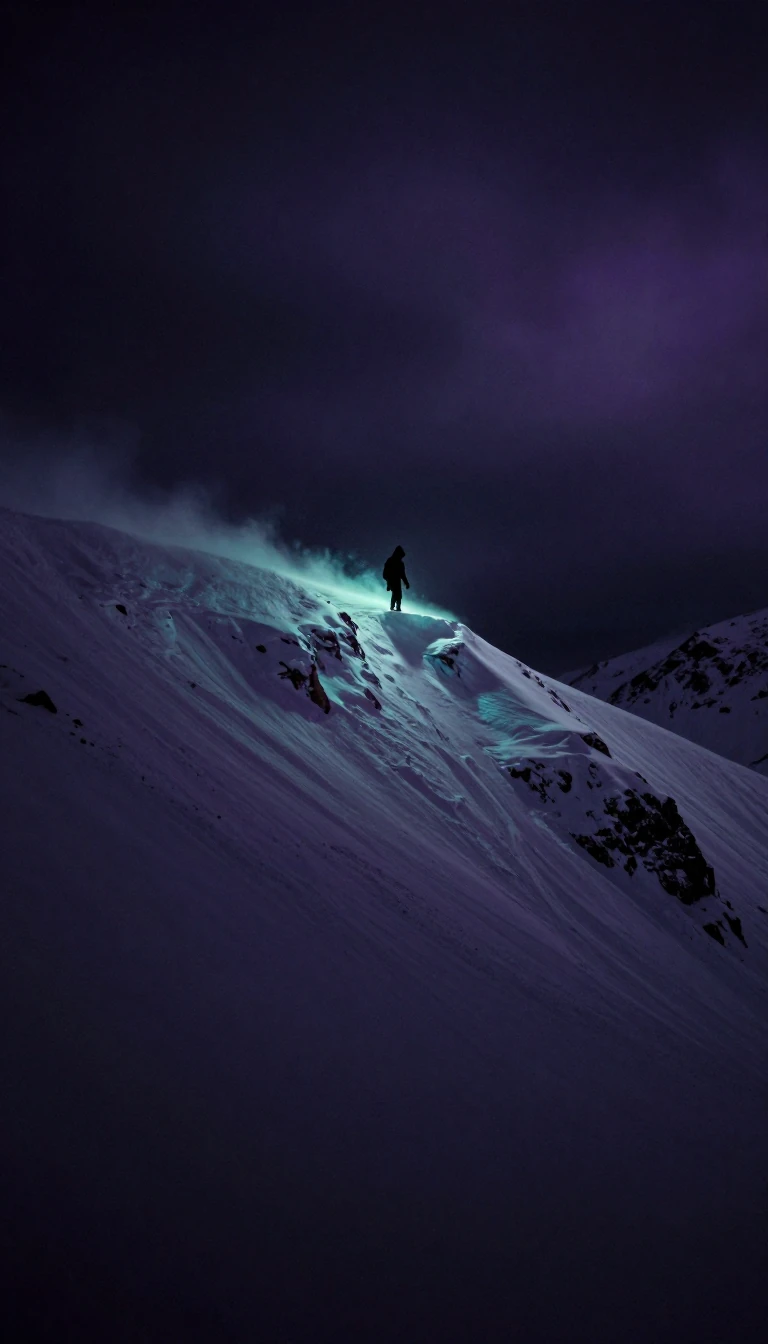
In short: Mount Fairweather, a 4,653-meter giant on the Alaska-Canada border, is a master of irony. Named by Captain James Cook in 1778 for a fleeting moment of sunshine, the peak is actually defined by brutal, freezing storms and thick cloud cover that frequently hides its massive, vertical rise from view.
Located just 20 kilometers from the Pacific Ocean, Mount Fairweather serves as the tallest peak in British Columbia and a significant landmark in the Saint Elias Mountains. Its geography is as dramatic as its history; it marks the northwest extremity of the Alaska Panhandle and sits primarily within Glacier Bay National Park and Preserve. Despite its name, the mountain is subject to intense North Pacific low-pressure systems that funnel in from the Gulf of Alaska, bringing over 100 inches of annual precipitation and temperatures that can plummet to −46 °C.
The mountain's name has been a subject of linguistic evolution, reflecting its international intrigue. Over the 19th century, explorers and cartographers gave it various titles, including La Perouse’s 'Mt. Beautemps' in 1786, Galiano’s 'Mte. Buen-tiempo' in 1802, and even the Russian 'Gora-Khoroshy-pogody' in 1847. These monikers all echo the same sentiment of 'good weather,' a stark contrast to the reality faced by early mountaineers. The terrain is notoriously difficult, characterized by steep ridges and deep snow that thwarted early expeditions, including a notable 1926 attempt that failed due to a challenging notch in the West Ridge.
It was not until 1931 that the summit was finally reached. Allen Carpé and Terris Moore, after a grueling journey involving a 50-mile round trip to retrieve skis and snowshoes, successfully summited on June 8. Their achievement followed a harrowing ordeal where they were forced to retreat from a high camp during a storm, eventually waiting six days for a window of clear weather. Their success marked the first of several notable ascents, including the 1958 expedition led by Paddy Sherman and the 1981 trek from the ocean, which took 19 days to complete. Today, the mountain remains a formidable challenge, often obscured by the very clouds that make its vertical relief so difficult to witness.
Opens the Intellect+ feed with this card first. Swipe up for the next one.
Sources
- Summary by Intellect · source: Mount Fairweather
- Also: Wikidata — Mount Fairweather · CC0
- Also: www.britannica.com — Mount Fairweather | Alaska, British Columbia, Glacier Peak | Britannica
- Also: Wikidata — Mount Fairweather · CC0
To cite this card, link to https://intellectplus.co.uk/app/places-mount-fairweather.
How we source, check and correct cards: Editorial standards.
General information, not professional advice. Spotted an error? Flag the card or see corrections and complaints.
Intellect Plus is a visual educational discovery platform for exploring fascinating facts and ideas. Brain Food, Not Brain Rot. What is Intellect Plus?
Related
More in Mountain peaks and volcanos · More in Countries & Cities · Latest · A–Z · All topics
