Why this 18,008-foot giant is one of the most difficult summits on Earth
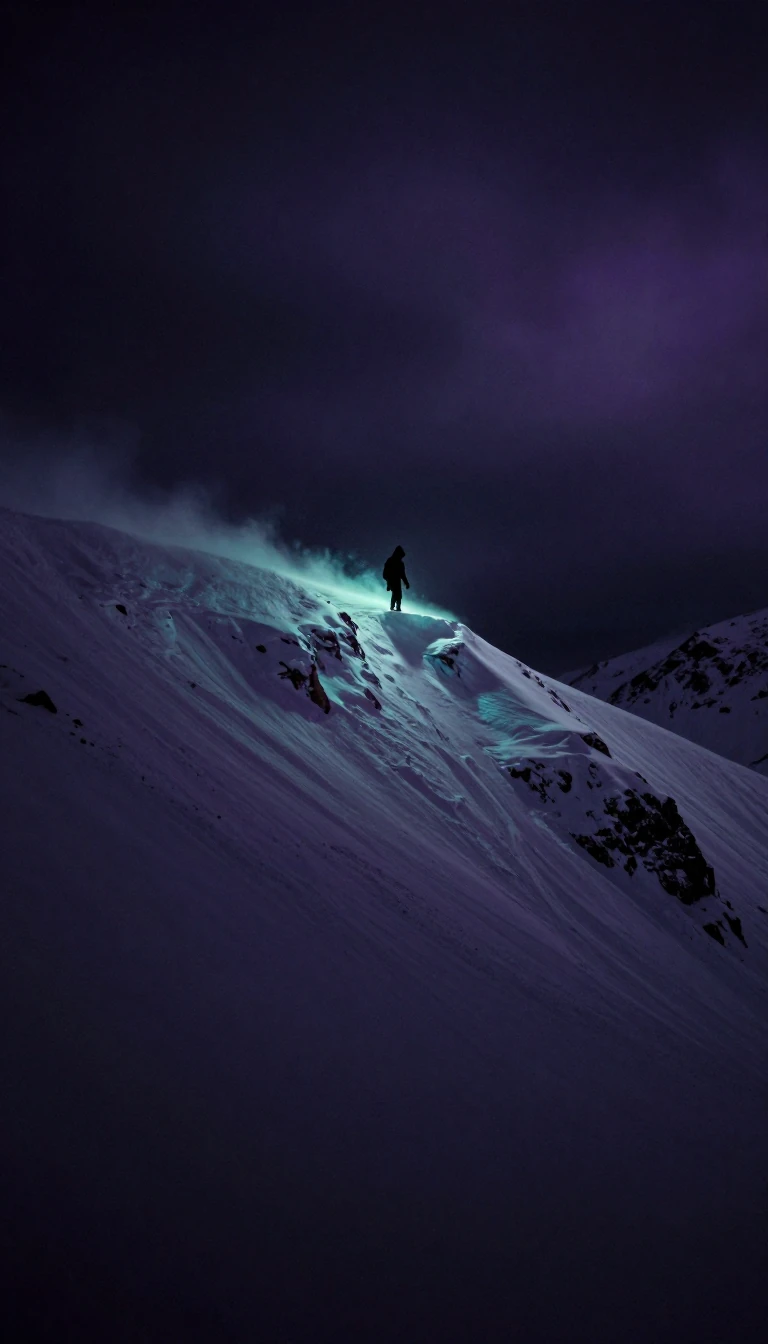
In short: Rising abruptly from the Pacific coast, Mount Saint Elias is a climber’s nightmare. Its extreme vertical gain and position in the path of relentless Aleutian storms create a volatile environment where whiteouts and hurricane-force winds can materialize in minutes, making it one of the most frequently failed expeditions in North America.
Standing at 18,008 feet (5,489 meters) on the border of Alaska and the Yukon, Mount Saint Elias is the second-highest peak in both Canada and the United States. Its geography is defined by an extraordinary vertical rise; the summit towers nearly 18,000 feet above the nearby Icy Bay within a horizontal distance of just 10 miles. This massive relief acts as a magnet for moisture-laden air masses from the Pacific, forcing them upward to generate intense, unpredictable snowfall. Annual precipitation in the region can exceed 280 inches, and storms often arrive with little warning, trapping climbers for weeks.
The mountain's Tlingit name, Yasʼéitʼaa Shaa, translates to 'mountain behind Icy Bay,' reflecting its deep cultural significance to the Kwaashkʼiḵwáan clan. European contact arrived in 1741 when Vitus Bering sighted the peak, though its reputation for danger kept it largely untouched until 1897, when the Duke of the Abruzzi led the first successful ascent. The technical difficulty remains high; there is no simple route to the top, and the mountain experiences snow in every month of the year. Winter conditions are particularly brutal, with wind chills plummeting to as low as -100 °F.
Because of these hazards, the mountain has a notoriously high failure rate. Even modern expeditions face immense challenges, such as the 1992 attempt that was abandoned after 20 feet of snow fell in less than three weeks. It took until 1996—nearly a century after the first summer summit—for a team to achieve the first winter ascent. Today, the peak remains a rare challenge for those who seek to test themselves against some of the most severe weather conditions found on any major mountain in North America.
The mountain is also a subject of local legend. The Yakutat Tlingit describe it as having once stood alongside Mount Fairweather, known as Tsalx̱aan, until an argument caused them to drift apart. The peaks between them are said to be their children. This blend of geological intensity and cultural history underscores why Mount Saint Elias remains a formidable, isolated sentinel on the northern coast.
Opens the Intellect+ feed with this card first. Swipe up for the next one.
Sources
- Summary by Intellect · source: Mount Saint Elias
- Also: Mount Saint Elias | Alaska, Yukon, Canada | Britannica
- Also: Wikidata — Mount Saint Elias · CC0
- Also: Wikidata — Mount Saint Elias · CC0
To cite this card, link to https://intellectplus.co.uk/app/places-mount-saint-elias.
How we source, check and correct cards: Editorial standards.
General information, not professional advice. Spotted an error? Flag the card or see corrections and complaints.
Intellect Plus is a visual educational discovery platform for exploring fascinating facts and ideas. Brain Food, Not Brain Rot. What is Intellect Plus?
Related
More in Mountain peaks and volcanos · More in Countries & Cities · Latest · A–Z · All topics
