Why is the least visited of China's Five Great Mountains the most authentic?
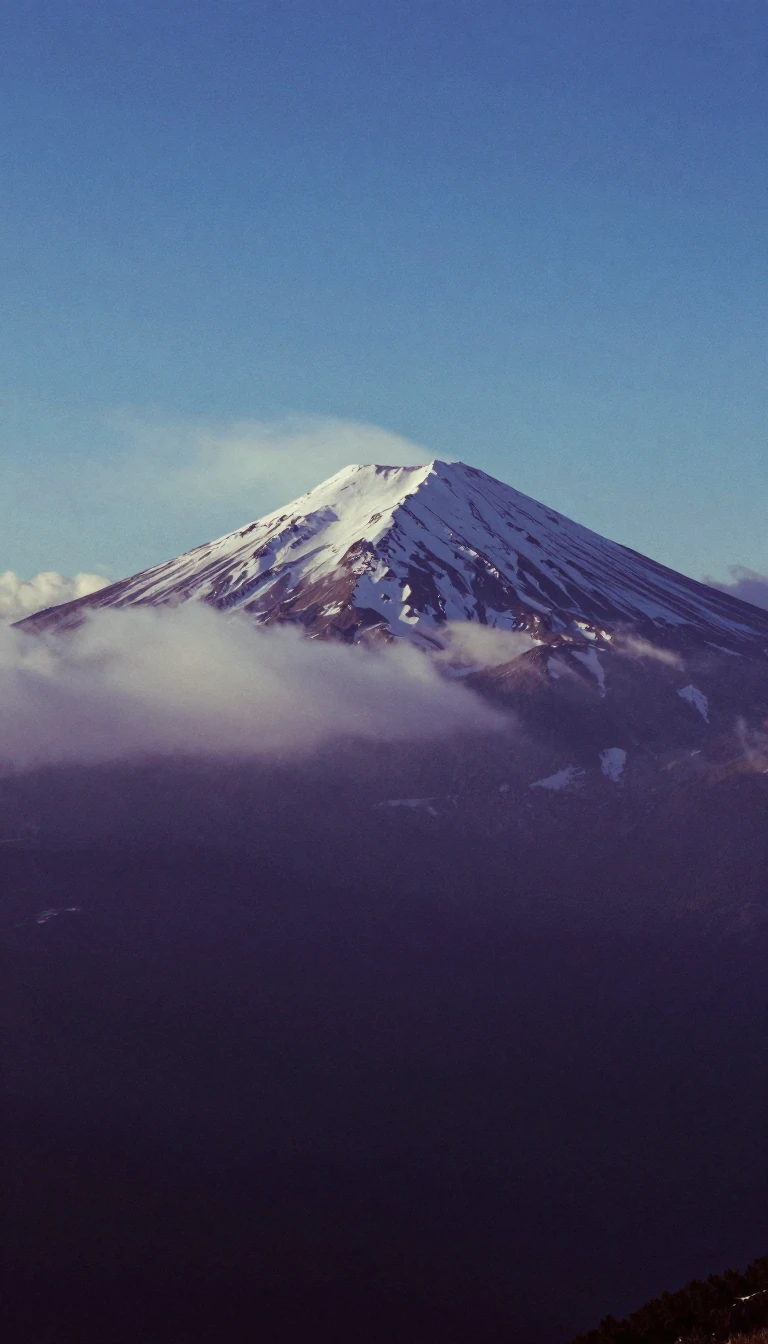
In short: Mount Heng in Shanxi Province holds a unique status among China's Five Great Mountains. While its peers draw massive crowds, Hengshan remains the smallest, least developed, and least commercialized of the group. Its isolation from the traditional centers of power has preserved a quiet, rugged sanctity that modern tourism hasn't touched.
Known as the Northern Heng Shan, this peak in north-central China has been considered sacred since the Zhou dynasty. Its history is distinct from the other four Great Mountains, largely because its northerly location frequently placed it under the control of non-Chinese nations. This geopolitical reality meant that, throughout history, the mountain experienced a weaker tradition of pilgrimage. Consequently, it remains the least visited of the five, offering a rare, unvarnished experience for those who make the journey.
The mountain's relative obscurity has acted as a shield against the commercialization that defines many other sacred sites in China. Visitors will find no hotels on the mountain itself, preserving the natural landscape of hemlocks, pines, elms, firs, poplars, and hawthorns. A round-trip hike to the main peak takes approximately three hours from the parking area, leading through cliffs adorned with temples and, in June, slopes fragrant with blooming lilacs. This lack of development is a direct result of its historical marginalization.
Despite its lower profile, the site maintains deep historical roots. During the Han dynasty, the Shrine of the Northern Peak was established on its slopes to honor the mountain god. Although the structure has been destroyed and rebuilt multiple times, it boasts an uninterrupted history of worship dating back to the Han era. During periods when the region was occupied by non-Han Chinese groups, the site of worship shifted to the Beiyue Temple in Quyang. Nearby, the famous Hanging Temple, constructed more than 1,500 years ago, remains a testament to the architectural ingenuity embedded into the mountain's cliffs.
The confusion between the Northern Heng Shan and the Southern Heng Shan in Hunan Province—which share the same Chinese pronunciation—further complicates the mountain's identity. While the Southern peak is also a sacred mountain, the Northern Heng Shan retains its character as a quiet, rugged outlier. It stands as a reminder that in the context of China's sacred geography, being the least famous often means being the most preserved.
Opens the Intellect+ feed with this card first. Swipe up for the next one.
Sources
- Summary by Intellect · source: Mount Heng (Shanxi)
To cite this card, link to https://intellectplus.co.uk/app/places-mount-heng-shanxi.
How we source, check and correct cards: Editorial standards.
General information, not professional advice. Spotted an error? Flag the card or see corrections and complaints.
Intellect Plus is a visual educational discovery platform for exploring fascinating facts and ideas. Brain Food, Not Brain Rot. What is Intellect Plus?
Related
More in Mountain peaks and volcanos · More in Countries & Cities · Latest · A–Z · All topics
