Why the ninth-highest mountain on Earth earned the terrifying nickname Killer Mountain
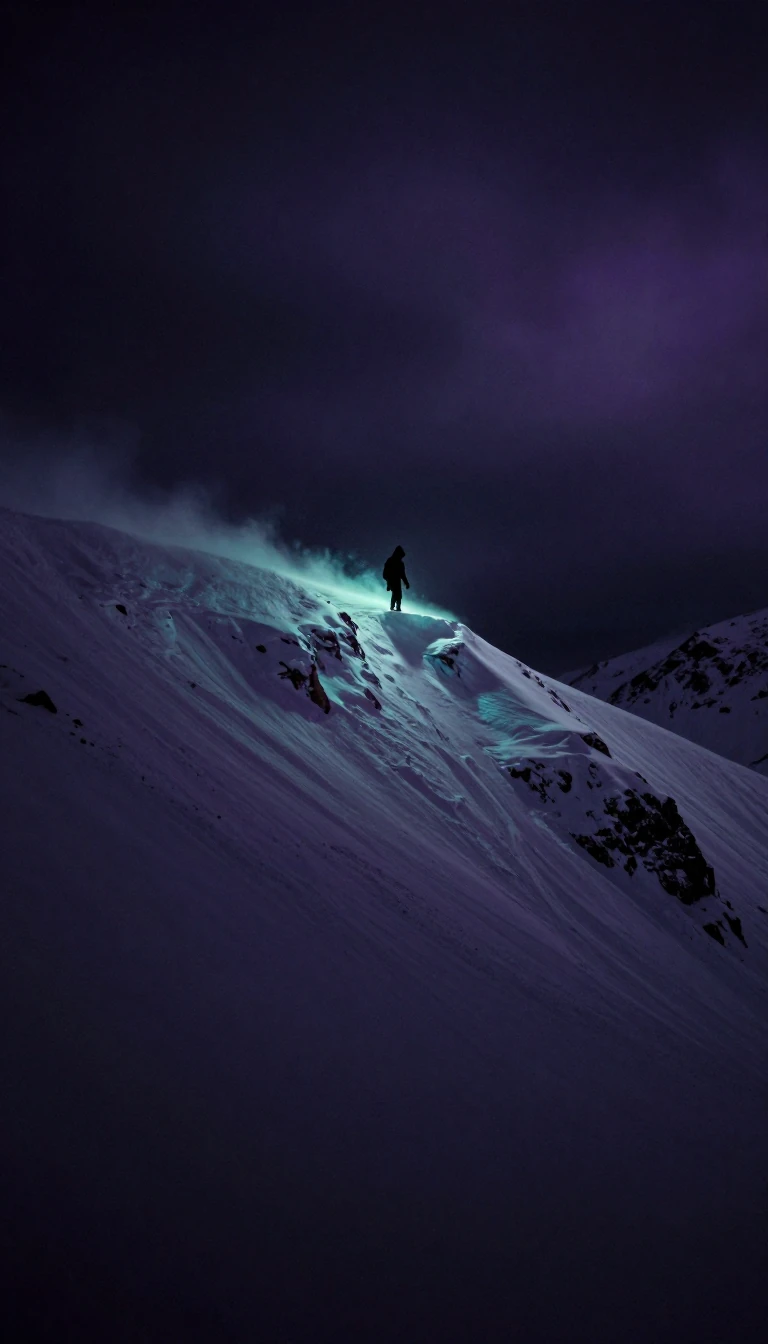
In short: Rising 8,126 meters above Pakistan, Nanga Parbat is a geological titan and a graveyard for the world's elite mountaineers. Known as the Naked Mountain, its extreme vertical relief and unpredictable avalanches have claimed dozens of lives, creating a legacy of tragedy that spans over a century of failed and fatal expeditions.
Nanga Parbat, the western anchor of the Himalayas, is a mountain of superlatives. Standing at 8,126 meters, it is the ninth-highest peak in the world and boasts the second-highest prominence of any mountain on Earth, surpassed only by Mount Everest. Its geography is defined by sheer verticality; the southern Rupal Face rises 4,600 meters from its base, while the northern Rakhiot Flank drops 7,000 meters toward the Indus River. This immense relief makes it one of the most challenging climbs globally, earning it the grim moniker Killer Mountain.
The mountain's history is marked by early, lethal attempts. In 1895, Albert F. Mummery led the first European expedition but perished while scouting the Rakhiot Face. Throughout the 1930s, the mountain became a focal point for German mountaineers, leading to a series of catastrophic disasters. In 1934, a storm trapped climbers at 7,480 meters, resulting in the deaths of three prominent German mountaineers and six Sherpas. By 1937, an avalanche at Camp IV buried sixteen men, including seven Germans and nine Sherpas. By the time Austrian climber Hermann Buhl achieved the first successful summit in 1953, at least 31 people had already died on its slopes.
Buhl’s 1953 ascent remains a singular feat of endurance. He completed the final 1,300 meters alone without supplemental oxygen, fueled by stimulants, and survived a night standing upright on a narrow ledge after losing a crampon. Despite the danger, the mountain continues to attract climbers. In 2024, Vadim Druelle set a speed record, reaching the summit from base camp in just 15 hours and 18 minutes. Yet, the mountain remains unforgiving; the first successful winter ascent did not occur until 2016, and the peak continues to claim lives, reminding all who approach that its beauty is matched only by its lethality.
Opens the Intellect+ feed with this card first. Swipe up for the next one.
Sources
- Summary by Intellect · source: Nanga Parbat
- Also: Wikidata — Nanga Parbat · CC0
- Also: www.britannica.com — Nanga Parbat | Himalayas, Karakoram, 8,126m | Britannica
- Also: Wikidata — Nanga Parbat · CC0
To cite this card, link to https://intellectplus.co.uk/app/places-nanga-parbat.
How we source, check and correct cards: Editorial standards.
General information, not professional advice. Spotted an error? Flag the card or see corrections and complaints.
Intellect Plus is a visual educational discovery platform for exploring fascinating facts and ideas. Brain Food, Not Brain Rot. What is Intellect Plus?
Related
More in Mountain peaks and volcanos · More in Countries & Cities · Latest · A–Z · All topics
