The elegant mute swan is a deceptively aggressive invader in North American waterways.
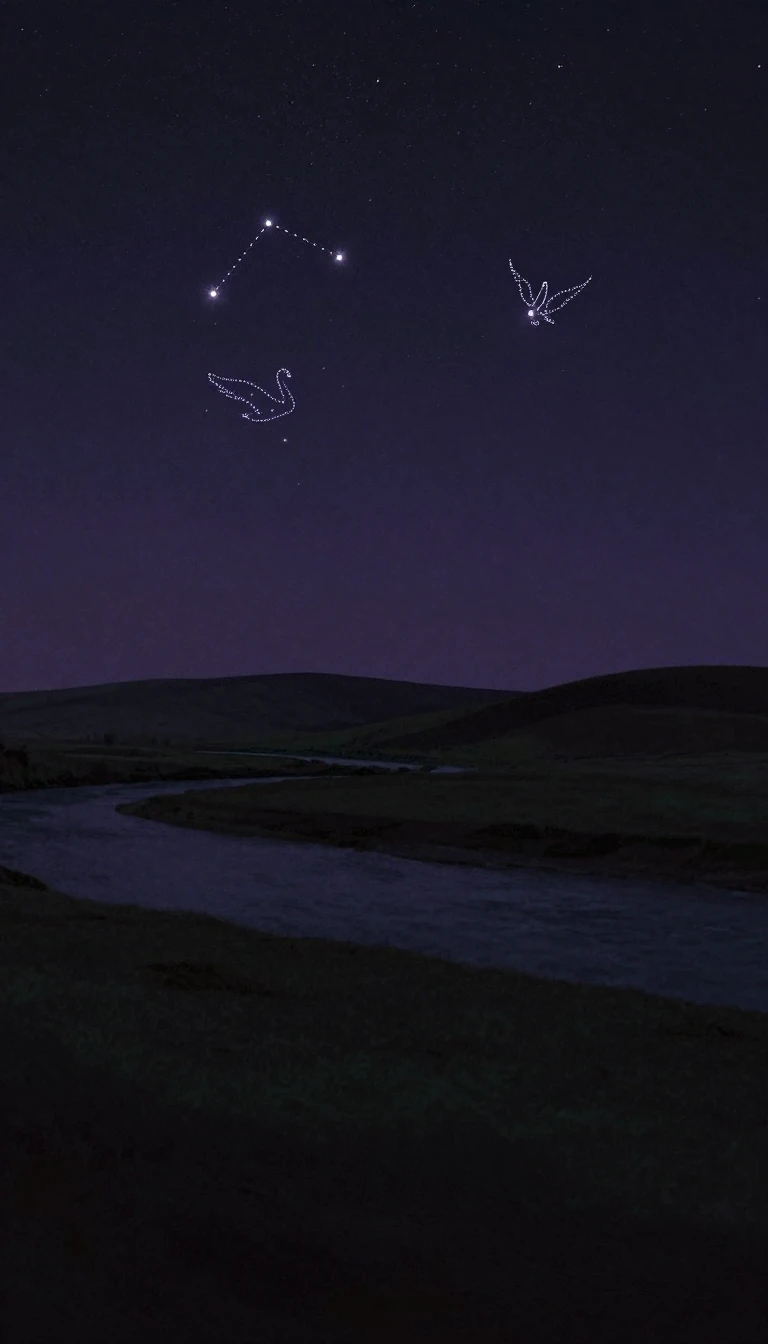
In short: Often associated with fairy tales and ballet, the mute swan is a non-native species in North America. While prized for its beauty and long-standing pair bonds, this large waterfowl poses significant risks to local ecosystems and humans alike, frequently displaying surprising aggression toward anyone venturing too close to its nest.
Imported from Europe between the mid-1800s and early 1900s to decorate city parks and private estates, the mute swan has since established wild populations across the Pacific Northwest, Great Lakes, Northeast, and Midatlantic regions. These birds are not native to the continent, and their presence has become a point of concern for conservationists. With voracious appetites, they consume up to 8 pounds of submerged aquatic vegetation daily, often outcompeting native species for food and habitat.
The species is known for its territorial nature, especially during the breeding season. They are notoriously protective, frequently attacking pedestrians, kayakers, and canoeists who wander near their nesting sites. Their ability to adapt to degraded environments is further bolstered by the proliferation of the invasive common reed, Phragmites australis. By nesting within these dense reed beds, the swans gain a strategic advantage, placing their eggs safely beyond the reach of many land-based predators.
Despite their reputation for being silent, mute swans are not truly mute; they grunt while feeding and hiss loudly when threatened. Their iconic appearance—defined by an S-shaped neck and orange bill with a black knob—belies a complex social structure. While they are generally monogamous, they will remate if a partner dies. In North America, the oldest recorded individual was a male found in Rhode Island at over 26 years of age, having been banded in 1962.
The species also exhibits interesting genetic variations, such as the 'Polish' morph, which features pinkish legs and white down in juveniles, a trait linked to a history of domestication. While they remain a symbol of grace in cultural lore, their impact on North American wetlands serves as a stark reminder of the ecological consequences that can follow the introduction of non-native species into established environments.
Opens the Intellect+ feed with this card first. Swipe up for the next one.
Sources
- Summary by Intellect · source: Mute Swan Overview, All About Birds, Cornell Lab of Ornithology
- Also: Mute swan
To cite this card, link to https://intellectplus.co.uk/app/places-mute-swan.
How we source, check and correct cards: Editorial standards.
General information, not professional advice. Spotted an error? Flag the card or see corrections and complaints.
Intellect Plus is a visual educational discovery platform for exploring fascinating facts and ideas. Brain Food, Not Brain Rot. What is Intellect Plus?
Related
More in Countries and other regions · More in Countries & Cities · Latest · A–Z · All topics
