The black swan was once a mythological impossibility, but it is a biological reality.
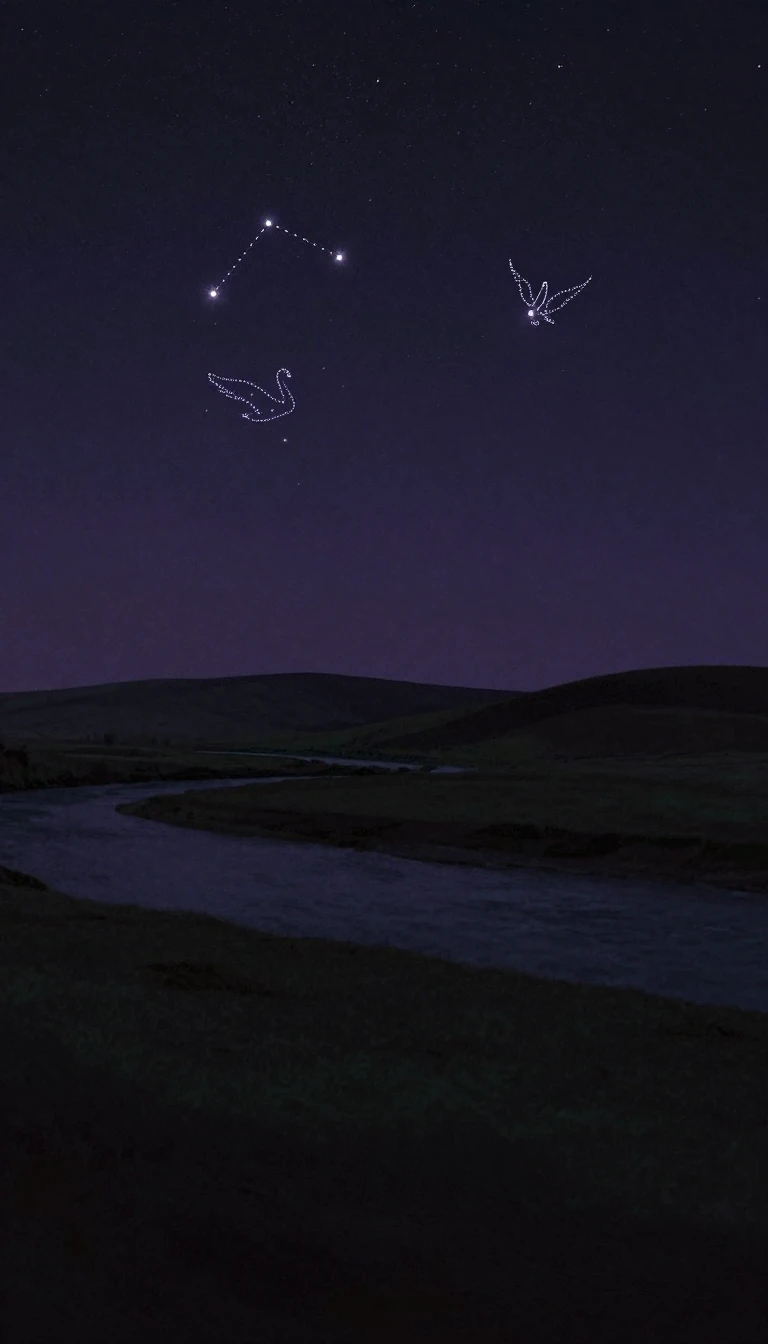
In short: Long before Europeans encountered the species in 1697, Western literature used the black swan as a metaphor for the impossible. Today, we know this Australian native as a highly nomadic, monogamous waterbird that defies traditional avian expectations through complex social structures, including frequent same-sex pairings and opportunistic, climate-driven migration.
For centuries, the black swan existed only as a literary device, a symbol of the non-existent in contrast to the familiar white mute swan. This changed in 1697 when Willem de Vlamingh’s expedition explored Western Australia’s Swan River, providing the first written description of the bird. Scientifically described by John Latham in 1790, the species, Cygnus atratus, is now recognized as a widespread and numerous bird, with a global population estimated at up to 500,000 individuals.
The black swan’s behavior is as distinct as its plumage. Unlike sedentary birds, it is highly nomadic, moving in response to rainfall and drought. In arid regions, they may abandon nests if dry conditions return before cygnets are raised. Their social lives are equally unconventional. While they are largely monogamous, about one-quarter of pairings are homosexual, typically between males who may steal nests or form temporary threesomes with females to secure eggs. Furthermore, recent research indicates that roughly one-third of all broods exhibit extra-pair paternity.
Beyond its biology, the black swan holds deep cultural significance, particularly in Australia. It has served as a symbol of antipodean identity since the early colonial period, appearing on Western Australia’s flag since 1870 and acting as the state’s official emblem. While it remains a protected species across Australia, its status as an ornamental bird led to its introduction in countries like New Zealand and Japan, and it continues to appear in European collections. Today, the term 'black swan' has transcended biology, famously becoming a theory for outlier events that defy expectation.
Opens the Intellect+ feed with this card first. Swipe up for the next one.
Sources
- Summary by Intellect · source: Black swan
To cite this card, link to https://intellectplus.co.uk/app/nature-black-swan.
How we source, check and correct cards: Editorial standards.
General information, not professional advice. Spotted an error? Flag the card or see corrections and complaints.
Intellect Plus is a visual educational discovery platform for exploring fascinating facts and ideas. Brain Food, Not Brain Rot. What is Intellect Plus?
Related
More in Vertebrates · More in Nature · Latest · A–Z · All topics
