How a mushroom-shaped stone gave its name to the capital of the Ryukyu Kingdom
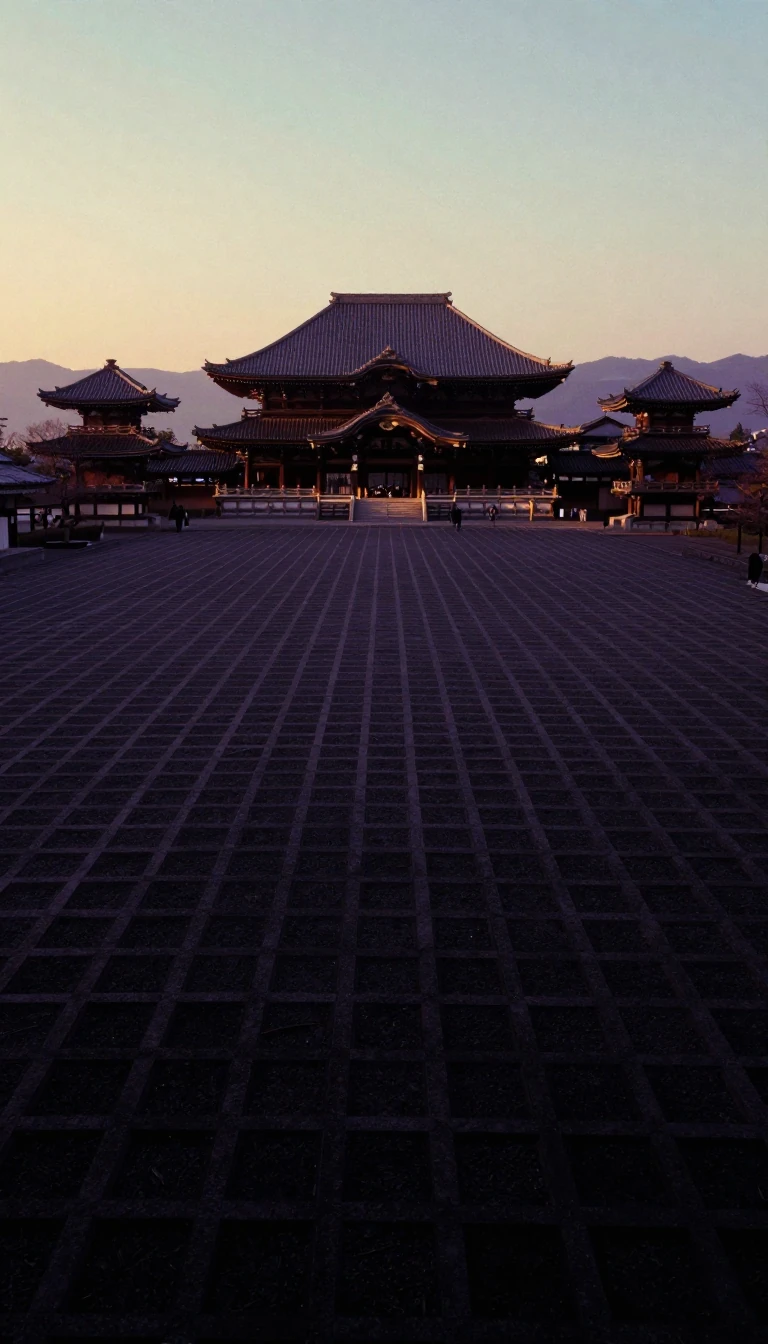
In short: Naha, the capital of Okinawa, evolved from a humble port on a tiny island into a bustling modern metropolis. Its name is said to derive from Naba, an ancient mushroom-shaped stone. Today, this city blends deep-rooted traditions, like the protective shisa lion dogs, with a vibrant, contemporary urban identity.
Naha’s history is inextricably linked to its geography. Originally, the city was situated on a small island called Ukishima, separated from the mainland of Okinawa by tidal mudflats. It served as a vital commercial hub for the Ryukyu Kingdom, functioning as a gateway for trade with the Japanese archipelago, the Korean peninsula, and China. The community of Kumemura, a center for classical Chinese learning, was established here, traditionally linked to 36 families sent by the Ming Imperial Court. Over time, the city expanded as the mudflats were filled in, eventually absorbing neighboring towns like Shuri, the former royal capital.
The city’s evolution reflects the broader history of the region. After the Ryukyu Kingdom was replaced by the Ryukyu Domain in 1872 and subsequently annexed by Japan as Okinawa Prefecture in 1879, Naha remained the administrative center. The 20th century brought immense challenges, particularly during the Battle of Okinawa in World War II, which caused extensive destruction. The city’s center required a complete reconstruction, yet it emerged as a resilient core city, officially designated as such in 2013, allowing it to manage significant public health responsibilities independently.
Modern Naha is a study in contrasts. The main thoroughfare, Kokusai-dōri, pulses with retail and tourism, while the Shintoshin district—formerly United States military housing—represents a newer commercial frontier developed since the mid-1990s. Despite this modernization, the city retains its cultural soul. Traditional practices, such as the martial art Naha-te and the ubiquitous presence of shisa statues, persist alongside contemporary infrastructure like the Yui Rail monorail. From the restored Shuri Castle to the bustling Makishi Public Market, Naha remains a vital intersection of Okinawan heritage and Japan’s southernmost economic engine.
Opens the Intellect+ feed with this card first. Swipe up for the next one.
Sources
- Summary by Intellect · source: Naha
- Also: Wikidata — Naha · CC0
- Also: Wikidata — Naha · CC0
To cite this card, link to https://intellectplus.co.uk/app/places-naha.
How we source, check and correct cards: Editorial standards.
General information, not professional advice. Spotted an error? Flag the card or see corrections and complaints.
Intellect Plus is a visual educational discovery platform for exploring fascinating facts and ideas. Brain Food, Not Brain Rot. What is Intellect Plus?
Related
More in Asia · More in Countries & Cities · Latest · A–Z · All topics
