How a tiny Illinois town became a booming metropolis and then a quiet relic
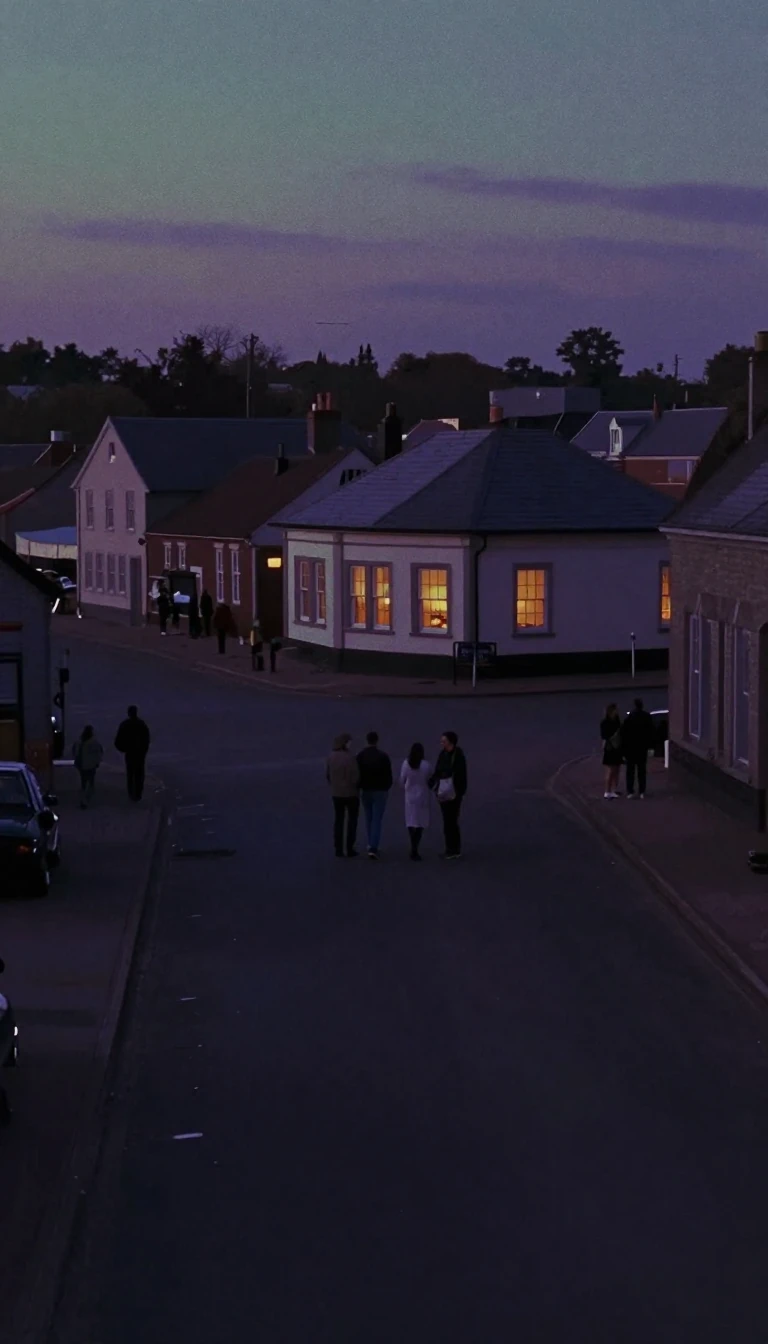
In short: Nauvoo, Illinois, once rivaled Chicago in size before its population plummeted. Today, this Mississippi River town is a living museum of religious history, utopian experiments, and German heritage. From a bustling 19th-century refuge to a modern tourism hub, Nauvoo remains a unique intersection of American faith and social ambition.
Originally known as Quashquame, the site was later named Commerce before Joseph Smith renamed it Nauvoo in 1840. The name, derived from the Hebrew word for beauty, marked a new beginning for Latter-day Saints fleeing conflict in Missouri. By 1844, the city had grown to 12,000 residents, matching the scale of Chicago at the time. However, following Smith's death, the community faced intense pressure, leading most followers to emigrate to the Great Salt Lake Valley.
The city's identity shifted repeatedly in the following decades. In 1849, Icarian followers of French philosopher Étienne Cabet established a utopian socialist commune, which lasted until 1856. Following their departure, Nauvoo became a German-speaking enclave for fifty years, famous for its wine-making and fruit production. This cultural legacy persisted until the onset of World War I, when public use of the German language began to fade, eventually disappearing by World War II.
Today, Nauvoo is defined by its role as a historical destination. The Church of Jesus Christ of Latter-day Saints has restored numerous sites, including the homes of early leaders like Brigham Young and Heber C. Kimball. In 2002, the Church completed a replica of the original temple on its historic site. While the city's permanent population has dwindled to 950 as of the 2020 census, it remains a significant site for religious tourism, often referred to as the 'Williamsburg of the Midwest.'
The landscape itself tells the story of these changes. The 'flats' near the river contain 19th-century brick houses and empty spaces where neighborhoods once stood, while the elevated 'uptown' area houses the rebuilt temple. Despite the loss of key industries and services, the city maintains its historic character through the efforts of organizations like Nauvoo Restoration, Inc., ensuring that the remnants of its diverse past remain accessible to the public.
Opens the Intellect+ feed with this card first. Swipe up for the next one.
Sources
- Summary by Intellect · source: Nauvoo, Illinois
- Also: Wikidata — Nauvoo · CC0
To cite this card, link to https://intellectplus.co.uk/app/places-nauvoo-illinois.
How we source, check and correct cards: Editorial standards.
General information, not professional advice. Spotted an error? Flag the card or see corrections and complaints.
Intellect Plus is a visual educational discovery platform for exploring fascinating facts and ideas. Brain Food, Not Brain Rot. What is Intellect Plus?
Related
More in Cities · More in Countries & Cities · Latest · A–Z · All topics
