How a Japanese port city escaped the atomic bomb and reinvented its landscape
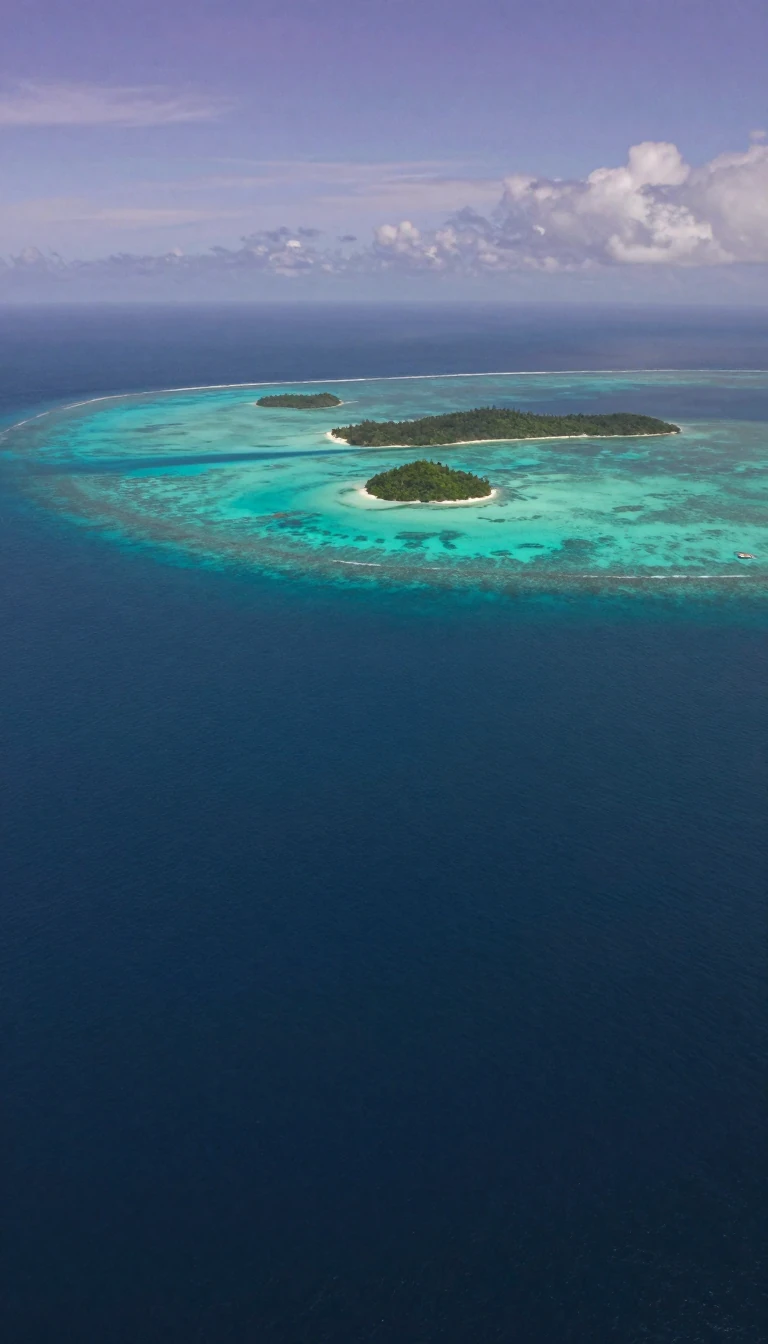
In short: Niigata was once a target for atomic destruction, yet it remained untouched by the firebombing that leveled other Japanese cities. Today, this resilient hub on the Sea of Japan is known for its vast rice fields, complex history of land reclamation, and a unique struggle with soil liquefaction.
Niigata’s history is defined by its relationship with water. Originally a lagoon at the mouth of the Shinano River, the city grew into a vital port and agricultural center. Its strategic importance led to its selection as one of five free treaty ports in 1858, though shallow waters delayed its opening until 1869. By the 20th century, its position between Tokyo and the Asian continent made it a critical military transit point. During World War II, it was designated as a potential atomic target alongside Hiroshima, Kokura, and Nagasaki. However, due to factors like poor weather and distance from B-29 bases, it was removed from the list, leaving it largely intact when the war ended.
The post-war era brought both prosperity and catastrophe. While the city’s oil industry thrived, it faced severe environmental and geological challenges. In 1964, a 7.5 magnitude earthquake caused widespread soil liquefaction, destroying thousands of buildings and forcing the city to pioneer new ground-improvement techniques. Simultaneously, the city grappled with the Niigata Minamata disease outbreak in 1965, caused by industrial mercury pollution. These events reshaped the city's infrastructure, including the 1964 decision to fill in its historic canal system—once lined with willow trees—to improve sanitation and traffic flow.
Today, Niigata is a government-designated city and a leader in large-scale agriculture, holding the greatest rice paddy acreage in Japan. It balances its identity as a modern regional hub, connected to Tokyo by the Joetsu Shinkansen, with its legacy as the City of Water and Willows. Despite its low-lying elevation and vulnerability to natural disasters, the city has evolved from a simple port town into a sophisticated metropolitan area that continues to manage its complex environment through advanced engineering and land management.
Opens the Intellect+ feed with this card first. Swipe up for the next one.
Sources
- Summary by Intellect · source: Niigata (city)
To cite this card, link to https://intellectplus.co.uk/app/places-niigata-city.
How we source, check and correct cards: Editorial standards.
General information, not professional advice. Spotted an error? Flag the card or see corrections and complaints.
Intellect Plus is a visual educational discovery platform for exploring fascinating facts and ideas. Brain Food, Not Brain Rot. What is Intellect Plus?
Related
More in Asia · More in Countries & Cities · Latest · A–Z · All topics
