How a narrow industrial strip became Japan's most populous non-capital city
In short: Kawasaki is a geographical anomaly, squeezed between Tokyo and Yokohama as a vital industrial corridor. Despite lacking the status of a prefectural capital, it has grown into a massive urban center of over 1.5 million people, evolving from a pilgrimage stop into a global hub for heavy industry and technology.
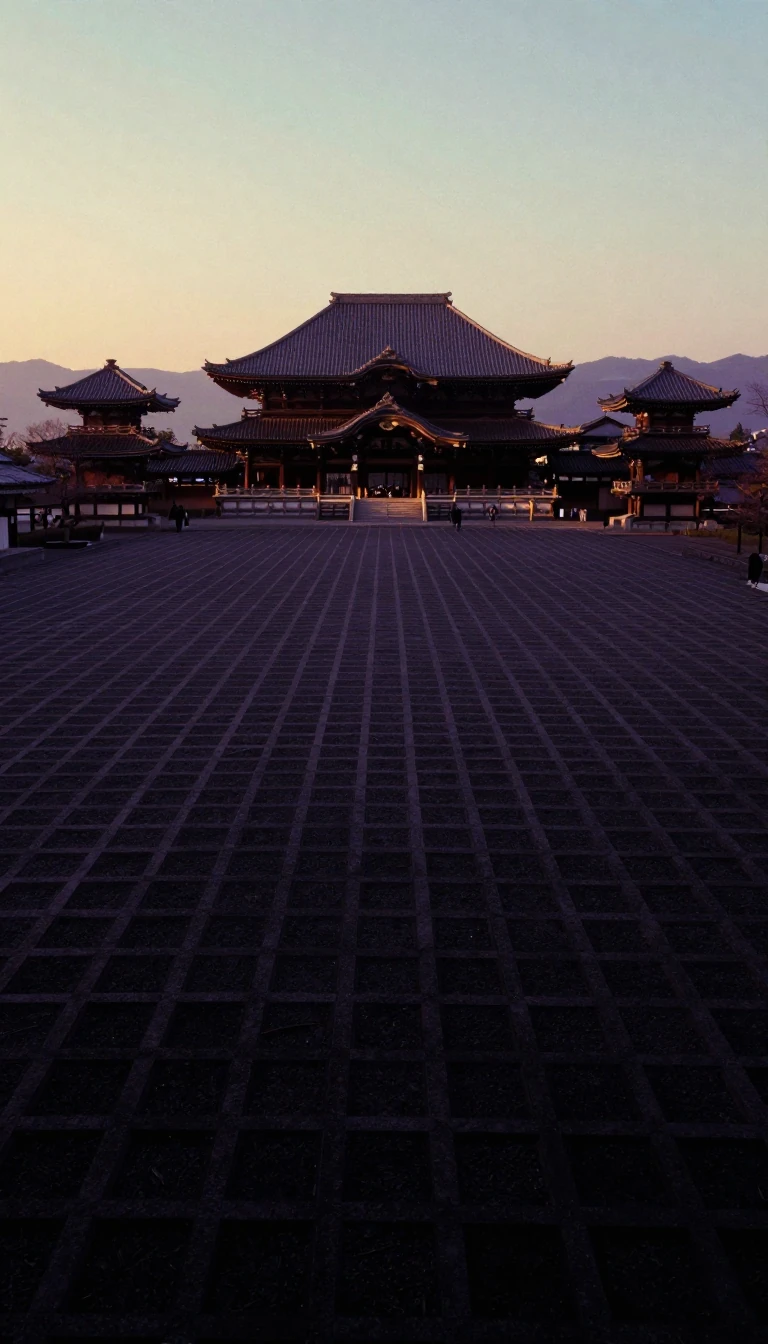
Kawasaki’s identity is defined by its unique position along the Tama River and Tokyo Bay. Historically, the area served as a modest supply point for pilgrims visiting the Heiken-ji temple, founded in 1128. Its transformation began in earnest during the Meiji and Taishō eras with the establishment of the Tōkaidō Main Line in 1872. By the early 20th century, the city had solidified its role as a cornerstone of the Keihin Industrial Area, a status that made it a significant target during World War II. The city suffered intense aerial bombardment in 1945, which destroyed over a third of its urban footprint.
The postwar era saw Kawasaki reinvent itself through rapid urbanization and economic shifts. While the eastern coast remains a powerhouse for heavy industry and high-tech firms like Fujitsu and Toshiba, the western Tama Hills have transitioned into dense residential zones for commuters. This dual nature—industrial port and suburban bedroom community—is supported by an intricate network of canals and rail lines that connect it seamlessly to the broader Greater Tokyo Area. In 1972, it achieved the status of a decree-designated city, and by 1973, its population surpassed one million.
Today, Kawasaki is a city of contrasts. It balances its industrial heritage with a vibrant cultural scene, ranging from the traditional Kanamara Matsuri at Kanayama Shrine to the pop-culture-focused Fujiko F. Fujio Museum. It is also a pioneer in local governance; in 2008, it became the second Japanese city to allow foreign residents to participate in municipal referendums. As deindustrialization continues, the city is actively converting former factory sites into multi-family housing, ensuring that its population density remains among the highest in the nation.
Opens the Intellect+ feed with this card first. Swipe up for the next one.
Sources
- Summary by Intellect · source: Kawasaki, Kanagawa
- Also: Wikidata — Kawasaki · CC0
To cite this card, link to https://intellectplus.co.uk/app/places-kawasaki-kanagawa.
How we source, check and correct cards: Editorial standards.
General information, not professional advice. Spotted an error? Flag the card or see corrections and complaints.
Intellect Plus is a visual educational discovery platform for exploring fascinating facts and ideas. Brain Food, Not Brain Rot. What is Intellect Plus?
Related
More in Asia · More in Countries & Cities · Latest · A–Z · All topics
