North Yorkshire is a land of dramatic contrasts, from glacial plains to rugged peaks.
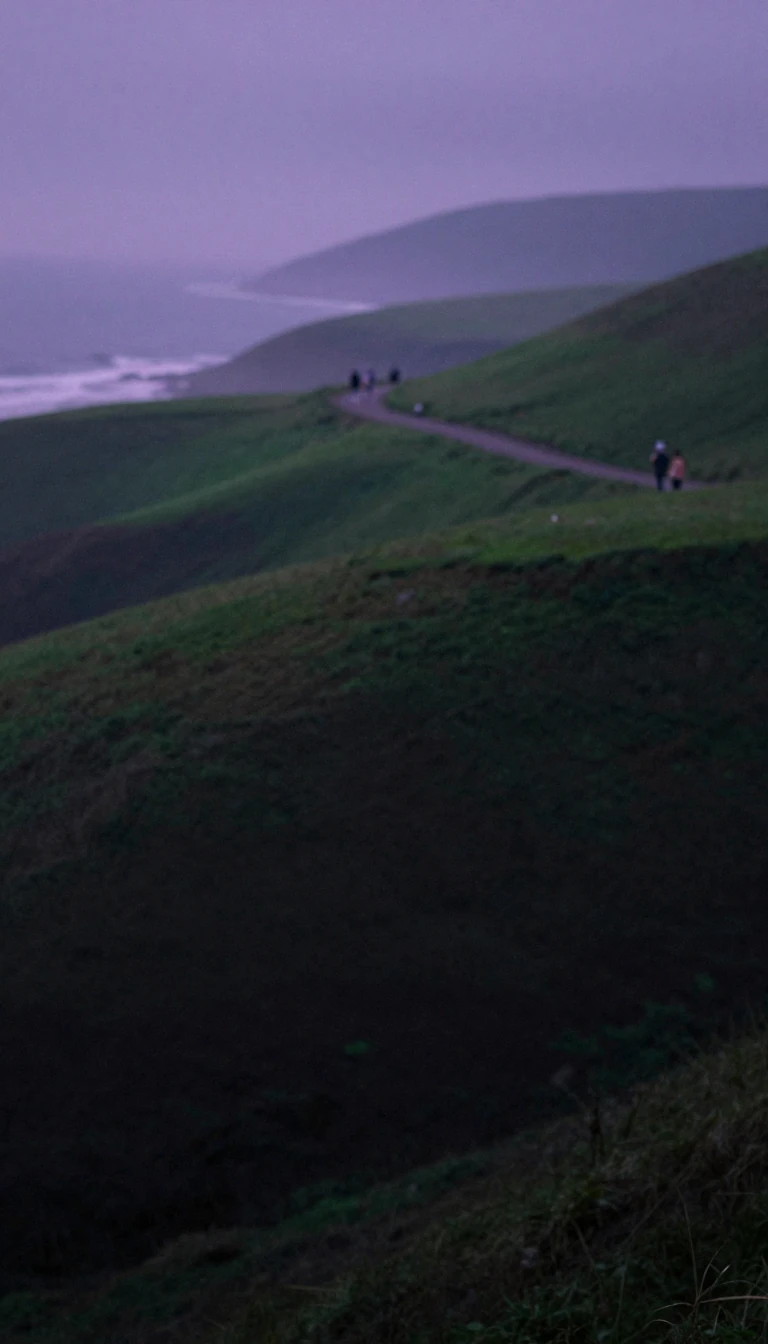
In short: Spanning from the high, sheep-grazed moorlands of the Pennines to the industrial estuaries of the Tees, North Yorkshire is a county defined by its geography. It balances ancient agricultural traditions with high-tech industry and tourism, all while housing some of England's most significant protected landscapes and historic heritage sites.
North Yorkshire is a complex administrative and geographic entity. While the administrative county is divided into districts such as Craven, Hambleton, and Harrogate, the broader geographic county encompasses unitary authorities like Middlesbrough, Redcar and Cleveland, and York. At its heart lies the town of Northallerton, the county seat. The landscape is split by the Vale of York, a fertile lowland of glacial clay that separates two distinct upland masses: the Pennines in the west and the North York Moors and Cleveland Hills in the east.
The western uplands, reaching elevations exceeding 2,200 feet at peaks like Mickle Fell and Ingleborough, are carved by the deep valleys known as dales. These wetter areas are hubs for dairy farming, while the higher, drier moorlands are dominated by hill sheep farming. In contrast, the Vale of York serves as a major agricultural engine for grain production. The eastern region, characterized by limestone and sandstone, drops toward the North Sea in a dramatic escarpment, creating a varied terrain that supports both traditional farming and a thriving tourist sector centered on national parks.
Economic activity in the county is as diverse as its geology. While agriculture remains a cornerstone, the Tees estuary is a powerhouse of heavy manufacturing, including steel mills and petroleum refining. Meanwhile, towns like York and Harrogate have pivoted toward service industries, research, and high-technology firms. The county also serves as a vital transit corridor, with major road and rail links connecting London and Edinburgh. Beyond its industry, the area is rich in history, exemplified by the Studley Royal Water Garden, which earned UNESCO World Heritage status in 1986, reflecting the region's enduring cultural and natural significance.
Opens the Intellect+ feed with this card first. Swipe up for the next one.
Sources
- Summary by Intellect · source: North Yorkshire | County in Northern England | Britannica
- Also: North Yorkshire
To cite this card, link to https://intellectplus.co.uk/app/places-north-yorkshire.
How we source, check and correct cards: Editorial standards.
General information, not professional advice. Spotted an error? Flag the card or see corrections and complaints.
Intellect Plus is a visual educational discovery platform for exploring fascinating facts and ideas. Brain Food, Not Brain Rot. What is Intellect Plus?
Related
More in Regions and country subdivisions · More in Countries & Cities · Latest · A–Z · All topics
