Brazil's North Region is a vast, biodiverse frontier larger than the entire European Union.
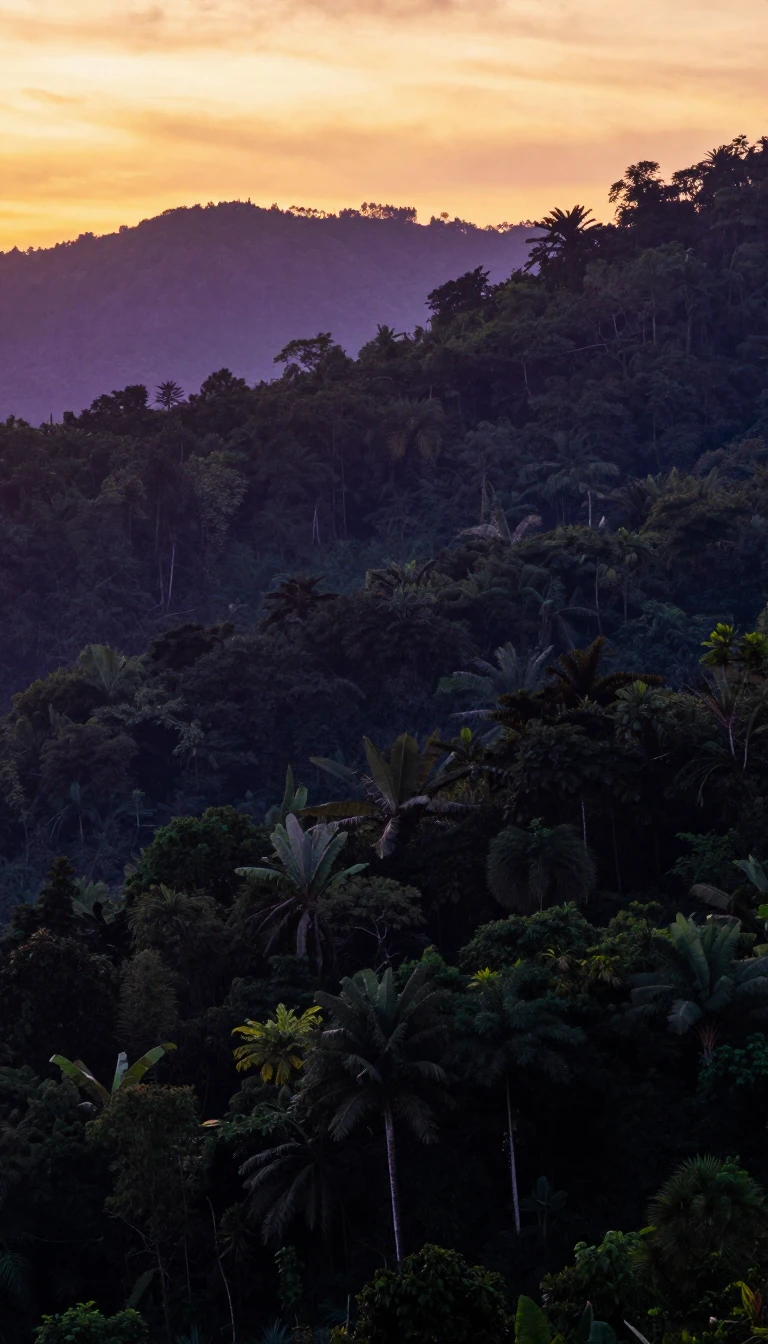
In short: Covering nearly half of Brazil, the North Region is a sparsely populated expanse of tropical rainforest and river networks. While it holds unparalleled biological wealth, its history is defined by waves of extraction, colonial missions, and ambitious state-led integration projects that continue to reshape this equatorial landscape today.
The North Region spans 45.27% of Brazil, encompassing seven states: Acre, Amapá, Amazonas, Pará, Rondônia, Roraima, and Tocantins. Despite its massive scale, it remains the country's least densely populated area, with only 4.5 inhabitants per square kilometer. The region's geography is dominated by the Amazon, which contains the world's largest and most species-rich tropical rainforest. This biome supports over one-third of global species, including an estimated 2.5 million types of insects and thousands of distinct birds and mammals.
Human history in the region began with diverse indigenous tribes long before European arrival. Colonial efforts intensified in the 17th century as the Portuguese established military outposts like Belém in 1616 to defend their interests. Subsequent centuries saw cycles of boom and bust, most notably the rubber monopoly between 1840 and 1910, which drew migrants from across Brazil. This era fundamentally altered the demographic landscape, fostering the Caboclo identity—a blend of indigenous, European, and African heritage—while simultaneously reducing indigenous populations and local biodiversity.
Modern development accelerated during the 1960s, 1970s, and 1980s, when military governments prioritized regional integration through massive infrastructure projects like the BR-010 highway and the creation of the Manaus Free Economic Zone. Today, the economy relies on a mix of mineral extraction, such as iron from the Carajás range, and the harvest of forest products like açaí and latex. Despite these industrial efforts, the region remains physically isolated, with transportation heavily dependent on river travel and aviation, connecting remote outposts to the wider world.
Opens the Intellect+ feed with this card first. Swipe up for the next one.
Sources
- Summary by Intellect · source: North Region, Brazil
To cite this card, link to https://intellectplus.co.uk/app/places-north-region-brazil.
How we source, check and correct cards: Editorial standards.
General information, not professional advice. Spotted an error? Flag the card or see corrections and complaints.
Intellect Plus is a visual educational discovery platform for exploring fascinating facts and ideas. Brain Food, Not Brain Rot. What is Intellect Plus?
Related
More in Regions and country subdivisions · More in Countries & Cities · Latest · A–Z · All topics
