The Okavango Delta is a massive, life-giving oasis that never reaches the ocean.
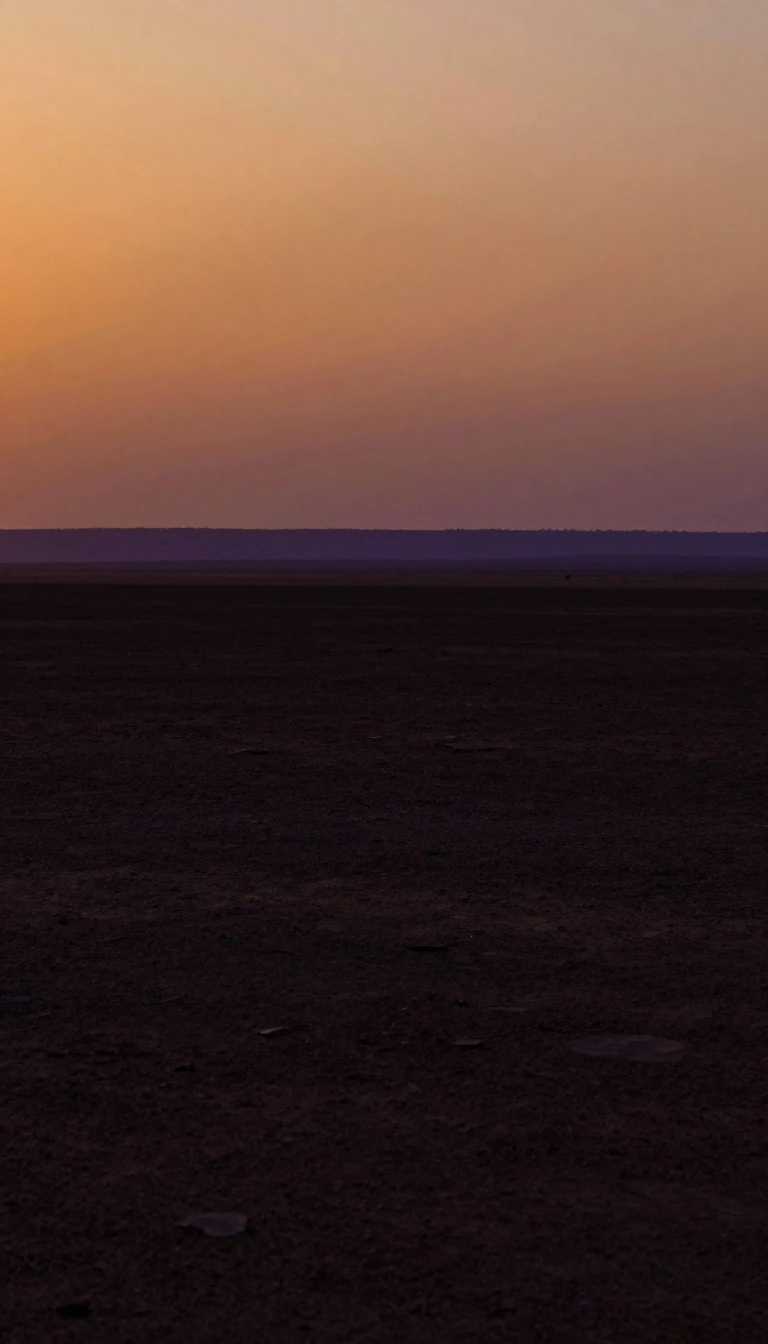
In short: In the heart of the Kalahari Desert, the Okavango River vanishes into a vast, inland delta rather than flowing to the sea. This seasonal wetland swells to three times its size during the dry winter, transforming an arid landscape into one of Africa’s most concentrated wildlife sanctuaries and a UNESCO treasure.
Formed where the Okavango River meets a tectonic trough, the delta is a unique hydrological system. Nearly all of the 11 cubic kilometers of water that enter the basin annually are lost to evaporation and transpiration, with only a tiny fraction exiting through the Thamalakane and Boteti rivers. Because the river carries almost no mud, the delta’s lush vegetation acts as a biological glue, trapping sand to build islands and levees that sustain a complex mosaic of permanent swamps and seasonal floodplains.
The delta’s pulse is dictated by the seasons. Water from summer rains in the Angolan highlands takes about a month to reach Botswana, spreading across the delta between March and June. By the time floodwaters peak in the dry months of June to August, the region becomes a critical refuge for wildlife. It hosts an immense variety of species, including the big five game animals and over 400 types of birds. The area is also a vital habitat for the red lechwe, the most abundant large mammal in the delta, with estimates suggesting a population of 88,000.
Human history in the delta is as dynamic as its waters. Five distinct ethnic groups—the Hambukushu, Dceriku, Bugakhwe, ǁanikhwe, and Wayeyi—have long relied on the region's resources through fishing, hunting, and agriculture. Since the late 18th century, the Batawana have held political control, though the presence of the tsetse fly historically dictated where human settlements could thrive. Today, the delta is a protected UNESCO World Heritage Site, balancing its role as a biodiversity hotspot with a high-cost, low-volume tourism model designed to preserve its fragile, intact ecosystem.
Opens the Intellect+ feed with this card first. Swipe up for the next one.
Sources
- Summary by Intellect · source: Okavango Delta
- Also: Wikidata — Okavango Delta · CC0
To cite this card, link to https://intellectplus.co.uk/app/places-okavango-delta.
How we source, check and correct cards: Editorial standards.
General information, not professional advice. Spotted an error? Flag the card or see corrections and complaints.
Intellect Plus is a visual educational discovery platform for exploring fascinating facts and ideas. Brain Food, Not Brain Rot. What is Intellect Plus?
Related
More in World Heritage Sites · More in Countries & Cities · Latest · A–Z · All topics
