Why Canada’s most historic district was almost demolished in the nineteenth century
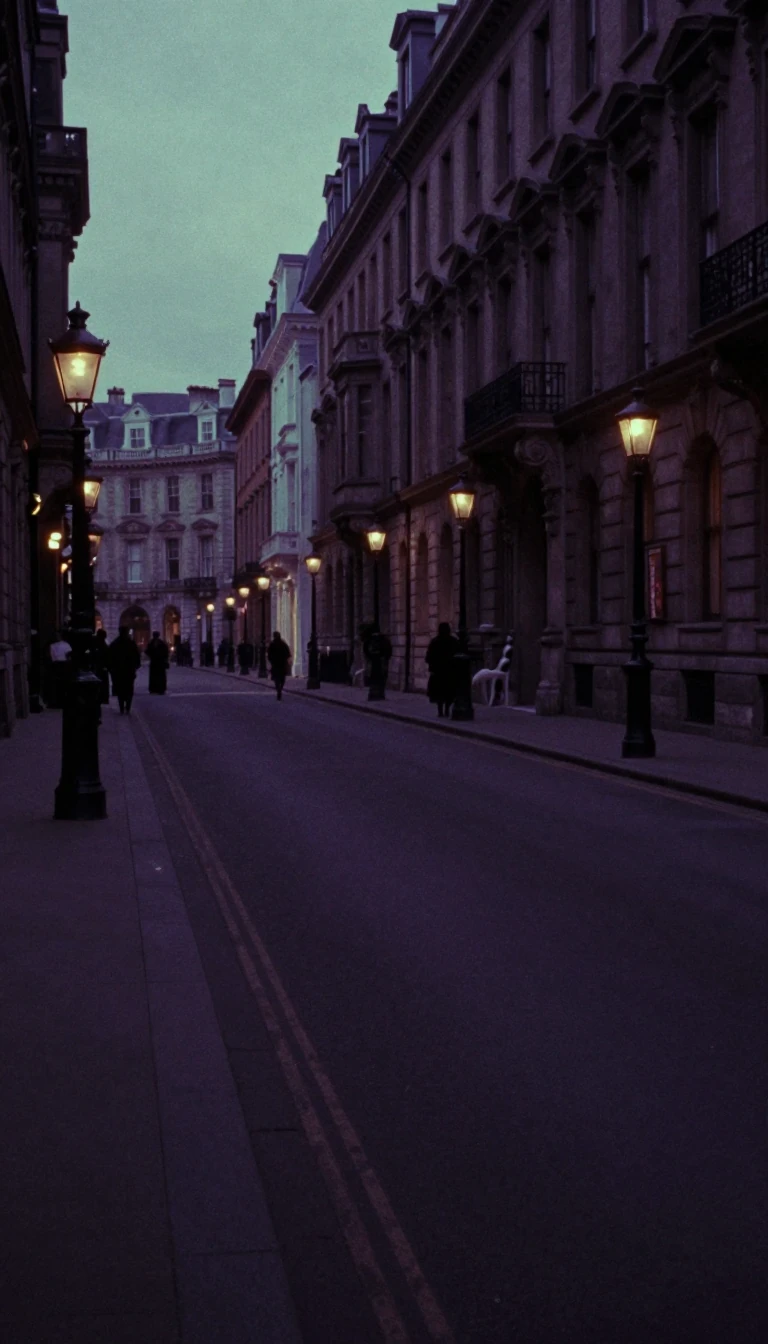
In short: Old Quebec is a UNESCO World Heritage Site today, but it narrowly escaped destruction. In the late 1800s, officials viewed its iconic fortifications as obsolete obstacles to urban growth. Only the intervention of Lord Dufferin saved these historic walls, preserving a unique landscape that spans centuries of colonial history.
Old Quebec, a historic neighbourhood in Quebec City, is divided into the Upper Town and the Lower Town. The Upper Town, situated atop the promontory of Cap Diamant, was chosen by Samuel de Champlain in 1608 as the site for Fort Saint Louis. It served as the city’s administrative and military heart, eventually becoming a hub for British officials and clergy. In contrast, the Lower Town, located at the base of the cliffs, became the commercial centre for merchants and artisans.
The district’s survival was not guaranteed. By the late 19th century, the fortifications were considered a hindrance to development, and a movement to demolish them gained traction. Lord Dufferin, however, successfully campaigned to preserve and rebuild these structures. Despite this victory, the area later fell into disrepair during the 1950s. Public debates regarding the preservation of the district and the restoration of Place Royale occurred between 1945 and 1965, leading to a renewed focus on the area's cultural significance.
Formal protection arrived in 1963 when the National Assembly of Quebec established the area as a Declared Historic District. This designation was expanded in 1964, eventually covering 1.42 square kilometres and including 1,400 buildings. The district’s global importance was cemented on December 3, 1985, when UNESCO officially named it a World Heritage Site. Today, the area remains a popular destination, featuring landmarks like the Château Frontenac and the historic Gare du Palais, which opened in 1915.
The architecture of Old Quebec reflects its long history, with most buildings dating to the 19th century, though some structures originate from the 17th and 18th centuries. The Lower Town, in particular, has been restored to reflect its French origins, exemplified by the Church of Notre-Dame-des-Victoires, which began construction in 1687 and was completed in 1723. This blend of military history, colonial architecture, and deliberate preservation efforts makes Old Quebec a singular example of North American heritage.
Opens the Intellect+ feed with this card first. Swipe up for the next one.
Sources
- Summary by Intellect · source: Old Quebec
- Also: Wikidata — Old Quebec · CC0
- Also: Wikidata — Old Quebec Street · CC0
To cite this card, link to https://intellectplus.co.uk/app/places-old-quebec.
How we source, check and correct cards: Editorial standards.
General information, not professional advice. Spotted an error? Flag the card or see corrections and complaints.
Intellect Plus is a visual educational discovery platform for exploring fascinating facts and ideas. Brain Food, Not Brain Rot. What is Intellect Plus?
Related
More in World Heritage Sites · More in Countries & Cities · Latest · A–Z · All topics
