How a sixteenth-century Italian vision created the perfect Polish Renaissance town
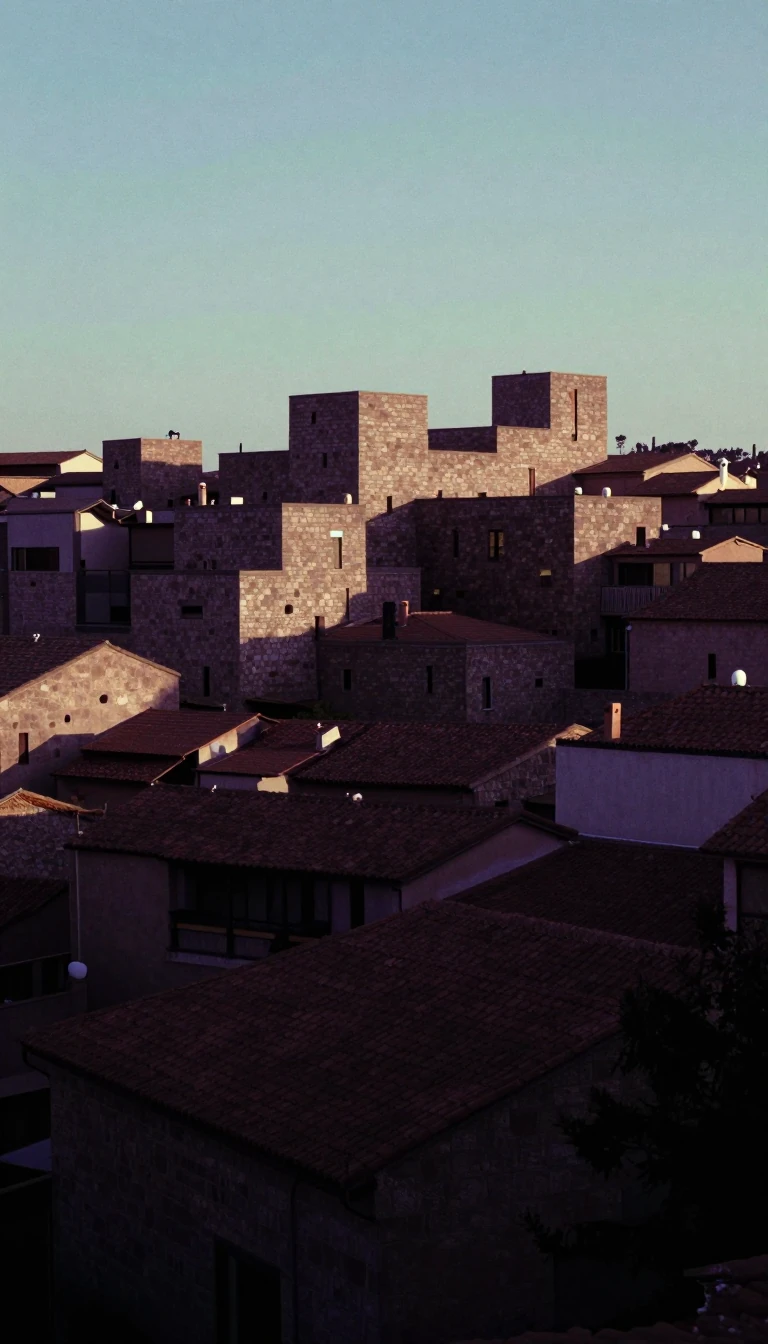
In short: Zamość stands as a rare, preserved masterpiece of urban planning. Built in the late 1500s, this city was designed to embody the Italian concept of an ideal town. By blending Mediterranean aesthetics with local traditions, it remains a unique architectural time capsule that has survived largely unchanged for centuries.
Commissioned by Jan Zamoyski and brought to life by architect Bernardo Morando, Zamość was constructed during the late 16th century. The project was rooted in Italian theories regarding the ideal urban environment. Morando utilized a hexagonal layout, carefully dividing the space into two primary zones: one dedicated to noble residences on the west, and the town center on the east. This structural logic remains visible today, as the city has retained its original fortifications and street patterns.
The town is organized around three distinct public plazas, each serving a specific function. The architecture itself is a deliberate fusion of styles, merging Mannerist influences with Central European customs. A defining feature of this synthesis is the presence of arcaded galleries, which line the squares to provide covered walkways in front of commercial shops. This design choice highlights the practical yet aesthetic considerations that guided the city's development, earning it a place on the UNESCO World Heritage list in 1992.
Beyond its layout, the district contains approximately 200 significant monuments. Notable structures include the City Hall, the Cathedral, the Synagogue, the Academy, and the Palace. These buildings, along with the surrounding residential tenements, contribute to the site's status as a national Historic Monument, a designation it received in 1994. The area spans 75 hectares, supported by a 200-hectare buffer zone, ensuring that the integrity of this Renaissance ensemble is protected for future study and appreciation.
The World Heritage Committee recognized Zamość for its ability to illustrate a pivotal stage in human history. By successfully integrating Italian design principles with regional traditions, the city serves as a living example of Renaissance planning. Its preservation allows observers to see how theoretical concepts of the ideal town were translated into a functional, enduring reality that continues to define the character of the region.
Opens the Intellect+ feed with this card first. Swipe up for the next one.
Sources
- Summary by Intellect · source: Old City (Zamość)
To cite this card, link to https://intellectplus.co.uk/app/places-old-city-zamo.
How we source, check and correct cards: Editorial standards.
General information, not professional advice. Spotted an error? Flag the card or see corrections and complaints.
Intellect Plus is a visual educational discovery platform for exploring fascinating facts and ideas. Brain Food, Not Brain Rot. What is Intellect Plus?
Related
More in World Heritage Sites · More in Countries & Cities · Latest · A–Z · All topics
