Why this Galician capital remains a masterpiece of medieval urban planning and spiritual devotion
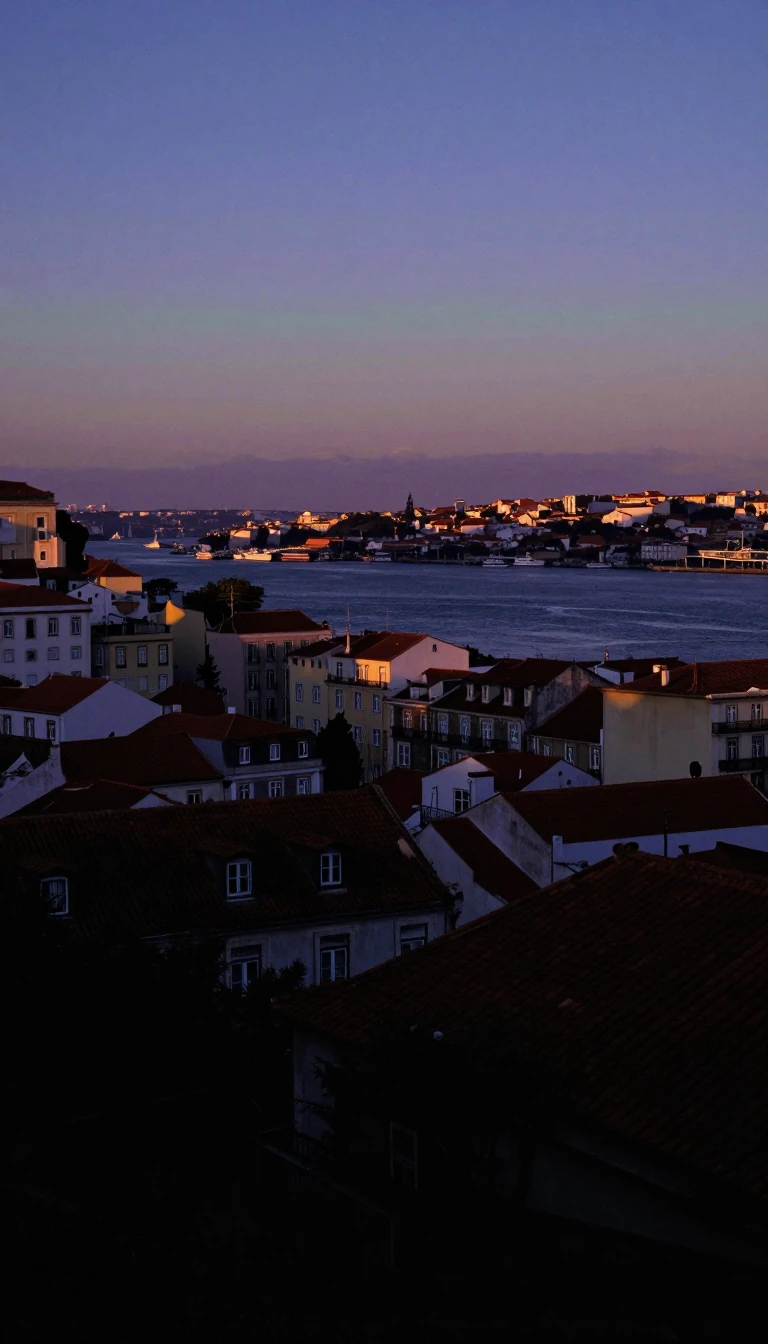
In short: The historic heart of Santiago de Compostela is more than just a collection of ancient stone. It is a living testament to centuries of pilgrimage, architectural evolution, and human belief. Recognized by UNESCO for its profound cultural impact, this urban landscape continues to define the intersection of faith and artistry.
The city's development is inextricably linked to the discovery of the tomb of the apostle James in 813. This event transformed the site into a focal point for millions of pilgrims, sparking a movement that became one of the most significant phenomena in medieval history. The urban fabric grew organically around the cathedral, creating a dense, monumental environment that reflects the spiritual fervor of the Middle Ages.
UNESCO designated the area a World Heritage Site in 1985, citing three specific criteria for its inclusion. It is recognized as a masterpiece of human creative genius, a witness to significant cultural exchanges in architecture and urban planning, and a place tangibly associated with beliefs and traditions of exceptional universal importance. These layers of history are visible in the city's diverse architectural styles, which span the Romanesque, Gothic, and Baroque periods.
The resulting aesthetic is a harmonious blend of styles that elevates the city into one of the most beautiful urban spaces globally. Beyond its visual splendor, the site serves as a physical record of how religious devotion shaped European landscape design and monumental arts. By preserving these structures, the city maintains a direct connection to the ideas and artistic works that defined its growth over centuries of continuous use.
While the architecture is often the primary focus for visitors, the true significance lies in the persistence of the pilgrimage tradition. The city remains a place of worship where the past is not merely observed but actively experienced. This ongoing relevance is why the committee emphasized the importance of the site's association with living traditions, ensuring that its status as a cultural landmark remains rooted in its original purpose.
Opens the Intellect+ feed with this card first. Swipe up for the next one.
Sources
- Summary by Intellect · source: Old Town of Santiago de Compostela
To cite this card, link to https://intellectplus.co.uk/app/places-old-town-of-santiago-de-compostela.
How we source, check and correct cards: Editorial standards.
General information, not professional advice. Spotted an error? Flag the card or see corrections and complaints.
Intellect Plus is a visual educational discovery platform for exploring fascinating facts and ideas. Brain Food, Not Brain Rot. What is Intellect Plus?
Related
More in World Heritage Sites · More in Countries & Cities · Latest · A–Z · All topics
