Oromia is Ethiopia's most populous region, a vast landscape of history and economic power.
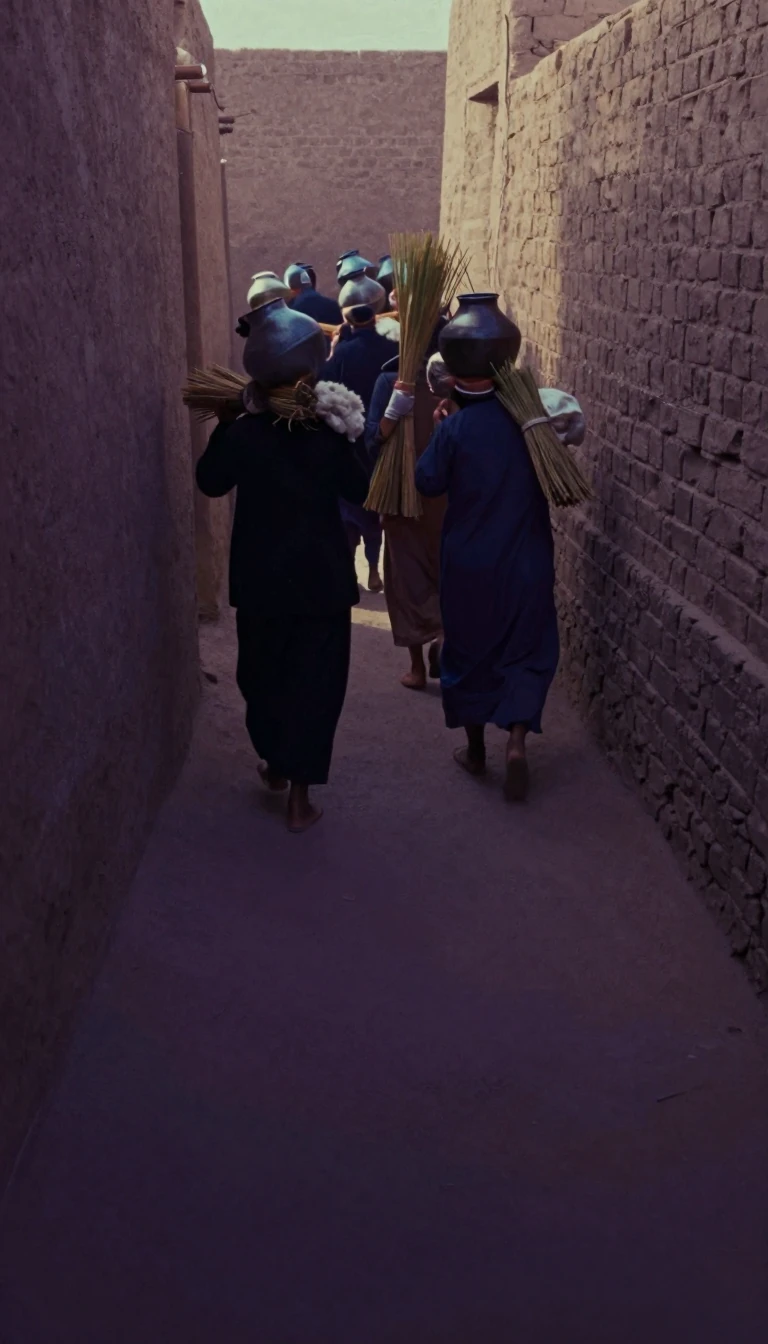
In short: Spanning over 350,000 square kilometres, Oromia is the largest regional state in Ethiopia. Home to the Oromo people, this diverse territory serves as a critical economic engine for the nation, producing the majority of its coffee and cereals while maintaining the country's most significant livestock populations.
Oromia's history is deeply rooted in the Ethiopian Highlands, with evidence of Oromo presence dating back to the Middle Ages. Medieval Arabic geographers, such as Ibn Saʿīd al-Maghribī, described a region called Gazla—likely an early Oromo territory—that served as a vital corridor for trade between the interior highlands and the Indian Ocean coast. This region was known for its mineral wealth and complex social interactions between Cushitic, Christian, and Muslim populations.
The region's modern political identity has been shaped by centuries of resistance and transformation. After losing sovereignty in the late 19th century following the 1886 defeat of the Arsi Oromo, the region endured decades of centralized control. During the 20th century, the Oromo language and culture faced systematic suppression under imperial and military regimes, which prioritized Amharic and relocated populations to reshape the demographic landscape. These tensions led to the formation of movements like the Oromo Liberation Front in 1973.
Today, Oromia is a central pillar of the Ethiopian economy. It is the nation's primary producer of coffee, contributing over 50% of the total output, and holds massive livestock reserves, including nearly 60% of the country's horses and over 50% of its beehives. Despite its economic significance, the region has navigated complex internal challenges, including border disputes with the Somali Region and ongoing debates regarding the administration of its capital, which shifted between Addis Ababa and Adama before returning to the former in 2005.
With a population projected at over 35 million by 2017, Oromia remains a demographic and cultural heavyweight. The adoption of the Latin-based Qubee script in 1991 helped formalize the Oromo language, which is now one of the most widely spoken in Africa. As the region continues to evolve, it remains a focal point for discussions on federalism, cultural identity, and the balance between regional autonomy and national unity.
Opens the Intellect+ feed with this card first. Swipe up for the next one.
Sources
- Summary by Intellect · source: Oromia
- Also: Wikidata — Oromia Region · CC0
- Also: Wikidata — Oromia · CC0
To cite this card, link to https://intellectplus.co.uk/app/places-oromia.
How we source, check and correct cards: Editorial standards.
General information, not professional advice. Spotted an error? Flag the card or see corrections and complaints.
Intellect Plus is a visual educational discovery platform for exploring fascinating facts and ideas. Brain Food, Not Brain Rot. What is Intellect Plus?
Related
More in Regions and country subdivisions · More in Countries & Cities · Latest · A–Z · All topics
