Benishangul-Gumuz: The Ethiopian region once defined as a no man's land
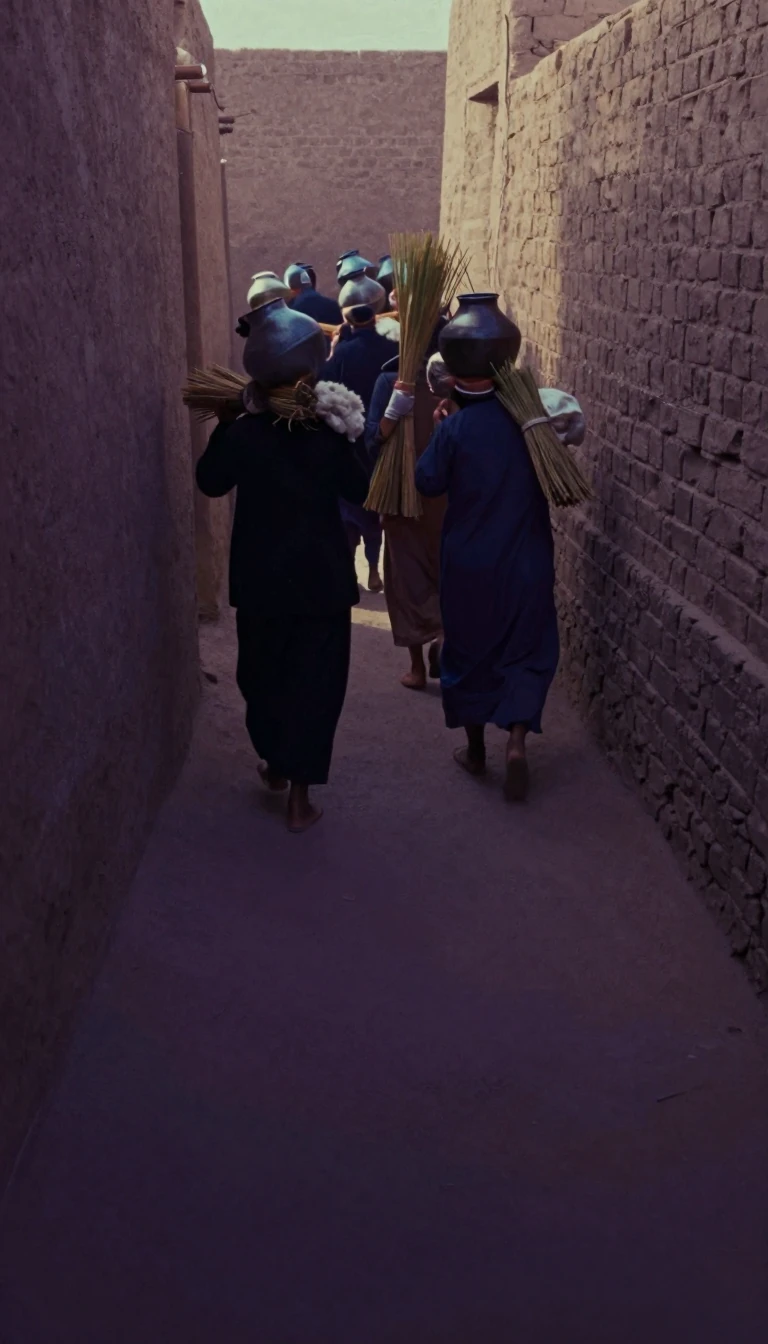
In short: Bordering Sudan, the Benishangul-Gumuz region of Ethiopia has long been a crossroads of trade, conflict, and cultural exchange. Historically isolated by the formidable Abay River, this territory transitioned from a buffer zone between empires into a complex, multi-ethnic state defined by its unique geography and turbulent political history.
Historically, the region served as a buffer zone between the Funj Sultanate and the Ethiopian highlands. Its identity was shaped by the movement of people and goods, including gold and slaves, which were traded across borders for centuries. By the 19th century, Arab traders from Sennar had integrated into the Berta upper class, creating a new ruling elite known as the waṭāwiṭ. This period saw the region caught in the orbit of regional powers, eventually being annexed by Emperor Menelik II in the late 19th century to prevent British occupation.
The region's modern development has been severely hampered by its geography. The Abay River, or Blue Nile, effectively bisected the region, making internal travel difficult for decades. Until 2012, there was no bridge crossing the river, forcing travelers to take circuitous routes through neighboring regions that spanned over 1,200 kilometers. The construction of a 365-meter bridge and a new road by a Chinese firm in 2012 finally connected the Metekel and Assosa zones, reducing the travel distance to roughly 378 kilometers.
Demographically, the region is a mosaic of ethnic groups, including the Berta, Amhara, Gumuz, Oromo, and Shinasha. While the Berta and Gumuz are indigenous, the Amhara presence grew significantly during the Derg era, when the government relocated hundreds of thousands of peasants from the famine-stricken highlands. Today, the region faces ongoing challenges, including internal conflict, such as the Metekel violence that began in 2019, and the pressures of managing a diverse population while addressing significant infrastructure and economic development gaps.
Despite these hurdles, the region remains ecologically significant, with over 60 percent of its land covered in forests, including bamboo and incense-producing trees. However, rapid population growth has led to canopy destruction, prompting government-led reforestation efforts. As a home to both indigenous communities and refugees from Sudan and South Sudan, Benishangul-Gumuz remains a critical, if often overlooked, frontier in the Horn of Africa.
Opens the Intellect+ feed with this card first. Swipe up for the next one.
Sources
- Summary by Intellect · source: Benishangul-Gumuz Region
- Also: Wikidata — Benishangul-Gumuz Region · CC0
- Also: Wikidata — Benishangul Gumuz Region in Ethiopia: A Centre of Endemism for Chlorophytum: With a Description of C. pseudocaule Sp. Nov. (Anthericaceae) · CC0
To cite this card, link to https://intellectplus.co.uk/app/places-benishangul-gumuz-region.
How we source, check and correct cards: Editorial standards.
General information, not professional advice. Spotted an error? Flag the card or see corrections and complaints.
Intellect Plus is a visual educational discovery platform for exploring fascinating facts and ideas. Brain Food, Not Brain Rot. What is Intellect Plus?
Related
More in Regions and country subdivisions · More in Countries & Cities · Latest · A–Z · All topics
