High in the Bolivian Altiplano, a city built on silver and tin celebrates its heritage.
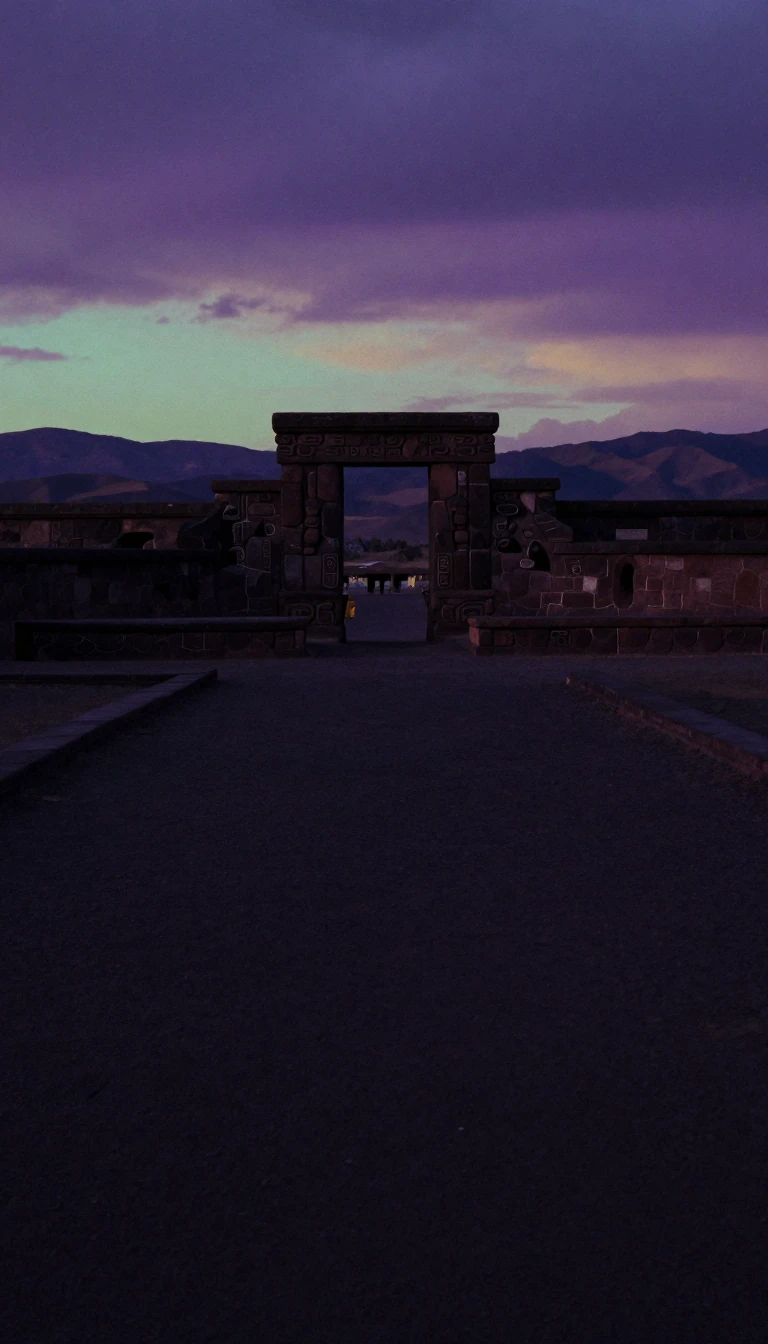
In short: Perched at over 12,000 feet, Oruro is a city defined by its mineral wealth and cultural depth. Founded in 1606, this high-altitude hub transitioned from a colonial silver center to a prosperous tin-mining powerhouse, eventually becoming the heart of Bolivia's railway network and a UNESCO-recognized site of intangible cultural heritage.
Established on November 1, 1606, as Real Villa de San Felipe de Austria, Oruro was designed as a grid-patterned Spanish colonial town. Named to honor King Philip III of Spain, the city emerged from the discovery of rich silver deposits in the Uru region. Its founding was a formal administrative process, authorized by the Audiencia of Charcas after a thorough inspection of the local mining settlements near the Pie de Gallo hill.
The city’s economic trajectory has been marked by cycles of boom and bust tied directly to global commodity prices. While silver production drove its initial rise, the 19th century brought a decline that was only reversed by the later development of tin mining. Throughout the 20th century, Oruro flourished as a vital industrial center, processing tin and extracting tungsten and zinc. Today, it remains a critical transportation node, serving as the hub of Bolivia's railway system with connections to Argentina and Chile.
Beyond its industrial legacy, Oruro is globally renowned for its pre-Lenten Carnival. This ten-day celebration features elaborate dances and masks depicting devils, animals, and historical figures, all paying homage to the Virgen del Socavón. In 2008, UNESCO inscribed the Carnival onto its Representative List of the Intangible Cultural Heritage of Humanity, recognizing its profound spiritual and cultural significance to the Indigenous Uru communities who have inhabited the region for centuries.
The city's demographic history is as layered as its geography. At its founding, the population included Spanish miners, Creoles, Africans, and Indigenous groups such as the Uru, Quechua, and Aymara. This diverse heritage continues to shape the city's identity, which remains a focal point of the Altiplano, bridging the gap between its ancient Indigenous roots and its colonial and industrial past.
Opens the Intellect+ feed with this card first. Swipe up for the next one.
Sources
- Summary by Intellect · source: Oruro | Bolivia, Carnival, Mining, & Facts | Britannica
- Also: Oruro
To cite this card, link to https://intellectplus.co.uk/app/places-oruro.
How we source, check and correct cards: Editorial standards.
General information, not professional advice. Spotted an error? Flag the card or see corrections and complaints.
Intellect Plus is a visual educational discovery platform for exploring fascinating facts and ideas. Brain Food, Not Brain Rot. What is Intellect Plus?
Related
More in Americas · More in Countries & Cities · Latest · A–Z · All topics
