Palmas: The Brazilian capital built from scratch to transform a forgotten agricultural frontier
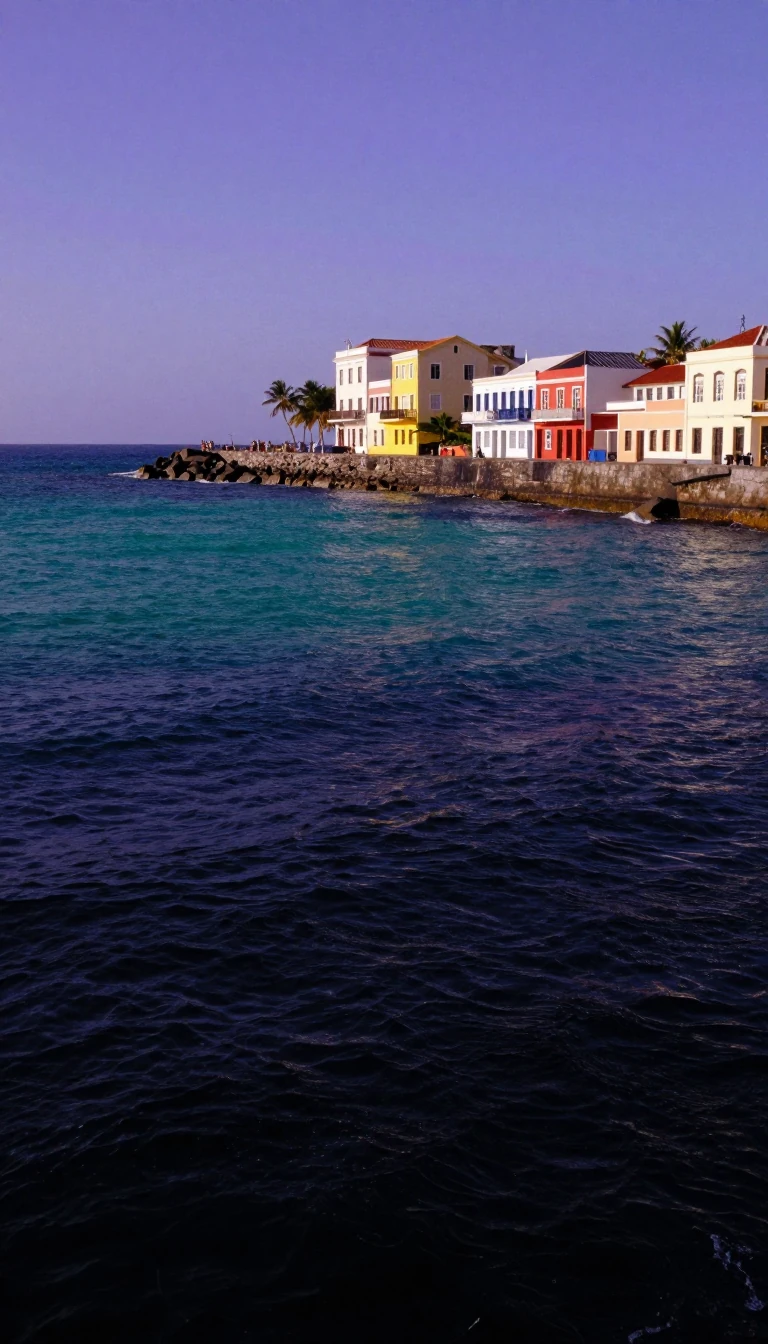
In short: Founded in 1990, Palmas was designed as a modern administrative hub for the newly created state of Tocantins. With urban zoning inspired by the national capital, Brasília, this city rose from an agricultural landscape to become a central economic engine, balancing rapid growth with the preservation of its native cerrado environment.
Palmas was established in 1990 as the capital of Tocantins, a state formed under the 1988 Brazilian constitution. The city was intentionally designed to stimulate development in a previously neglected region of the country, providing new employment opportunities for its residents. Its urban layout mirrors that of Brasília, featuring a symmetrical central park and a massive north-to-south avenue. The city sits at a low elevation of 195 meters in a valley surrounded by mountains, which contributes to its status as one of Brazil's hottest capitals.
The city's geography is defined by the cerrado, a semi-humid region characterized by distinct wet and dry seasons. While Palmas is technically within the Amazon basin, it lacks rainforest, instead featuring native shrubland that builders carefully preserved during the city's development. In 2002, the construction of the Lajeado Hydroelectric Power Plant transformed the local landscape by creating a massive reservoir, which introduced new beaches and necessitated the 8-kilometer-long Fernando Henrique Cardoso Bridge to connect the city to major highway infrastructure.
Economically, Palmas serves as a trade hub for Tocantins and surrounding states like Pará, Mato Grosso, and Maranhão. The service sector drives the economy, supported by a formal business environment where micro-firms account for over 80% of the city's 4,394 companies. In 2007, the city experienced a significant economic expansion, with its GDP growing by 6%, outpacing the national average of 3.5%. This growth has attracted major retail investments and infrastructure projects, such as the North-South Railway, which aims to facilitate the transport of bulk goods.
Beyond its administrative role, Palmas has become a center for cultural and sporting events, notably hosting the first World Indigenous Games in 2015. The city also serves as a gateway to the nearby ecotourism resort of Taquaruçu, famous for its waterfalls and cooler microclimate. Despite being planned for a population of one million, the city remains a unique example of a modern, purpose-built capital navigating the challenges of a hot, seasonal climate.
Opens the Intellect+ feed with this card first. Swipe up for the next one.
Sources
- Summary by Intellect · source: Palmas, Tocantins
- Also: Wikidata — Palmas · CC0
To cite this card, link to https://intellectplus.co.uk/app/places-palmas-tocantins.
How we source, check and correct cards: Editorial standards.
General information, not professional advice. Spotted an error? Flag the card or see corrections and complaints.
Intellect Plus is a visual educational discovery platform for exploring fascinating facts and ideas. Brain Food, Not Brain Rot. What is Intellect Plus?
Related
More in Americas · More in Countries & Cities · Latest · A–Z · All topics
