Why a town that never saw its own castle inspired the first Gothic novel.
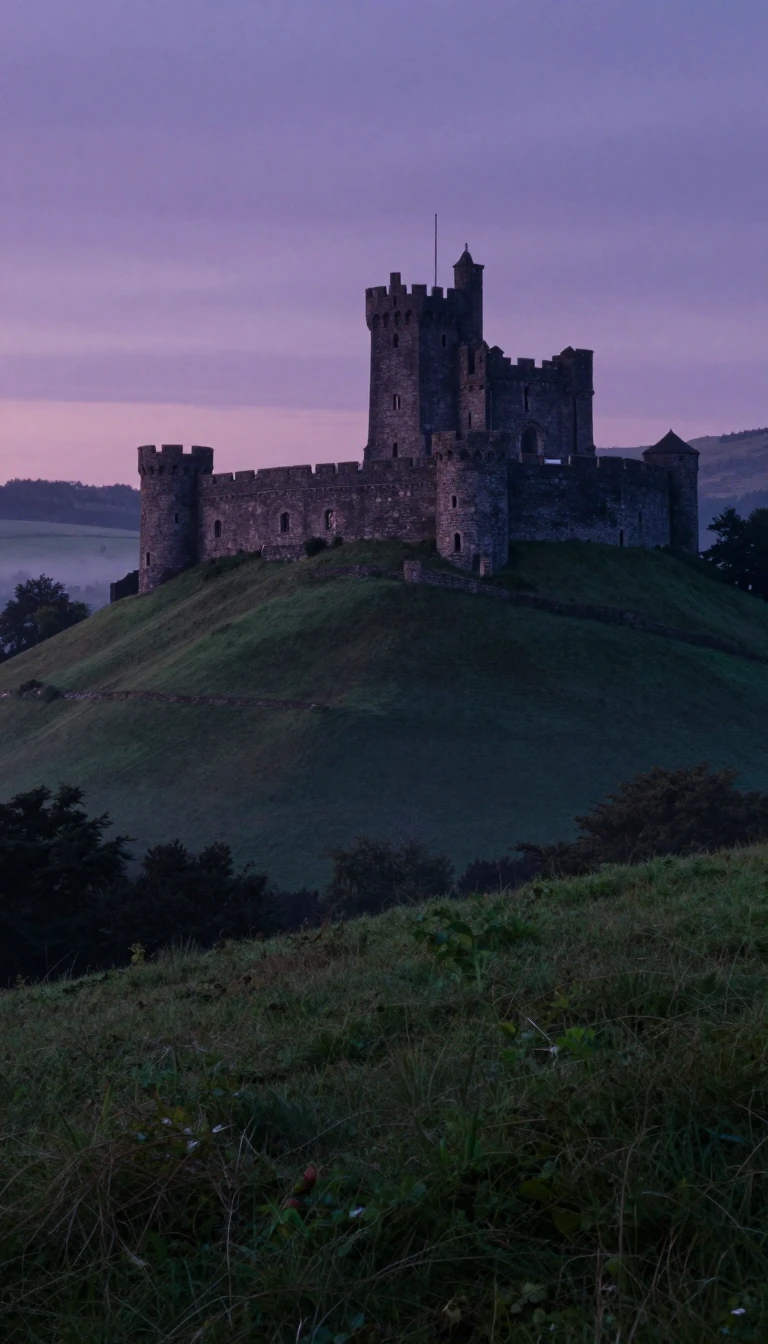
In short: Otranto is Italy’s easternmost outpost, a historic port defined by ancient Greek roots, Ottoman sieges, and a strategic strait. Yet, its most enduring global legacy is literary: Horace Walpole chose the name for his 1764 novel simply because it sounded evocative, unaware the real town actually possessed a fortress.
Otranto, known in antiquity as Hydrus or Hydruntum, has long served as a vital gateway between the Adriatic and Ionian Seas. Its geography made it a critical embarkation point for the East during the Roman Empire, often surpassing the importance of nearby Brindisi. Throughout the Middle Ages, the town endured a turbulent history, shifting between Byzantine control, Norman conquest under Robert Guiscard in 1068, and a devastating Ottoman invasion in 1480. During this 15th-century siege, the city fell to Sultan Mehmed II’s forces, leading to the martyrdom of Archbishop Stefano Pendinelli and hundreds of citizens, who were later canonized by Pope Francis in 2013.
The town’s architecture reflects these layered conflicts. The Castello Aragonese, a five-sided fortress with a moat and a bastion known as the Diamond’s Head, was reinforced by Emperor Frederick II and later rebuilt between 1485 and 1498 by Alphonso II of Naples. Nearby, the 11th-century Cathedral houses a famous 1166 mosaic pavement and the relics of the 1480 martyrs. Despite this rich physical history, the town gained unexpected fame in literature. Horace Walpole, author of The Castle of Otranto, admitted he selected the location from a map purely for its name’s aesthetic quality. He did not realize the town contained a real castle until 1786, twenty-two years after his pioneering Gothic novel was published.
Beyond its literary fame, Otranto remains a site of strategic and natural significance. The lighthouse at Faro della Palascìa marks the easternmost point of the Italian mainland, while the surrounding coastline is protected within the Regional Natural Coastal Park. The town has also been a theater for modern naval warfare, including the 1917 Otranto Barrage during World War I and a 1940 diversionary raid by the British fleet. Today, it stands as a testament to the intersection of Mediterranean history, where the remnants of Basilian monasteries and Byzantine frescoes sit alongside the echoes of Napoleonic occupation and global maritime strategy.
Opens the Intellect+ feed with this card first. Swipe up for the next one.
Sources
- Summary by Intellect · source: Otranto
- Also: Wikidata — Otranto · CC0
- Also: Wikidata — Otranto · CC0
To cite this card, link to https://intellectplus.co.uk/app/places-otranto.
How we source, check and correct cards: Editorial standards.
General information, not professional advice. Spotted an error? Flag the card or see corrections and complaints.
Intellect Plus is a visual educational discovery platform for exploring fascinating facts and ideas. Brain Food, Not Brain Rot. What is Intellect Plus?
Related
More in World Heritage Sites · More in Countries & Cities · Latest · A–Z · All topics
