Why the Orkhon Valley served as the sacred heart of ancient nomadic empires
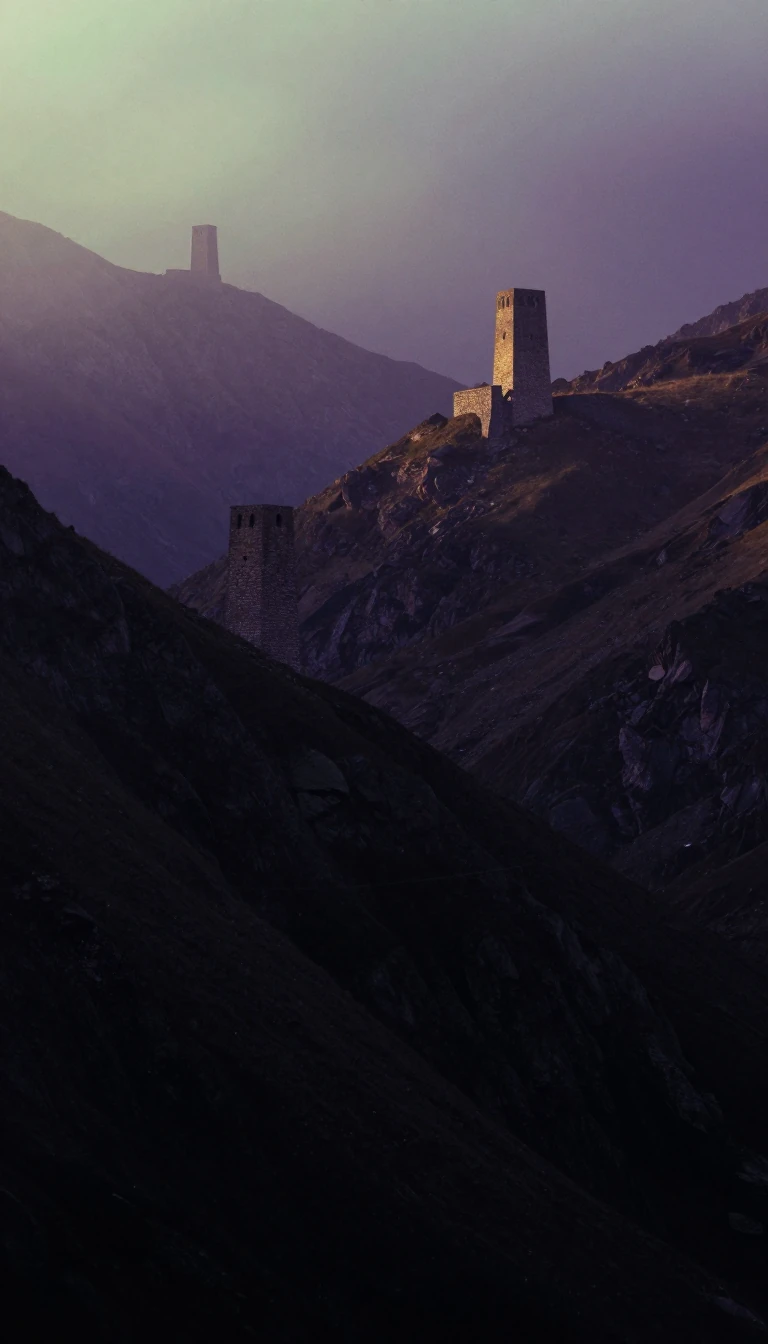
In short: Located 320 kilometers west of Ulaanbaatar, the Orkhon Valley is far more than a scenic landscape. For over two millennia, this region functioned as the imperial seat of steppe power. It was here that nomadic rulers sought divine legitimacy, believing the valley held the key to uniting the Turkic tribes.
The Orkhon Valley’s significance is rooted in the sacred mountain Ötüken, which served as an axis mundi in the spiritual tradition of Tengriism. It was believed that the ancestor spirits of khagans and beys resided within this mountain, emitting a force known as kut. This power granted the khagan the divine right to rule, making control of the valley a strategic necessity for any leader aspiring to unite the Turkic tribes. Consequently, every major Turkic capital, or Ördü, was historically established in this specific location to harness this heavenly authority.
The valley is home to remarkable monuments that chronicle this imperial history. Among the most significant are the early 8th-century Turkic memorials dedicated to Bilge Khan and Kul Tigin. These stone steles, which were discovered by Russian archaeologists in 1889 and later deciphered by Vilhelm Thomsen in 1893, provide vital evidence of the First Turkic Khaganate. The valley also contains the expansive ruins of Ordu-Baliq, an 8th-century capital of the Uyghur Khaganate that once spanned 50 square kilometers and featured palaces, temples, and markets.
Beyond its role as a political center, the valley reflects the shifting religious landscape of Mongolia. The Erdene Zuu monastery, established as the first Buddhist site in the region, and the Tuvkhun Hermitage, perched at 2,600 meters above sea level, stand as testaments to this evolution. Both sites suffered severe damage during Soviet-led destruction between 1937 and 1940. Later, the valley also hosted the 13th and 14th-century residence of Ögedei Khan at Doit Hill. Today, the Orkhon Valley Cultural Landscape remains a UNESCO World Heritage site, preserving the physical legacy of nomadic pastoral traditions that spanned more than two thousand years of history.
The valley’s natural features, such as the Ulaan Tsutgalan waterfall, which reaches twenty meters in height, complement its man-made history. Whether through the reinscription of steles by Khitan rulers or the enduring presence of sacred peaks, the valley remains the definitive symbol of steppe governance and spiritual continuity.
Opens the Intellect+ feed with this card first. Swipe up for the next one.
Sources
- Summary by Intellect · source: Orkhon Valley
- Also: Wikidata — Orkhon Valley · CC0
To cite this card, link to https://intellectplus.co.uk/app/places-orkhon-valley.
How we source, check and correct cards: Editorial standards.
General information, not professional advice. Spotted an error? Flag the card or see corrections and complaints.
Intellect Plus is a visual educational discovery platform for exploring fascinating facts and ideas. Brain Food, Not Brain Rot. What is Intellect Plus?
Related
More in World Heritage Sites · More in Countries & Cities · Latest · A–Z · All topics
