Why the world's most productive wetlands are actually vast, seasonal flooded grasslands
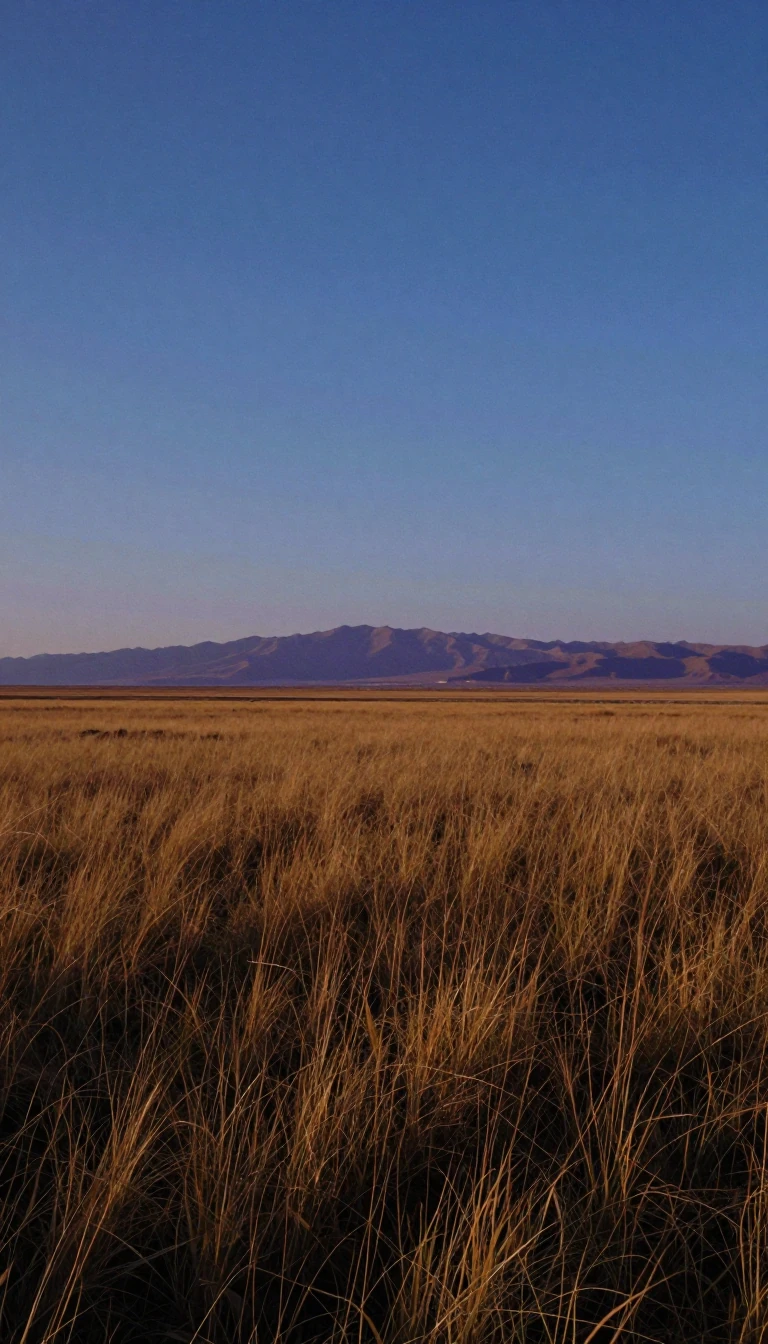
In short: Flooded grasslands and savannas are not merely swamps; they are dynamic, life-sustaining biomes that span four continents. These massive, water-dependent ecosystems function as critical hubs for migratory birds and diverse wildlife, shifting their productivity and water availability with the changing seasons to support an extraordinary density of biological life.
Defined by the World Wide Fund for Nature as a distinct terrestrial biome, flooded grasslands and savannas represent some of the most ecologically significant landscapes on Earth. These regions are characterized by unique hydrologic regimes and specific soil conditions that dictate the survival of highly adapted plant and animal species. Unlike static environments, these complexes operate on a pulse of seasonal and annual water shifts, which dictate the movement and concentration of migratory waterbirds and other mobile fauna across vast, interconnected wetland systems.
The scale of these habitats is immense, with the Pantanal in South America standing as the largest flooded grassland globally. Covering approximately 187,818 square kilometers, it serves as a massive reservoir of biodiversity, housing over 1,600 plant species, 1,000 butterfly varieties, and hundreds of species of fish, birds, mammals, reptiles, and amphibians. Similarly, the Everglades in North America represents a unique geological marvel; as the world's largest rain-fed flooded grassland situated on a limestone substrate, it supports an intricate web of life, including 11,000 seed-bearing plant species and 300 distinct bird species.
Beyond the Pantanal and the Everglades, other globally significant examples include the Sudd, the Zambezian flooded grasslands, and the Lake Chad flooded savanna. These regions are generally the largest complexes within their respective continents, serving as vital anchors for regional ecological health. Because these habitats are so sensitive to hydrologic changes, their productivity is inherently tied to the timing and volume of water flow, making them essential barometers for the health of the broader biogeographical systems they inhabit across Asia, Africa, and the Americas.
Opens the Intellect+ feed with this card first. Swipe up for the next one.
Sources
- Summary by Intellect · source: Flooded grasslands and savannas
To cite this card, link to https://intellectplus.co.uk/app/nature-flooded-grasslands-and-savannas.
How we source, check and correct cards: Editorial standards.
General information, not professional advice. Spotted an error? Flag the card or see corrections and complaints.
Intellect Plus is a visual educational discovery platform for exploring fascinating facts and ideas. Brain Food, Not Brain Rot. What is Intellect Plus?
Related
More in Earth science basics · More in Nature · Latest · A–Z · All topics
