Pará is a vast Brazilian state where the Amazon River meets the Atlantic Ocean.
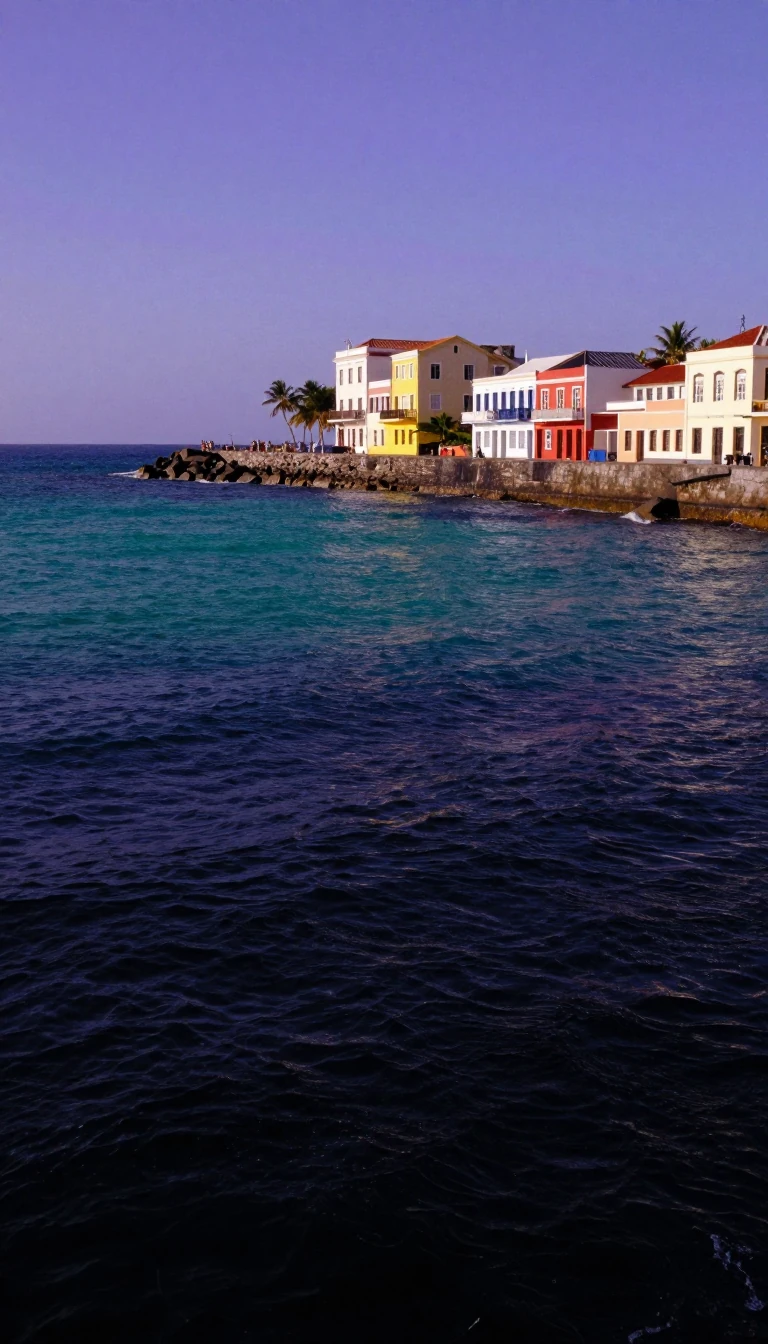
In short: Named after the Tupi word for sea, Pará is a massive, biodiverse territory in northern Brazil. Home to the world's largest rainforest, this state has evolved from a colonial Portuguese outpost into a complex economic hub, shaped by rubber booms, mineral wealth, and waves of international migration over four centuries.
Pará occupies 1.2 million square kilometres in northern Brazil, serving as the second-largest state in the country by area. Its geography is defined by the lower Amazon River, which flows toward the Atlantic Ocean. The state capital, Belém, was founded in 1616 as the Fort of the Nativity to consolidate Portuguese control against Dutch and English incursions. This strategic location allowed the region to eventually become a center for rubber production and, later, large-scale mineral extraction, including iron ore in the Serra dos Carajás.
The state's history is marked by significant social upheaval, most notably the Cabanagem revolt of 1835. Driven by poverty, hunger, and a sense of political irrelevance under the central government, the popular uprising saw indigenous people, blacks, and mestizos—collectively known as cabanos—rebel against the provincial government. The conflict lasted until 1840 and remains a defining moment in the region's struggle for political recognition. Following the revolt, the late 19th century brought the rubber boom, which transformed Belém into a city styled after Paris, complete with imported mango trees and European-inspired urban planning.
Today, Pará is a melting pot of global influences. Beyond its Portuguese roots, the state has welcomed Japanese, Italian, Lebanese, and French immigrants, each leaving distinct marks on its agriculture and commerce. The Japanese community, for instance, introduced crops like jute and black pepper in the 1930s. Culturally, the state remains deeply connected to its indigenous heritage, evidenced by the Marajoara pottery traditions that date back to the height of the Marajoara culture between 500 and 1300. With over 8.1 million residents, Pará continues to balance its immense natural biodiversity with the demands of modern economic development.
Opens the Intellect+ feed with this card first. Swipe up for the next one.
Sources
- Summary by Intellect · source: Pará
- Also: Wikidata — Pará · CC0
To cite this card, link to https://intellectplus.co.uk/app/places-par.
How we source, check and correct cards: Editorial standards.
General information, not professional advice. Spotted an error? Flag the card or see corrections and complaints.
Intellect Plus is a visual educational discovery platform for exploring fascinating facts and ideas. Brain Food, Not Brain Rot. What is Intellect Plus?
Related
More in Cities · More in Countries & Cities · Latest · A–Z · All topics
