Why Peninsular Malaysia is more than just a geographic slice of Southeast Asia
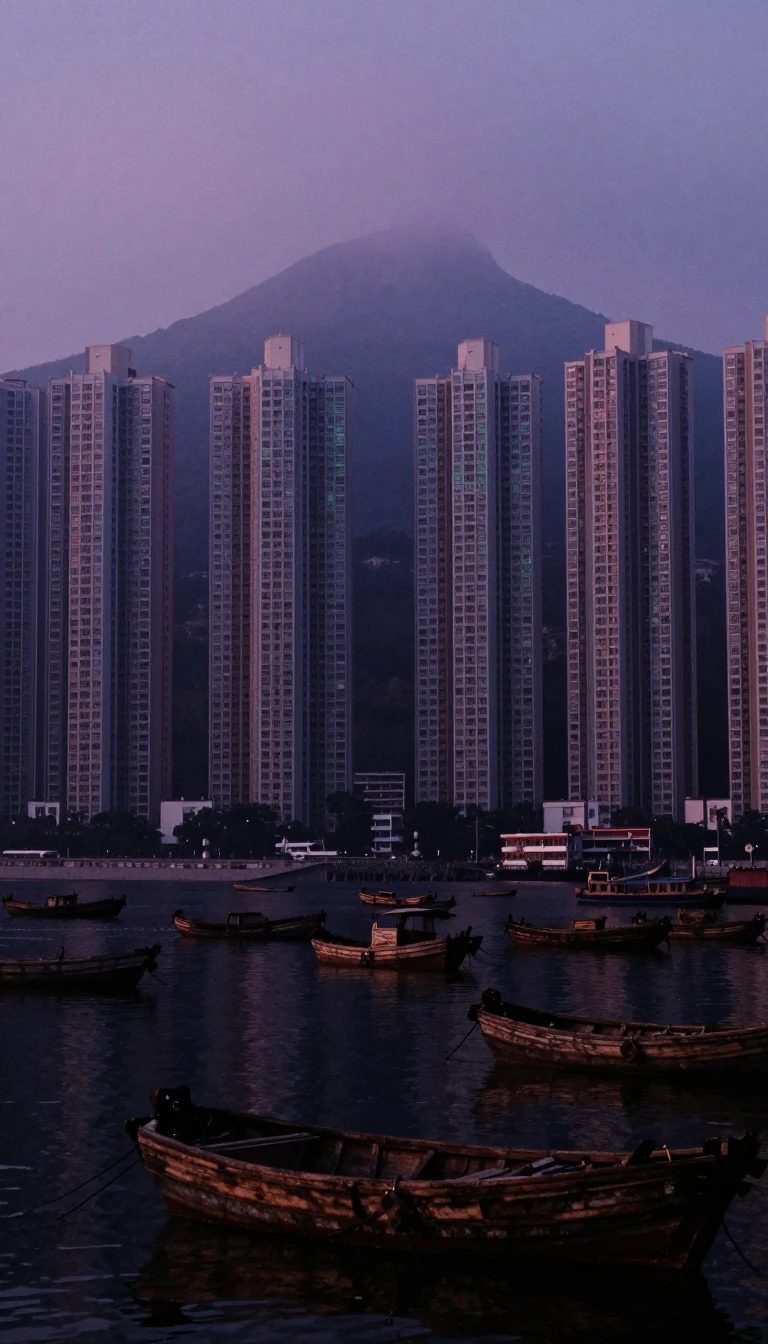
In short: Peninsular Malaysia accounts for nearly 40% of the nation's landmass, yet it anchors the majority of its population and economic activity. Beyond its mountainous, forested interior lies a complex history of political mergers, ethnic balancing acts, and a distinct administrative divide that separates it from the Borneo states.
Peninsular Malaysia, historically known as Malaya, covers approximately 131,956 square kilometers. While it shares the Malay Peninsula with parts of Myanmar and Thailand, the region itself is defined by its 11 states and two federal territories, Kuala Lumpur and Putrajaya. The landscape is sharply divided between a rugged, rural interior and a highly developed western coastal strip that faces the Strait of Malacca.
The region's modern identity was forged in the 1963 formation of the Federation of Malaysia. To balance the influx of ethnic Chinese from Singapore, the architects of the federation included the Borneo states of Sabah and Sarawak. This demographic strategy was intended to satisfy Malay political interests. Singapore was initially granted a special autonomous status, similar to Northern Ireland, but this arrangement lasted only two years before Singapore was expelled in 1965.
Today, the distinction between the Peninsula and East Malaysia remains significant. While the Peninsula operates under a unified administrative structure, Sabah and Sarawak retain substantial autonomy, including their own judicial systems and immigration controls, codified in the 18-point and 20-point agreements. This creates a unique dynamic where freedom of movement is restricted for Peninsular citizens traveling to Borneo, but not vice versa.
Socioculturally, the Peninsula is not monolithic. The East Coast, facing the South China Sea, is demographically distinct from the West Coast. It is overwhelmingly Malay and tends toward socially conservative political values, often represented by the Malaysian Islamic Party. Meanwhile, the region remains home to the Orang Asli, the indigenous people who numbered approximately 209,575 in 2022, primarily residing in the rural, mountainous interior.
Opens the Intellect+ feed with this card first. Swipe up for the next one.
Sources
- Summary by Intellect · source: Peninsular Malaysia
- Also: Wikidata — Peninsular Malaysia · CC0
- Also: Wikidata — Peninsular Malaysian montane rain forests · CC0
To cite this card, link to https://intellectplus.co.uk/app/places-peninsular-malaysia.
How we source, check and correct cards: Editorial standards.
General information, not professional advice. Spotted an error? Flag the card or see corrections and complaints.
Intellect Plus is a visual educational discovery platform for exploring fascinating facts and ideas. Brain Food, Not Brain Rot. What is Intellect Plus?
Related
More in Cities · More in Countries & Cities · Latest · A–Z · All topics
