How a 19th-century lighting fuel transformed into the world's most valuable industrial commodity
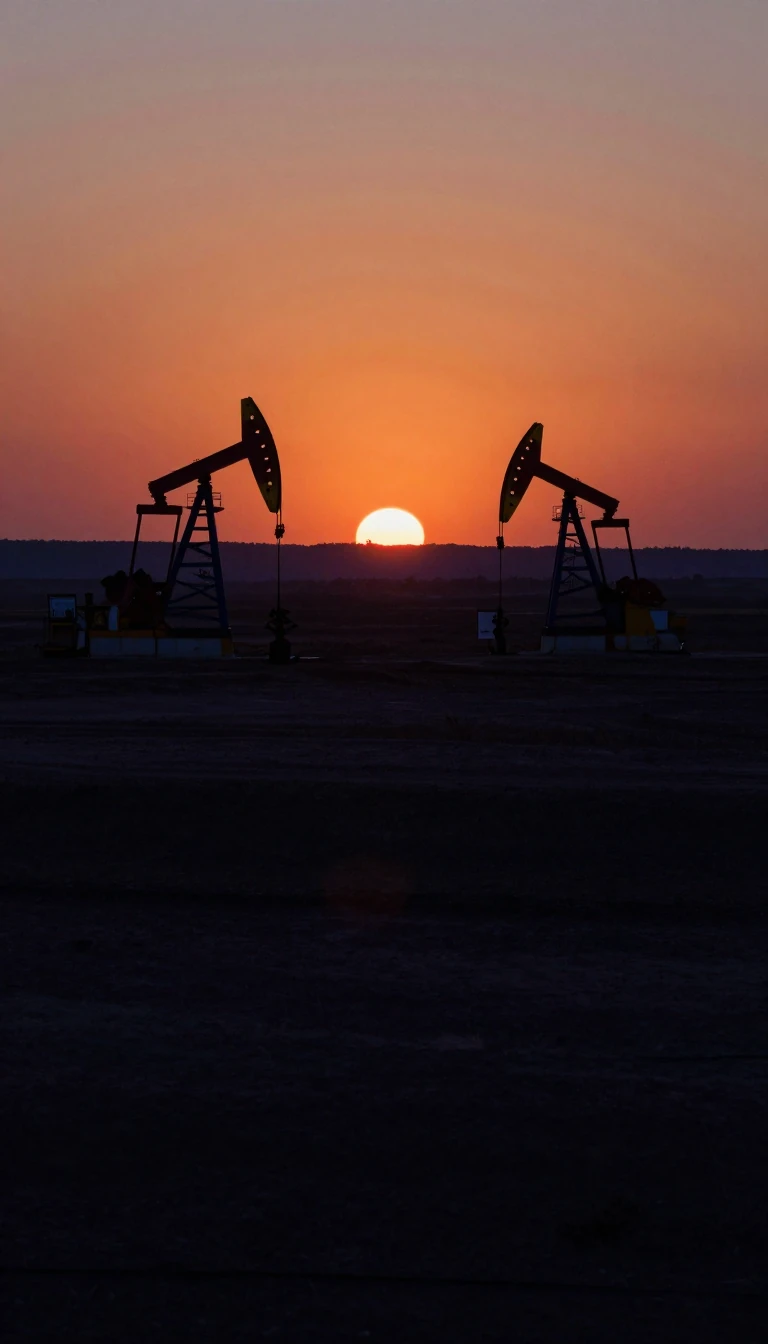
In short: Petroleum is the lifeblood of modern civilization, powering everything from global transport to the synthesis of plastics and pharmaceuticals. While humans have utilized unrefined oil for over 5,000 years, its rise to economic dominance began only when kerosene revolutionized lighting, eventually fueling the massive industrial expansion of the twentieth century.
The petroleum industry is organized into three primary sectors: upstream, which focuses on exploration and extraction; midstream, covering the complex network of pipelines, tankers, and storage facilities; and downstream, where crude oil is refined into products like gasoline, jet fuel, and heating oil. This infrastructure represents the world's largest industry by dollar value, sustaining energy consumption rates that reach as high as 53% in the Middle East.
The industry's modern era began in the mid-1800s, with significant early developments in Baku, Azerbaijan, and Pennsylvania. By the turn of the 20th century, Imperial Russia dominated global markets, producing half of the world's oil. However, the United States soon overtook Russia as the leading producer, a position bolstered by technological breakthroughs like offshore drilling platforms in the Gulf of Mexico, which first reached out of sight of land in 1947.
Despite its economic importance, the industry faces intense scrutiny regarding its environmental and political footprint. Critics point to the industry's role in greenhouse gas emissions, water contamination from hydraulic fracturing, and the production of volatile organic compounds. As early as 1959, physicist Edward Teller warned the American Petroleum Institute that burning fossil fuels could trigger a greenhouse effect, potentially melting icecaps and submerging coastal cities.
Today, the industry is navigating a complex landscape of climate policy and public pressure. While national oil companies now control the largest reserves, international firms continue to invest in extraction technologies like hydraulic fracturing. Meanwhile, environmental scholars and civil rights groups increasingly highlight the unequal health risks posed by fossil fuel systems, advocating for a transition toward renewable energy sources like wind and solar power.
Opens the Intellect+ feed with this card first. Swipe up for the next one.
Sources
- Summary by Intellect · source: Petroleum industry
- Also: Wikidata — petroleum industry · CC0
To cite this card, link to https://intellectplus.co.uk/app/places-petroleum-industry.
How we source, check and correct cards: Editorial standards.
General information, not professional advice. Spotted an error? Flag the card or see corrections and complaints.
Intellect Plus is a visual educational discovery platform for exploring fascinating facts and ideas. Brain Food, Not Brain Rot. What is Intellect Plus?
Related
More in Cities · More in Countries & Cities · Latest · A–Z · All topics
