From ancient bitumen to modern fuel: how rock oil transformed the global economy
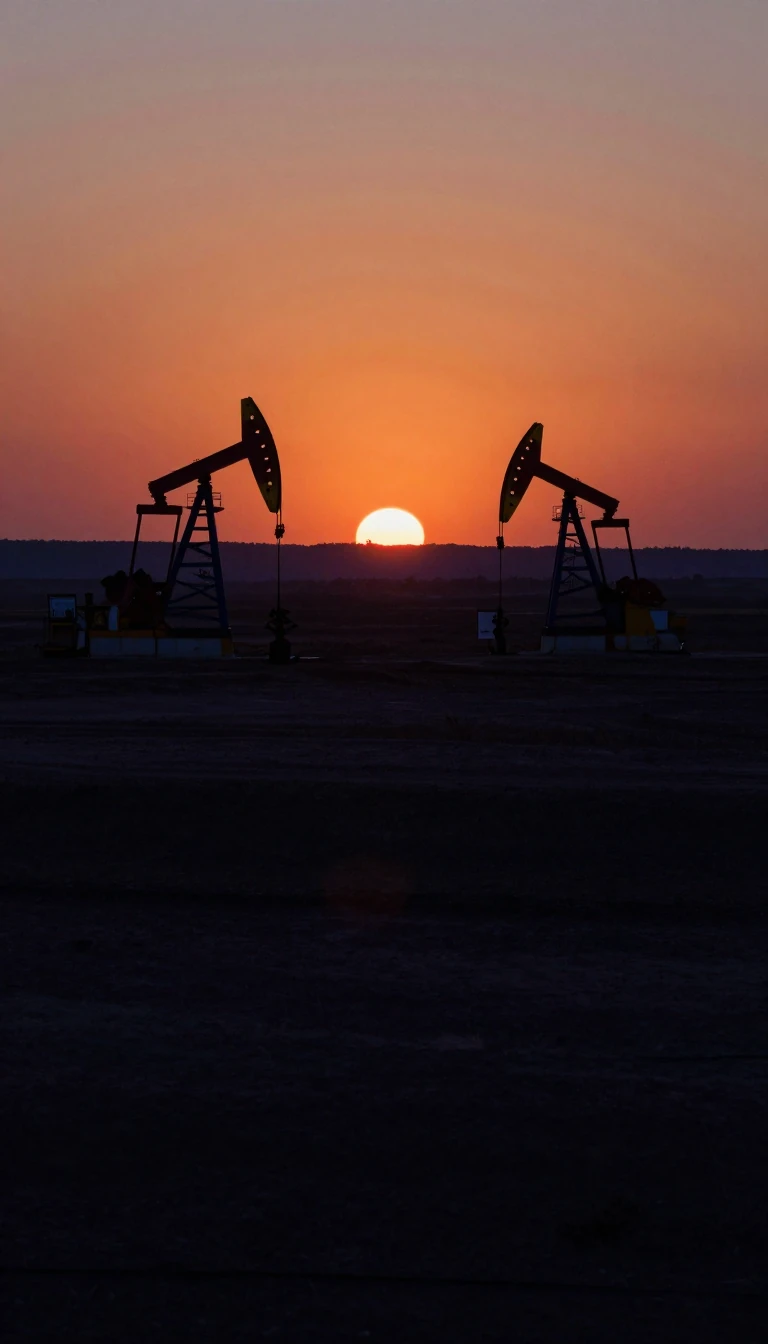
In short: Petroleum was used for construction and lighting thousands of years before it powered the internal combustion engine. While ancient civilizations tapped natural seeps, the modern industry began in 1859 with a single well in Pennsylvania, triggering a century of corporate dominance, geopolitical maneuvering, and rapid technological evolution.
Long before it became a global commodity, petroleum was known as 'burning water' or 'rock oil.' Ancient records from China describe the use of oil as fuel as early as the fourth century BC, while natural asphalt was used in the construction of Babylon over four millennia ago. By the ninth century, oil fields were being exploited near modern-day Baku, Azerbaijan, and by the twelfth century, distillation techniques had reached Western Europe. Despite these early applications, the modern era of the industry is typically traced to August 27, 1859, when Edwin Drake completed the first drilled oil well at Oil Creek near Titusville, Pennsylvania.
The industry’s explosive growth was driven by shifting demands. Initially, oil and natural gas were sought as alternatives to asphalt-based kerosene and whale oil. However, the introduction of electricity in 1882 forced a pivot; the industry moved away from lighting and toward the burgeoning automobile market. This transition was dominated by John D. Rockefeller’s Standard Oil Company, founded in 1870. By the early 20th century, Standard Oil controlled nearly 80 percent of the oil products market, leading to its forced breakup into 34 separate entities in 1909 due to anti-trust laws.
By the 1940s, a new market structure emerged, characterized by the 'Seven Sisters'—a group of seven international companies that dominated the global landscape. This period also saw the discovery of massive reserves, such as the Ghawar field in Saudi Arabia. As oil-exporting nations became more assertive, the industry shifted from corporate control to a complex web of nationalization and profit-sharing agreements. Throughout the latter half of the 20th century, the industry faced significant volatility, with oil supply and pricing frequently disrupted by wars and political crises, cementing petroleum's role as a central, albeit controversial, pillar of modern geopolitical strategy.
Opens the Intellect+ feed with this card first. Swipe up for the next one.
Sources
- Summary by Intellect · source: Research Guides: Oil and Gas Industry: A Research Guide: History of the Industry
- Also: History of the petroleum industry
To cite this card, link to https://intellectplus.co.uk/app/history-history-of-the-petroleum-industry.
How we source, check and correct cards: Editorial standards.
General information, not professional advice. Spotted an error? Flag the card or see corrections and complaints.
Intellect Plus is a visual educational discovery platform for exploring fascinating facts and ideas. Brain Food, Not Brain Rot. What is Intellect Plus?
Related
More in History by topic · More in History · Latest · A–Z · All topics
