How a Macedonian gold-mining outpost became a miniature Rome and a Christian cradle.
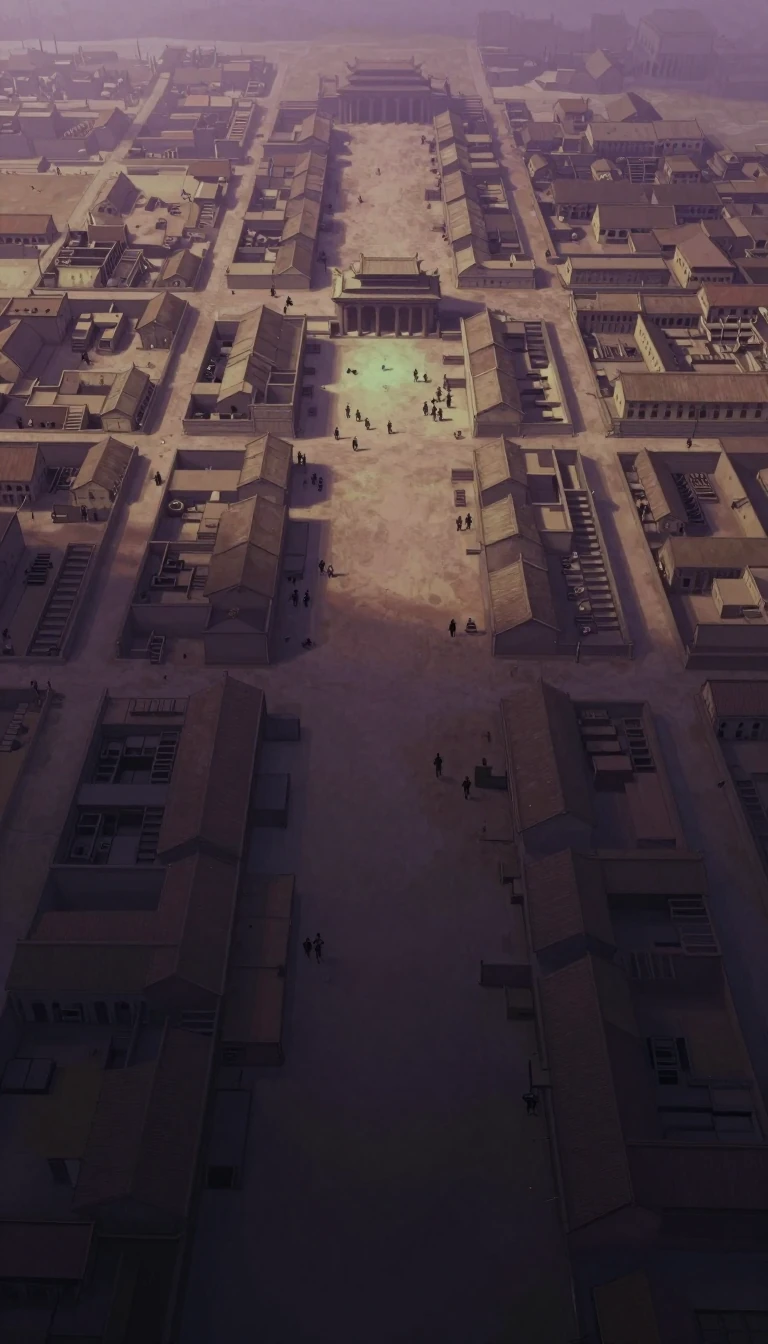
In short: Founded by Philip II to secure gold and strategic mountain passes, Philippi evolved from a Macedonian garrison into a Roman colony and a pivotal site for early Christianity. Though it was eventually abandoned after centuries of seismic and political upheaval, its ruins remain a testament to its layered, imperial history.
Originally established as Crenides by Thasian colonists in 360/359 BC, the city was renamed after Philip II of Macedon in 356 BC. Philip recognized the site's strategic value, using it to control the route between Amphipolis and Neapolis and to exploit nearby gold mines. The city maintained its own political institutions, such as the Assembly of the demos, even while integrated into the Macedonian kingdom.
The city's character shifted dramatically following the Battle of Philippi in 42 BC, where Mark Antony and Octavian defeated the forces of Brutus and Cassius. The victors settled veterans there, refounding it as a Roman colony. Under Augustus, it became a 'miniature Rome,' governed by Roman-appointed duumviri and featuring a forum built on two terraces. Its prosperity was fueled by the Via Egnatia, a vital east-west route, and the wealth generated by its gold mines.
Philippi holds unique significance in Christian history as the site where the apostle Paul is believed to have preached his first sermon on European soil, likely in AD 49 or 50. This visit led to the conversion of Lydia of Thyatira. By the 4th century, the city had become a major ecclesiastical center, with seven churches constructed between the mid-4th and late 6th centuries. The octagonal church and Basilica B were designed to rival the grandeur of Constantinople.
The city's decline was gradual, accelerated by the Plague of Justinian in 547 and a devastating earthquake around 619. While it saw brief periods of Byzantine resurgence, such as the rebuilding efforts under Nicephorus II Phocas in 969, it eventually faded into a village. By the 1540s, when traveler Pierre Belon visited, the site was largely abandoned, its stones repurposed as a quarry.
Opens the Intellect+ feed with this card first. Swipe up for the next one.
Sources
- Summary by Intellect · source: Philippi
- Also: Wikidata — Philippi · CC0
- Also: Wikidata — Philippi · CC0
To cite this card, link to https://intellectplus.co.uk/app/places-philippi.
How we source, check and correct cards: Editorial standards.
General information, not professional advice. Spotted an error? Flag the card or see corrections and complaints.
Intellect Plus is a visual educational discovery platform for exploring fascinating facts and ideas. Brain Food, Not Brain Rot. What is Intellect Plus?
Related
More in World Heritage Sites · More in Countries & Cities · Latest · A–Z · All topics
