How a Macedonian Princess and a Mermaid Legend Defined a Mediterranean Crossroads
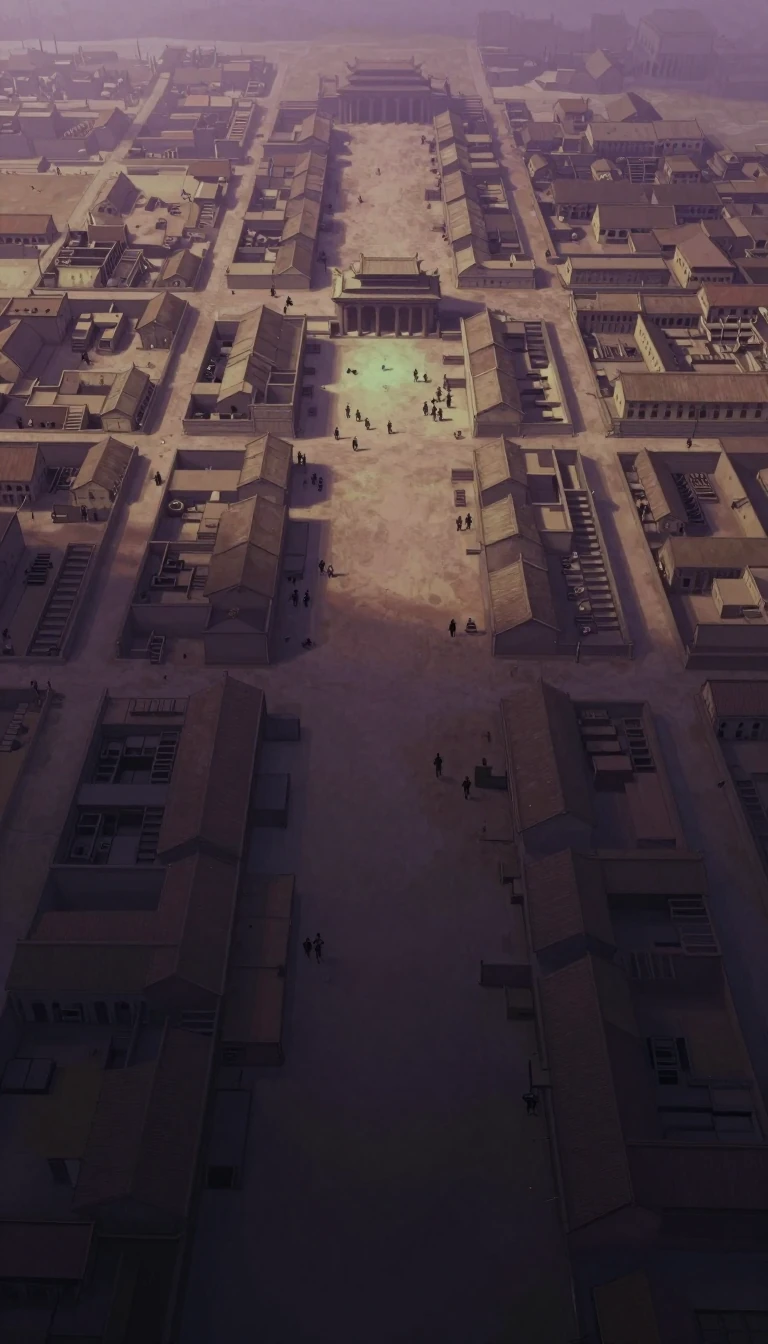
In short: Founded in 315 BC, Thessaloniki has served as a vital nexus for empires, religions, and cultures for millennia. From its origins as a Macedonian royal namesake to its centuries as the only Jewish-majority city in Europe, this port city remains a living monument to the complex layers of human history.
The city was established in 315 BC by Cassander of Macedon, who named the settlement after his spouse, a daughter of Philip II and sibling to Alexander the Great. Positioned on the Thermaic Gulf, it evolved into a crucial hub for the Roman Empire, particularly after it became the capital of the Roman province of Macedonia in 128 BC. Its strategic location on the Via Egnatia road network ensured its status as a primary commercial center connecting Rome with the East.
During the Byzantine era, the city maintained its prestige as the second-most important metropolis after Constantinople. It became a significant center for early Christianity, with Paul the Apostle visiting in about 50 AD. By the 12th century, it housed roughly 150,000 residents. However, the city faced repeated turbulence, including sacks by Normans in 1185 and the Fourth Crusade in 1204, before eventually falling to the Ottoman Empire in 1430.
Under Ottoman rule, the city transformed into a unique multicultural enclave. Following the 1492 Alhambra Decree, nearly 20,000 Sephardic Jews arrived, eventually making it the only city in Europe with a Jewish majority during the 16th century. This demographic shift created a vibrant, multilingual society where synagogues, mosques, and churches coexisted. By the late 19th century, the city underwent significant modernization, including the installation of electric street lighting in 1908 and the expansion of rail connections.
The city's political significance peaked during the Young Turk Revolution, which began there in 1908. Mustafa Kemal Atatürk, the founder of modern Turkey, was born in the city in 1881. In 1912, during the First Balkan War, the Greek army secured the city, ending nearly five centuries of Ottoman control. Today, the city remains a testament to its layered past, featuring monuments from Roman, Byzantine, and Ottoman periods that reflect its enduring role as a bridge between civilizations.
Opens the Intellect+ feed with this card first. Swipe up for the next one.
Sources
- Summary by Intellect · source: Thessaloniki
To cite this card, link to https://intellectplus.co.uk/app/history-thessaloniki.
How we source, check and correct cards: Editorial standards.
General information, not professional advice. Spotted an error? Flag the card or see corrections and complaints.
Intellect Plus is a visual educational discovery platform for exploring fascinating facts and ideas. Brain Food, Not Brain Rot. What is Intellect Plus?
Related
More in Empires & civilisations · More in History · Latest · A–Z · All topics
